 Join on WhatsApp
 Join on Telegram
UNESCO defines intangible cultural heritage as the practices, representations, expressions, knowledge, and skills that communities, groups, and individuals recognize as part of their cultural heritage. During times of war and conflict, intangible cultural heritage is often deliberately subjected to acts of theft or appropriation, highlighting the vulnerability of such artifacts to a range of destructive motives and actions.
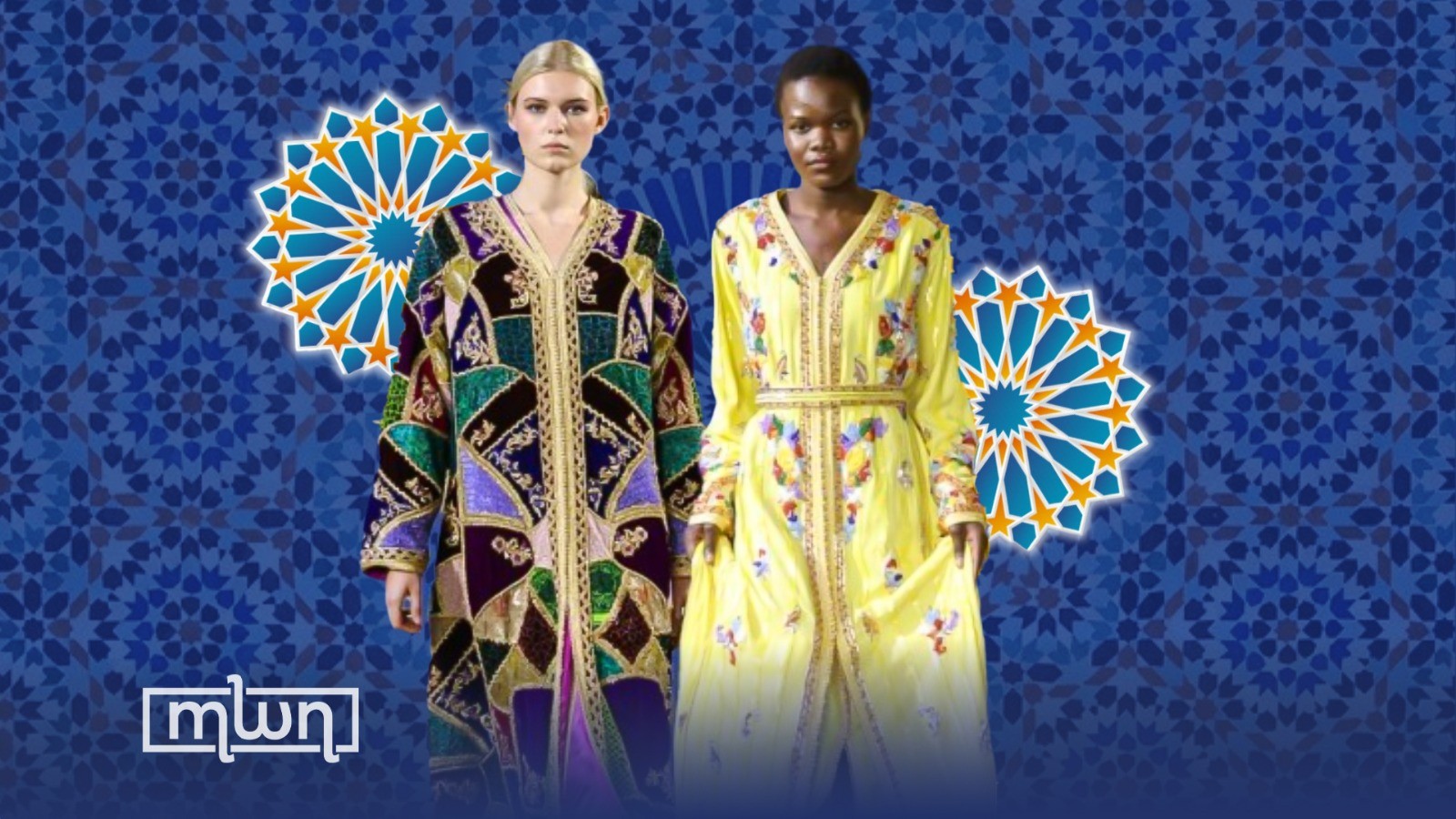
The recent tensions between Morocco and Algeria have reignited disputes over the origins of certain Moroccan cultural elements, including historical figures (Tarik Ibn Ziyad), equestrian performances (Tbourida), dishes and culinary plates (Couscous and Tajine), music and folklore (Gnawa and Malhoun), dress (Kaftan), and architecture (Zellij: a style of mosaic tilework made from individually hand-chiselled tile pieces).
This tension has intensified since President Tebboune took office, with diplomatic friction rapidly escalating into cultural warfare, as evidenced by recurrent attempts by Algerian officials and media to appropriate Moroccan cultural heritage.
The escalation of tensions between Morocco and Algeria is evident in Algerian media and social networks, where clashes between users over the origins of Moroccan cultural elements have been ongoing for several months. It is difficult to determine the exact reasons that drive Algeria to claim Morocco’s cultural heritage as their own without any historical or cultural evidence. Such actions may be motivated by a desire to assert political dominance or to undermine the cultural identity of the Kingdom.
The motivation behind Algeria’s appropriation of Moroccan cultural heritage is multifaceted and could be attributed to several factors. In this vein, we believe that Algeria’s engagement in acquiring various aspects of Moroccan culture stems from a lack of distinct identity, a deficiency in creative and imaginative capacities, and the cultivation of a climate marked by political tensions. The intersection of historical colonial legacies, the complexities of cultural appropriation, and the quest for self-identity creates a complex situation that defines Algeria’s challenging quest towards cultural reclamation amidst a tumultuous identity debate.
Identity Deficiency
Instances of a deficient sense of identity or a disconnection from one’s cultural roots may occasionally drive countries to appropriate elements of other cultures, striving to establish a semblance of affiliation. Such occurrences manifest when individuals experience estrangement from their own cultural heritage or doubt their own cultural origins. In such circumstances, Algeria resorts to assimilating components of Moroccan cultural heritage, often without a comprehensive understanding of the intricate connotations and significance attached to these elements.
Algeria’s historical trajectory, characterized by successive foreign incursions, has contributed to a complex relationship with cultural identity. Notably, its history is punctuated by a series of invasions and subjugations by various foreign powers, including the Phoenicians, Romans, Vandals, Byzantines, Portuguese, Spanish, Turks, and French. As a result, Algeria has been facing the challenge of identifying a discrete and coherent cultural background. This stands in contrast to the situation in Morocco, a sovereign nation with an established lineage that dates back to the end of the seventh century.
Added to repeated invasion is the qualification stated in 2021 by Emmanuel Macron (French president) that instigated a profound introspection among Algerian political and military leadership, provoking an intense reaction due to its perceived implications for the country’s culture and history. Macron overtly asserted that “the Algerian nation was nonexistent prior to the advent of French colonization in 1830.” However, this declaration was interpreted by Algeria as an affront to their national sovereignty and a calculated act to expunge their historical legacy, of which culture constitutes a fundamental constituent. The profound perturbation evoked by this declaration explains the underlying reason behind Algeria’s greed to appropriate Moroccan cultural heritage in an attempt to fabricate a culture at the expense of the Moroccan one, which has existed for 12 centuries.
Lack of Creativity and Imaginative Capacity
Creativity and imagination are essential for a nation’s cultural growth. They have a significant impact on how individuals think, act, and interact with one another. A lack of creativity and imagination may have a number of ramifications for a nation’s cultural development. In the Algerian case, a lack of originality and imaginative faculties lead to the appropriation of cultural elements from neighbouring countries, particularly Morocco, driven by a desire to create novelty and innovation.
Successive invasions and colonization have profoundly influenced the creativity and innovation of conquered nations. The process often involves the suppression of local cultures, customs, and ways of life. In the case of Algeria, frequent invasions and occupations led to the loss of traditional knowledge, skills, and practices that are essential for creativity and innovation. Amidst historical periods characterized by the consecutive dominance of colonial powers, the Algerian people faced a profound and complex challenge – that of discerning and forging a distinctive cultural identity. This challenge arose from the prevalence and hegemony of foreign values, norms, and modes of governance, which not only supplanted Algerian traditions over time but also created a pervasive sense of cultural dissonance due to the lack of intrinsic capacities to forge a distinct Algerian culture.
Read Also: Cultural Appropriation: After Zellije, Algeria Sets Sights on Morocco’s Caftan Heritage
In Algeria, the appropriation of Moroccan Cultural heritage is administered by institutions and individuals, driven by the country’s policy, to procure cultural items from Moroccan heritage in order to reinforce their identity. This compels the state to appropriate Moroccan cultural elements in history, architecture, dress, music, and cuisine. However, this inclination towards the appropriation of Moroccan cultural items often diverges from the constructive realms of meaningful cultural exchange or appreciation, manifesting instead as the acquisition of cultural elements from Morocco without due authorization or profound understanding.
In response to these deficiencies, Algeria undertook on a concerted effort, employing its media and institutional apparatus, to fervently appropriate a range of Moroccan cultural elements. This endeavor aimed to compensate for the void left by colonial erasure and to create a semblance of cultural authenticity. The adoption of Moroccan cultural artifacts, while ostensibly an attempt to fill the vacuum, also raises intriguing questions about the malleability of the Algerian cultural identity driven by a lack of imagination and creativity.
As a result, Algeria’s appropriation of Moroccan cultural heritage due to the lack of creativity and innovation is not going to stop. This can be attributed to the nature of the country as a “rentier state ” that generates a significant portion of its income from oil and gas resources rather than from innovative and productive activities. This reliance on natural resources leads to a lack of investment in many sectors, including those that promote creativity and innovation.
This situation weakens domestic institutions, including education and research systems, reduces the incentive for individuals and businesses to innovate and create new industries, and limits opportunities for people to explore various sectors. More importantly, Algeria is experiencing a “brain drain ” as talented, skilled, and creative individuals who could have otherwise contributed to the country’s advancement and innovation flee the country in pursuit of better opportunities.
Political Encroachment
Politically, leaders may exploit the situation to their advantage, capitalizing on public sentiment to rally support or divert attention from domestic issues. Notably, instances of cultural appropriation can be exacerbated by political tensions, which can be used as a strategy to delegitimize or undermine the cultural heritage of a targeted country. Such dynamics unfold when Algeria attempts to assert its cultural dominance over items belonging to Moroccan culture and repackages them as its own. These actions tend to evoke a surge in nationalism and a deepened sense of unity among the Algerian people. The perceived encroachment upon cultural heritage serves as a rallying point for Algeria’s political agenda, collective identity, and cohesion among its inhabitants behind the military-political system . Simultaneously, these allegations fuel a rise in anti-Moroccan sentiment, casting a shadow over diplomatic relations and fostering negative perceptions of Morocco, a nation accused of “cultural appropriation”. By doing so, Algeria seeks to obliterate the cultural distinctiveness and identity of Morocco, thereby consolidating its own cultural identity.
In an effort to forge deeper connections among Algerians and bolster their sense of affiliation with a nation characterized by a tumultuous history, politicians have focused on constructing a narrative built on the cultural heritage of others. Since the start of the “Hirak” peaceful protests in 2019, the Algerian political and military leadership has shown increasing interest in providing marginal issues, such as border tensions between Morocco and Algeria, to reinforce the internal front that they claim to unite against the “Western enemy” (Morocco). One of the tools used to achieve this is the cultural front. Algeria strives to instill among its people the belief that Morocco is not only a “security threat” but also “steals their cultural heritage.” To achieve this, the Algerian regime launched a process of “diversionary foreign policy” based on the fabrication of exogenous threats. Regimentation and indoctrination means were employed by the system to domesticate, galvanize, and divert the attention of the general public from real-life problems related to food supplies and banking fluidity to culture. Media and public opinion play an instrumental role in shaping the discourse surrounding cultural appropriation allegations. For instance, Algerian media amplifies public sentiment, influences political discourse, and even impacts policy decisions.
Strengthening Heritage Protection
Morocco has a rich and diverse cultural heritage, with deep historical roots and a wide range of practices, representations, expressions, knowledge, and know-how. In order to protect this heritage from appropriation by other countries, particularly Algeria, Morocco must implement a comprehensive strategy for safeguarding and promoting its cultural heritage. This strategy should involve a combination of international cooperation, national awareness-raising efforts, and media promotion of its cultural heritage.
One key element of this strategy is the ratification of all UNESCO conventions relating to heritage, including the Convention for the Safeguarding of Intangible Cultural Heritage. The primary objective of this endeavor is twofold: to enhance the prominence of intangible cultural heritage and to fortify these cultural elements against the perils of appropriation. This allows Morocco to inscribe several of its cultural treasures on the Representative List of Intangible Cultural Heritage of Humanity. In addition to these international efforts, Morocco must take steps at the national level to raise awareness of its cultural heritage among its youth. These events display the richness and diversity of Morocco’s intangible cultural heritage and help to promote it both within the country and abroad.
Cinema, documentary, drama, festivals, and advertising can also play a significant role in protecting cultural heritage by raising awareness and promoting the value of preserving cultural traditions and practices. These means can be used to tell stories that reveal the richness and diversity of the Moroccan culture, highlighting the importance of preserving its heritage for future generations. For example, films or documentaries that feature traditional music, dance, or crafts can provide a platform for artists and artisans to exhibit their work and reach new audiences. Advertising campaigns can also be used to promote cultural tourism, encouraging people to visit heritage sites and support local economies.