 Join on WhatsApp
 Join on Telegram
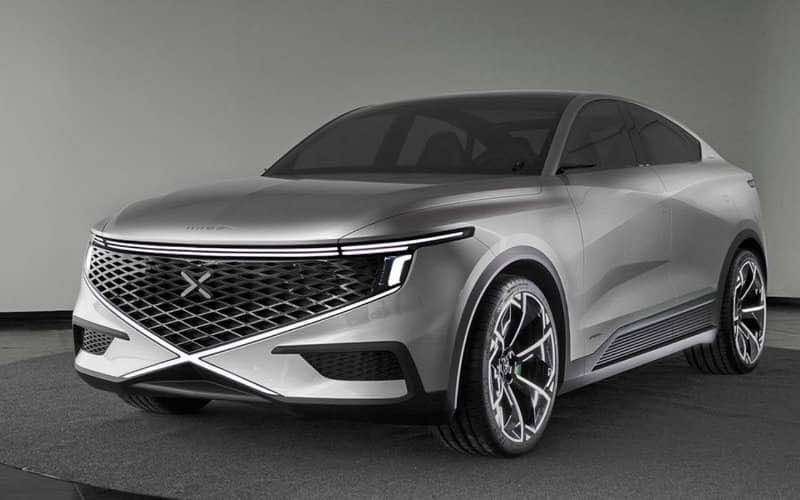
Rabat – The first hydrogen-powered SUV is set to roll off Moroccan production lines in 2027, according to NamX co-founder Foauzi Annajah, a feat that shows how far the Moroccan automotive industry has come, Financial Times said on Thursday.
“Now, it’s very much easier to produce a car in Morocco than it was 10 years ago,” Annajah told FT, highlighting how far the sector has come since he was still at school around a decade ago, when the country produced 60,000 cars a year.
That number reached a record 465,000 last year, putting the North African country neck and neck with Poland, according to data provider CEIC, a data company.
That number is more notable considering the supply chain impacts that the COVID-19 pandemic had on automotive manufacturers.
With this evolution in the sector, NamX is hoping to source up to 60% of its Hydrogen Utility Vehicle (HUV) in Morocco, though the hydrogen canisters it will use for power will still be imported.
This is enabled by the backward integration of the automotive supply chain in the country, as it now hosts more than 250 suppliers in the sector, employing over 200,000 people, FT stated.
“Although the most sophisticated parts of a car — notably the power train — still need to be imported, many other components, including electronics, seats, axles, windscreens and interiors, can be made in Morocco,” the outlet added.
The NamX HUV design incorporates six hydrogen canisters that give the vehicle a range of 800 km, the company said, with Annajah specifying that they will need at least 1 billion euros to be able to bring the car into production.
The company has recruited 100 engineers so far, and already showcased a prototype made by Italian design company Pininfarina, while Annajah is in the process of scouting potential manufacturing sites in Morocco.
Morocco is undertaking more projects, alongside NamX, to assert itself as a regional hub for electric vehicles, such as the signing of an agreement with Chinese-German electric vehicle battery giant Gotion High-Tech for the construction of the first gigafactory in Africa.
FT quoted analysts at advisory group ARC saying that the agreement “suggests that Morocco is solidifying its position as Africa’s largest auto-manufacturing hub and is moving assertively to maintain that position for the next generation of EVs (electric vehicles).”
The idea of a Moroccan-made hydrogen powered vehicle might seem far-fetched due to the lack of hydrogen infrastructure.
Still, the FT concluded that Annajah can “take comfort in a piece of history:” the inventor of the graphite anode, which is essential for electric vehicle batteries, is Moroccan Rachid Yazami.