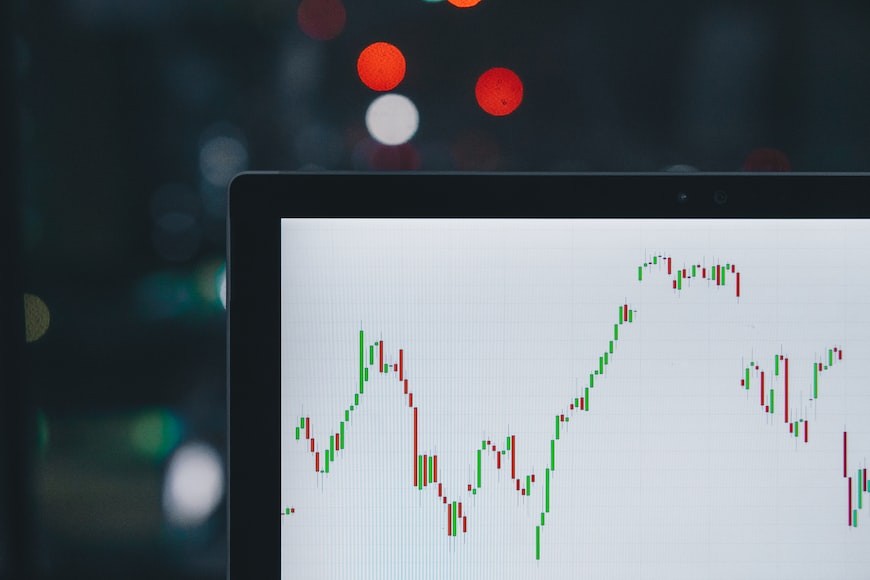
Investing, in simple terms, is all about what’s happening in the economy. Just recently, we have seen a great example of the three big things that affect investments: the state of the economy, government spending, and what the Federal Reserve is up to.
Investing and the economy
Understanding the economy is a crucial aspect of building an investing portfolio.
Think of the economy as the heart of investing; if you understand it, your investments are more likely to grow, with a few caveats, of course.
For example, the US Treasury recently said they would not sell as many long-term bonds as everyone thought, and that they would stop increasing the number they sell earlier than planned. This made investors relax a little because they would not be flooded with more bonds than they expected, which can push down bond prices and drive up their yields.
Yields on bonds had been jumping up a lot since the summer. Part of the reason behind this was that investors wanted more return for the risk of holding bonds for longer, but also because people started to believe the Federal Reserve might keep interest rates high for an extended period.
In the short term, how much extra return investors demand, which is called the “term premium,” is a big deal. It is like a mood meter for investors, and right now, it has been going up a lot, which has also made the stock market a bit jittery.
But over the long haul, the term premium is not the star of the show; interest rates are. Sure, there are times when it makes a big splash, like during the housing bubble when it helped keep mortgage rates down. Yet, over a decade or more, it is really the expected future interest rates that steer bond yields.
On the same day, there was also a report that suggested the manufacturing sector is not doing too hot, which might mean the economy is not as strong as everyone thought. This could take some pressure off the Fed to hike up rates, which in turn could lead to lower bond yields.
The manufacturing report is just one piece of the puzzle, though. It used to be a crystal ball for the economy’s direction, but lately, it has been a bit hazy, thanks to all the ups and downs since the pandemic. Still, it is one of the better tools the economy has, along with keeping an eye on the job market.
Federal Reserve announcements
The last big news was from the Fed itself, who did not shake things up too much with their announcement. The Fed’s boss Jerome Powell played it cool, focusing on inflation easing up rather than how strong the economy seems.
This made investors think that interest rates might not go any higher, so down went the bond yields again.
The Fed’s got a lot of muscle; it can influence yields by its actions. But in the end, it is the economic data that gives everyone the real scoop on where things might be heading.
Now, predicting the economy is super tricky, even the professionals get it wrong a lot. But remember those caveats mentioned above?
Here they are: firstly, the US is nowhere near a debt crisis, but last year’s scare in the UK is a stark reminder of how quickly things can go south if investors lose confidence in a country’s financial plan.
Secondly, the Fed might take its eye off the inflation ball. It is also supposed to look after employment rates, and juggling these two has not been too tough recently. But if the economy starts feeling the pinch from higher interest rates, it’s going to be a tougher balancing act for Powell.
So there you have it. Keep an eye on the economy and you will have a good clue about where your investments might be headed. Just remember, it is not foolproof, and there are always surprises around the corner.
Investing is not just about picking stocks or bonds: it is deeply connected to the economy’s rhythm. By understanding the interplay between government spending, Federal Reserve policies, and economic indicators, you position yourself to make more informed investment decisions.
While the economic forecast is a challenging endeavor, keeping a close watch on these factors can provide valuable insights for your investment strategy. Remember, staying informed and adaptable is key, as the financial landscape is ever-changing.