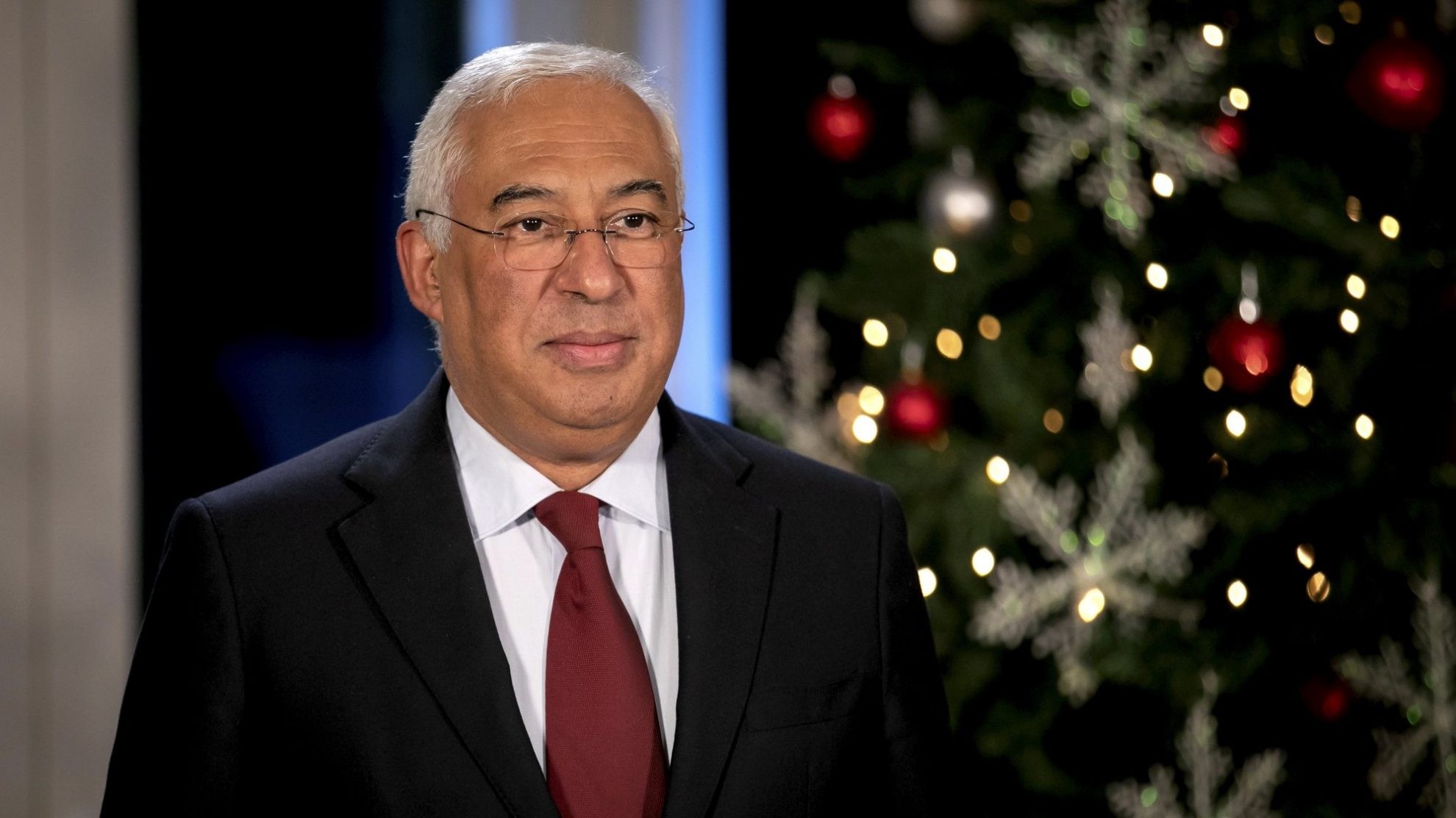
Rabat – Portuguese Prime Minister Antonio Costa has resigned, mere hours after authorities detained his chief of staff as part of a far-reaching investigation into suspected corruption within his government’s management of lithium mining and hydrogen projects in the nation.
The Portuguese head of government defended his innocence and said he totally trusts the justice system. “If there are suspicions, then the judicial authorities are free to look into them…I am not above the law,” he added.
The 62-year-old Costa, who has led Portugal’s Socialist Party since 2015, delivered his resignation in a televised address after conferring with President Marcelo Rebelo de Sousa on Tuesday.
President Marcelo Rebelo de Sousa is expected to accept Costa’s resignation, ushering in a period of significant political upheaval. The opposition has wasted no time in demanding an immediate ousting of the government.
Before Costa’s resignation, Portuguese law enforcement detained Vitor Escaria, the prime minister’s chief of staff, during a series of raids on various public buildings and other properties connected to the corruption probe.
The state prosecutor’s office disclosed that the Portuguese Supreme Court is examining the involvement of the prime minister in the activities being investigated. These activities encompass allegations of misconduct, corruption among elected officials, and undue influence linked to lithium mining concessions situated near Portugal’s northern border with Spain.
Also under investigation are plans for a green hydrogen plant and a data center in Sines, a town some 100 kilometers south of Lisbon.
In a subsequent development, arrest warrants were issued for the mayor of Sines and two executives from Start Campus, the company responsible for constructing the hydrogen production facility and data center.
As Portugal grapples with this unprecedented crisis, the outcomes of these investigations will hold substantial implications for the country’s political landscape, its aspirations for an environmentally friendly and sustainable future, and the credibility of its leaders.