

Rabat – Today, the National Human Rights Council (CNDH) commemorated its 20th anniversary of the establishment of the Equity and Reconciliation Commission as a significant milestone in the pursuit of justice, fairness, and structured reforms.
Starting today, this year-long celebration acknowledges not just the landmark of ‘Truth, Justice, and Reconciliation,’ selected as this year’s theme, but also the course of reforms and societal changes that society has effectively achieved, stemming from this experience.
According to a statement from the council, the year-long celebrations will kick off with an exhibition at the event, featuring photos of the Commission as well as the committee tasked with monitoring the implementation of its recommendations.
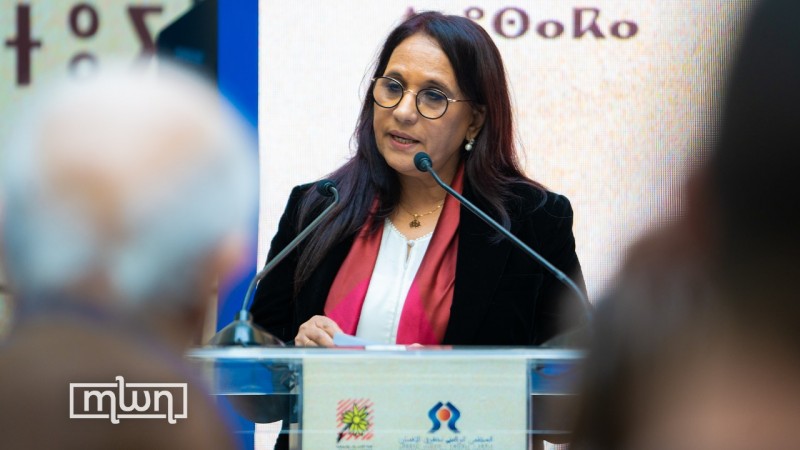
Amina Bouayach, President of national human rights council
In marking this “memorable milestone,” the CNDH aims to spotlight the uniqueness of this experience and its impact on solidifying democracy and the rule of law in Morocco.” The commemoration also underscores the kingdom’s ongoing and unwavering commitment to human rights.
The celebration encompasses a rich and diverse program that spans throughout 2024. The CNDH plans on providing historical reports, publications, and documentaries through interactive media, as well as hosting artistic, cultural, and academic events.
The event started with a documentary video displaying the major milestones and achievements of the commission. Established in January 2004 by a royal decree, the council’s purpose has been to reconcile victims of human rights abuses, such as torture, forced disappearances, and arbitrary arrests.
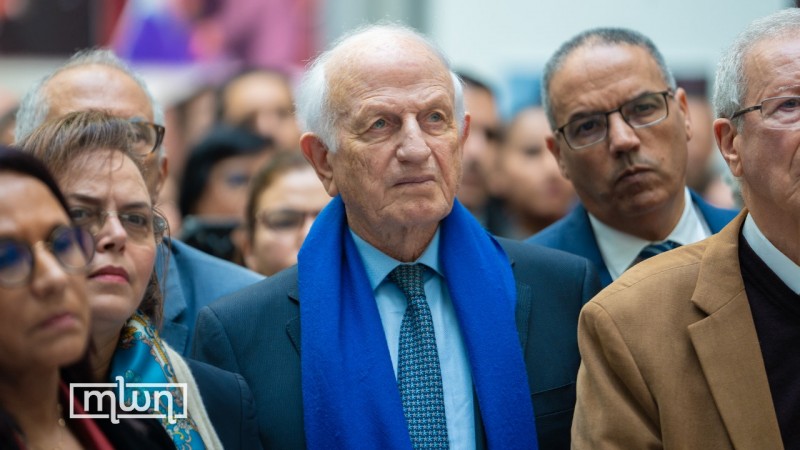
Andre Azoulay, Advisor to King Mohammed VI
Amina Bouyach, president of the CNDH, expressed on this occasion that the Equity and Reconciliation Commission is “a crucial landmark in our contemporary history” and “an exemplary, unique, and pioneering experience in its contexts, approaches, components, and implications, as well as in the impact it has left.”
Bouyach remarked in her opening speech that the Commission has gone beyond just addressing issues. It has “sowed the seeds for continuous transformation, influencing the Moroccan political landscape, enhancing collective memory, and laying the groundwork for significant and deep democratic change.”
She further went on to discuss the ever changing world of human rights.”As we mark the 20th anniversary, it’s crucial to affirm that we have severed connections with our historical practices in managing human rights. Presently, a new administrative structure comprising of specialized institutions has taken charge, reshaping the landscape of human rights management.”
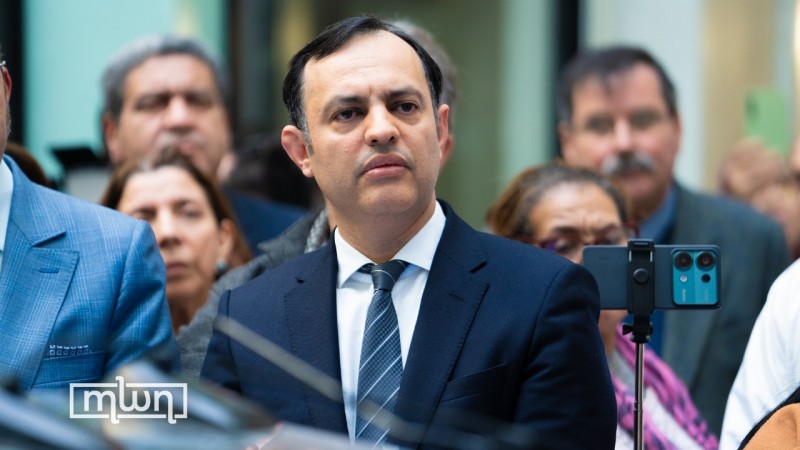
CNDH 20th Anniversary
Mohamed Dkhissi, the Central Director of the Judicial Police, also delivered a speech, in which she addressed the collaborative efforts between the judicial police and the Equity and Reconciliation Commission in advancing human rights empowerment in Morocco and putting an end to its violations.
“The directive,” he said, “aims to put the central and regional archives at the National Council’s disposal, along with the associated technical and scientific expertise that has proven instrumental in handling diverse cases.”
The 20th anniversary event not only celebrated achievements but also established a foundation for ongoing collaboration, underscoring the ongoing commitment to prioritize justice and reconciliation in the human rights agenda.
The commemoration recalled the vital role the Equity and Reconciliation Commission has served since its establishment, as a testament to the strides taken in addressing historical injustices and advancing human rights in Morocco.