 Join on WhatsApp
 Join on Telegram
In an escalation of hostilities, Pakistan has reportedly conducted a series of missile strikes on Iranian territory, further exacerbating tensions in a highly volatile region. The situation unfolded after a back-and-forth of military actions on both sides, raising concerns about the potential for a broader conflict.
The recent turn of events began when Iran launched a series of missile and drone strikes across the region in response to a suicide bombing by the militant group ISIS-K that claimed the lives of 85 Iranians in Kerman on January 4.
Iran’s retaliations targeted locations in Syria, Iraqi Kurdistan, and Pakistan, with a particular focus on the Sunni militant group Jaish al-Adl, which Tehran accuses of orchestrating attacks on its security forces.
Pakistan, however, vehemently condemned the Iranian strikes on its territory, describing them as “illegal and unacceptable.” The government in Islamabad reacted furiously to reports that Iran had conducted unprecedented missile and drone attacks in Balochistan, allegedly targeting bases of Jaish al-Adl.
According to Iranian state media, the strikes in Balochistan resulted in the destruction of two strongholds of Jaish al-Adl. The group, which seeks an independent Balochistan, had previously claimed responsibility for attacks on Iranian security forces, further contributing to the already strained relations between Iran and Pakistan.
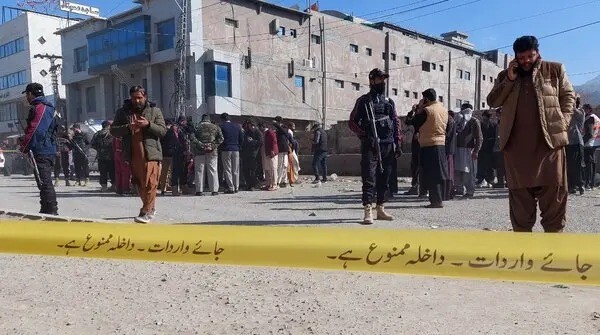
Reports from Pakistan’s intelligence indicated that the Iranian strikes resulted in casualties, including the tragic deaths of two children—a 6-year-old girl and an 11-month-old boy. The strikes, carried out with three or four explosive drones fired from the Iranian side, targeted a mosque and other buildings, including a house, according to Pakistani sources.
An uncertain path to a much-needed de-escalation
The Pakistani response to Iran’s strikes has been swift and firm, according to the same Pakistani sources. Islamabad recalled the Iranian ambassador and its own envoy from Tehran. Pakistan suspended all high-level diplomatic visits to Iran, marking a significant deterioration in diplomatic relations between the two neighboring countries.
China, a close ally of both Pakistan and Iran, expressed concern over the escalating situation and urged restraint. The international community, including the United States and India, condemned the Iranian strikes on Pakistan.
“We have seen Iran violate the sovereign borders of three of its neighbors in just the past couple of days,” US State Department Matthew Miller said during a recent news briefing, referring to recent Iranian strikes in Syria and Iraq.
Analysts are skeptical about the potential for a quick resolution to the crisis, emphasizing the need for diplomatic efforts to prevent further destabilization in the region. The unpredictability of the situation and the complex web of geopolitical dynamics make the path to de-escalation uncertain, leaving many concerned about the potential for a broader conflict involving major players in the Middle East.
As the international community closely monitors the evolving situation, diplomatic efforts will be crucial to prevent further escalation and find a peaceful resolution to the growing tensions between Pakistan and Iran.