
 Join on WhatsApp
 Join on Telegram
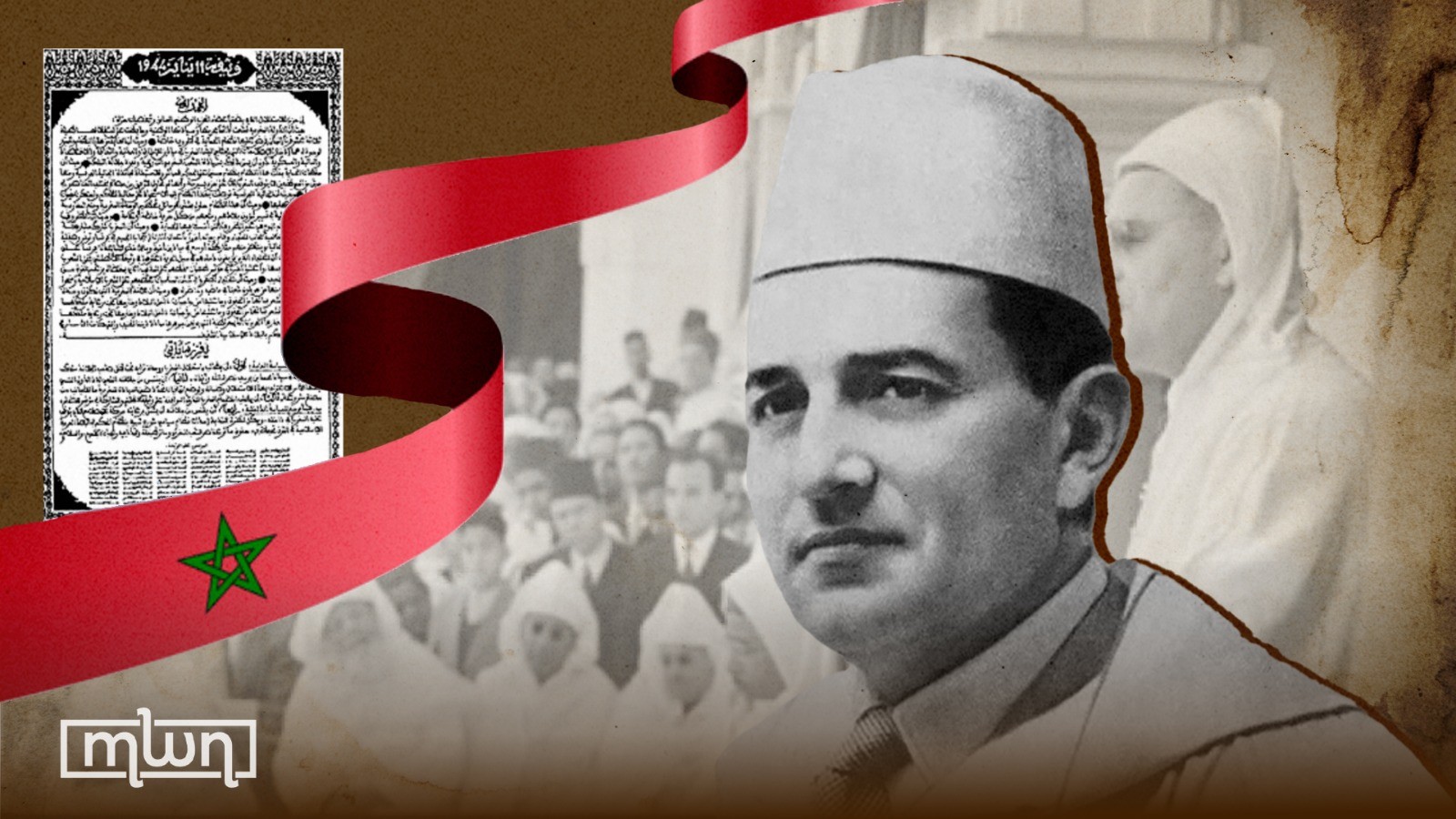
Rabat – Today, Moroccans commemorate the 80th anniversary of the Independence Manifesto, a key moment in the country’s history that laid the groundwork for its liberation from French and Spanish colonial rule.
Also known as the Proclamation of January 11, the manifesto emerged against the backdrop of World War II, with Allied forces landing in Morocco in 1942. At the time, the county was a French protectorate since the 1912 Treaty of Fes.
The reclamation of control by Free France from a collaborationist colonial administration offered a favorable environment for Moroccan nationalists.
In 1944, Moroccan nationalist leaders, including Ahmed El Hamiani Khatat and Ahmed Bahnini, came together to draft the Independence Manifesto.
Despite the risks, 66 Moroccans publicly signed the proclamation, demanding an end to colonialism and the restoration of Morocco’s independence.
The manifesto’s signatories, representing a broad spectrum of Moroccan society, allied with Sultan Mohammad V.
Among them were resistance members, symbols of a free Morocco, and future key figures in the country’s development.
Read also: Independence Manifesto Day: King Mohammed VI Pardons 1,381 People
This event marked the formation of a united political movement advocating for independence, contributing significantly to Morocco’s journey towards self-determination.
This visionary document articulated the collective yearning for freedom, self-determination, and the end of colonial dominance.
The manifesto was an assertion of Morocco’s identity and unity, as well as a call for an independent country with full sovereignty.
It also highlighted the importance of unity among the diverse Moroccan population, emphasizing the shared cultural heritage that transcended regional differences.
The document not only ignited the nationalist movement but also resonated with Moroccans across social and economic categories.
The context of the manifesto’s proclamation was significant. The geopolitical landscape, marked by the upheavals of World War II, created an environment conducive to demands for decolonization.
The Moroccan nationalist movement gained momentum, as it found inspiration in the global push for self-determination and independence.
The repercussions of the Independence Manifesto were profound. It paved the way for Morocco’s eventual liberation, eventually leading to the return of the late Sultan Mohammed V from exile in 1955 and the subsequent negotiations that led to the end of the French and Spanish protectorates.
Morocco today commemorates this historic day, which not only celebrates the document that symbolized Moroccans’ quest for independence but also acknowledges the resilience and courage of those who dared to dream of a sovereign, free Morocco.