Rabat – Germany and Morocco have much to gain from a closer partnership on renewables, according to the head of the General Confederation of Moroccan Enterprises’s (CGEM) business council. Badr Ikken, who serves as president for the CGEM business council, told Moroccan state media that on renewables, Morocco is becoming a “privileged partner” of Berlin.
Speaking at an event on Small and Midsize Enterprises (SMEs), Ikken highlighted that small and medium-sized businesses need affordable renewable energy, for which Morocco has “enormous opportunities and significant assets.”
Ikken highlighted Morocco’s new initiative, the “Moroccan offer,” which focuses on hydrogen and renewable energy as a driver of GDP growth and job creation in the North African kingdom. The recently released energy strategy promises to boost GDP by 5% and create 400,000 new jobs, according to recent statements by top government officials.
The CGEM business council president described the initiative as a “clear and transparent” platform to develop renewable energy projects and garner the necessary investment for ambitious projects.
“Germany, as the leading economic power in Europe, needs partners, and the Kingdom, which offers great potential for cooperation, can meet Germany’s energy needs…notably with the use of clean electricity or green hydrogen,” Ikken told Morocco’s national press agency.
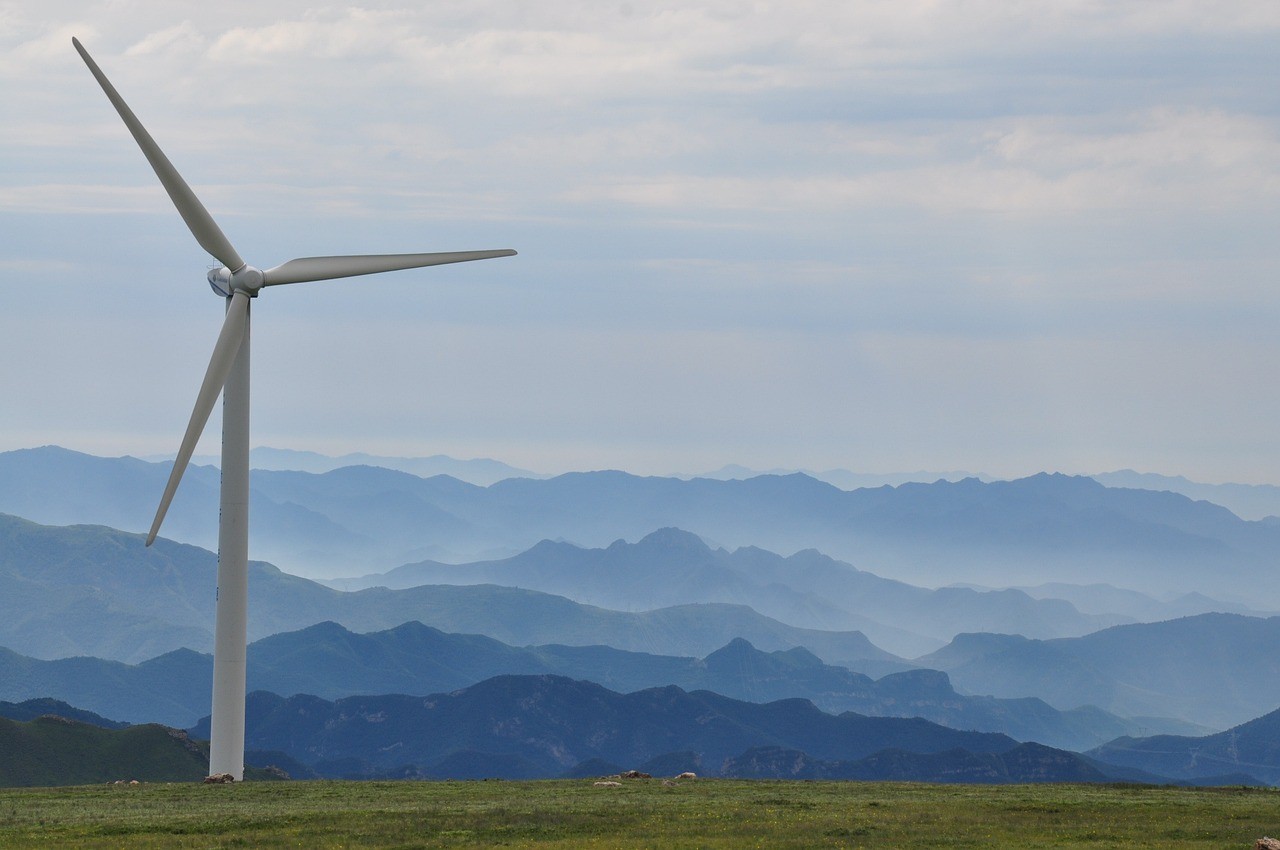
Morocco has far-reaching potential to develop its renewable energy sector, given the country’s assets in terms of wind and solar energy generation. The country is already host to the world’s largest photovoltaic (solar) plant, and aims to rapidly decarbonize its energy mix.
Some of Morocco’s largest companies, including fertilizer giant OCP Group, have shown a strong dedication to ensure their production processes use renewable sources of water and energy.
Part of Morocco’s ambition to decarbonize depends on the transition to fuel hydrogen, which allows for the storage of renewable-generated energy. This remains one of the greatest challenges for using wind and solar energy to power national electricity grids and industry in a reliable manner.
Meanwhile, European countries, and the EU itself, is eager to invest in renewable energy in African countries. Funding local green energy projects is seen as a way to reduce Europe’s vast impact on climate change, as well as a means to counter China’s growing influence in Africa after years of support on African infrastructure and extraction projects.