 Join on WhatsApp
 Join on Telegram
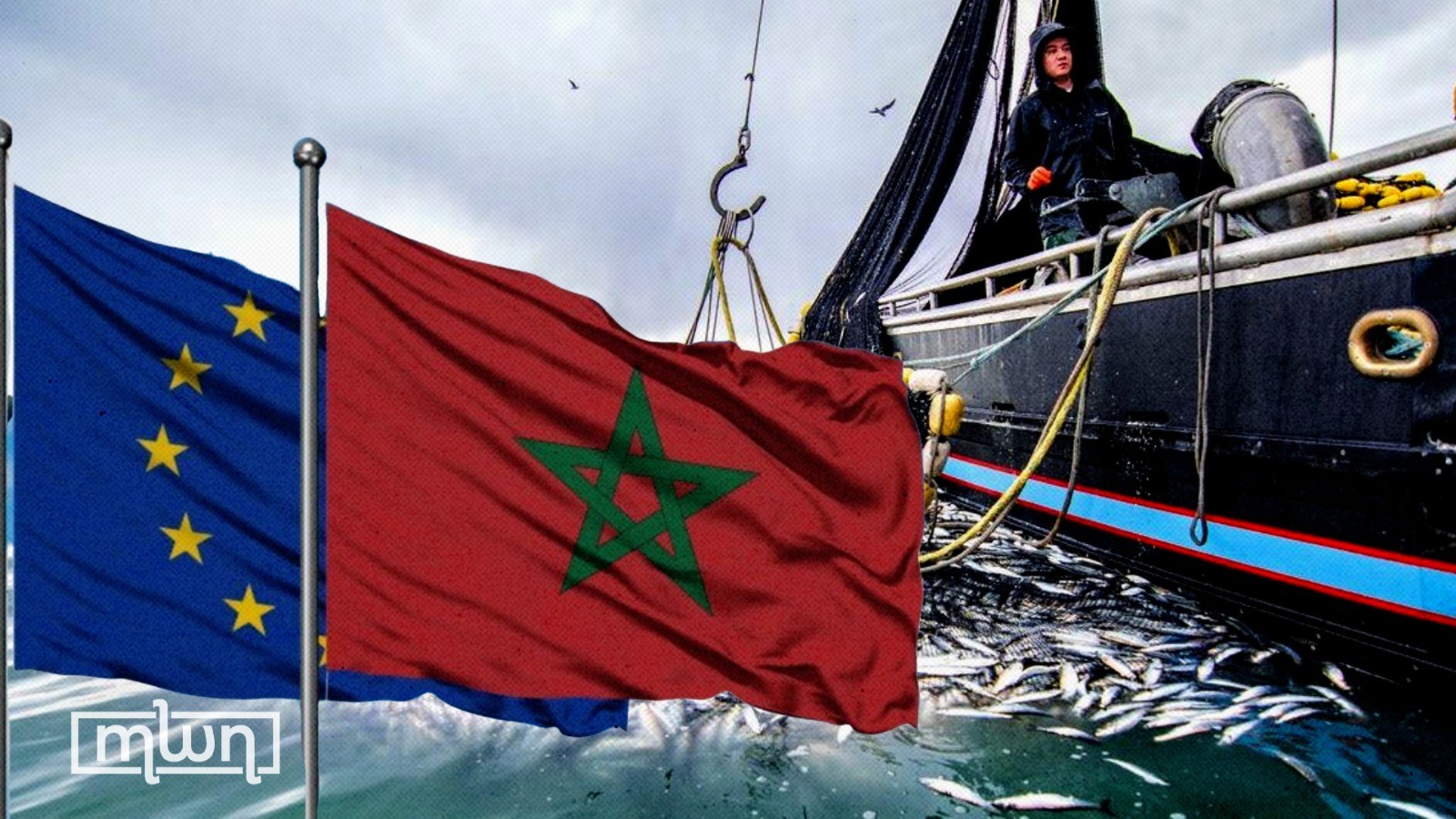
While Polisario and its supporters celebrate the recommendation made by a legal adviser to the EU top court on the EU-Morocco fisheries agreement, the legal advice is merely a suggestion and not a final judgment nor a court ruling.
The hasty celebration is premature as the announcement represents a viewpoint and is subject to further consideration by the court
In 2021, the European Court of Justice ruled against the EU-Morocco agreement. The verdict ostensibly “annuls” the agreement, although it conceded that little will change in practice.
A few years after the ruling, the Advocate General of the European Court of Justice upheld the decision of the Court of First Instance and recommended the annulment of the fisheries agreement with Morocco.
The pro-Polisario ruling, which came from advocate general Tamara Capeta, alleged that the agreement with Morocco did not “fulfill the requirement to treat the territory of Western Sahara as a “separate and distinct” from that of Morocco.
It also recommends maintaining the agricultural agreement, but insists that products from Western Sahara must be labeled as originating from a “distinct territory.”
The advisor’s ruling, therefore, shows another yet hostile maneuver from a European body, interfering in Morocco’s territorial integrity and sovereignty over its southern provinces in Western Sahara.
Interestingly, the recommendation suggested produce from Western Sahara should be labeled as originating from a distinct area despite the ongoing UN-led political process seeking to find a mutually acceptable political solution to the dispute.
The UN-led political process also identifies Morocco’s autonomy plan as a credible and serious basis to end the dispute over Western Sahara.
Practically speaking, the recommendation brings no immediate change on the ground as the deal had already been suspended since it expired on July 17 of last year.
Upon expiration, Morocco responded to questions about the future of the fisheries agreement, noting that Brussels and Rabat will determine its fate through comprehensive assessments, considering key parameters, including the preservation of national resources.
The parameters include a “doctrinal nature,” Foreign Affairs Minister Nasser Bourira said last year, not referencing the need to make sure that the future deal aligns with Morocco’s foreign policy.
He emphasized Morocco aims to prioritize partnerships that provide a clearer added value. Bourita added that Morocco will take into consideration the deal’s impact on the country’s vision for the sector’s development.
Rushed celebration
While the recommendation may appear hostile to Morocco, it also represents a new setback for the Polisario Front.
By emphasizing that the people of the Western Sahara “lack of official representative,” the opinion challenges the separatist group’s claims of being the legitimate representative of Sahrawis.
The notice further explained that the Polisario Front has never been elected by the population and therefore it is impossible to “determine with certainty if the Polisario enjoys the support of the majority.”
She said that the separatist group has never been granted any status of being a national liberation movement by either the UN, the EU or their member states.
“Front Polisario was never bestowed with the label of ‘people’s liberation movement’ by the UN or by the European Union and its Member State,” paragraph 78 of the text adds, noting that they have no recognized representative.
“With no elected or collectively recognised representative, how can those people defend their collective right to self-determination before the EU Courts?”
The EU court legal adviser has further emphasized the EU’s right to conclude agreements with Morocco covering the country’s southern provinces.
She also reiterated Morocco’s legitimacy as the only authorized authority to conclude agreements with the EU covering the southern provinces, emphasizing the absence of Polisario’s legitimacy or capacity to conclude agreements.
In the opinion, the legal adviser also recalled the growing support that Morocco has gained through its Autonomy Plan presented by the country to the Security Council in 2007 as part of its efforts seeking to find an agreed upon and mutually acceptable political solution to end the dispute over Western Sahara.
“Scholarship suggests that, since 2018, support for the 2007 autonomy plan by the Kingdom of Morocco appears to be growing,” paragraph 36 of the opinion said, recalling the change in UN Security Council’s resolutions language.
In paragraph 37 of the recommendation, Capeta said that since 2018, the text of the UN Security Council’s resolutions on Western Sahara “stresses the need to ‘achieve a realistic, practicable, enduring and mutually acceptable political solution to the Western Sahara question based on compromise.”
The Partnership Agreement between the EU and Morocco has been instrumental in promoting sustainable fisheries practices and fostering cooperation between the two parties.
In addition to Spain, several members of the European Parliament have supported the EU-Morocco agreements. They have emphasized their role as a tool to promote strategic relations between the two countries.
Read Also: Spain Calls for Renewal of EU-Morocco Fisheries Agreement
Luis Planas, Spain’s Minister of Agriculture expressed his support for the renewal of the deal last year, stressing the need to continue working on research and technical aspects to facilitate swift progress towards the conclusion of the new protocol.
Spanish fleet currency used to hold 92 out of the 138 licenses that operate in the area, specifically those from Andalusia, Galicia, and the Canary Islands.