
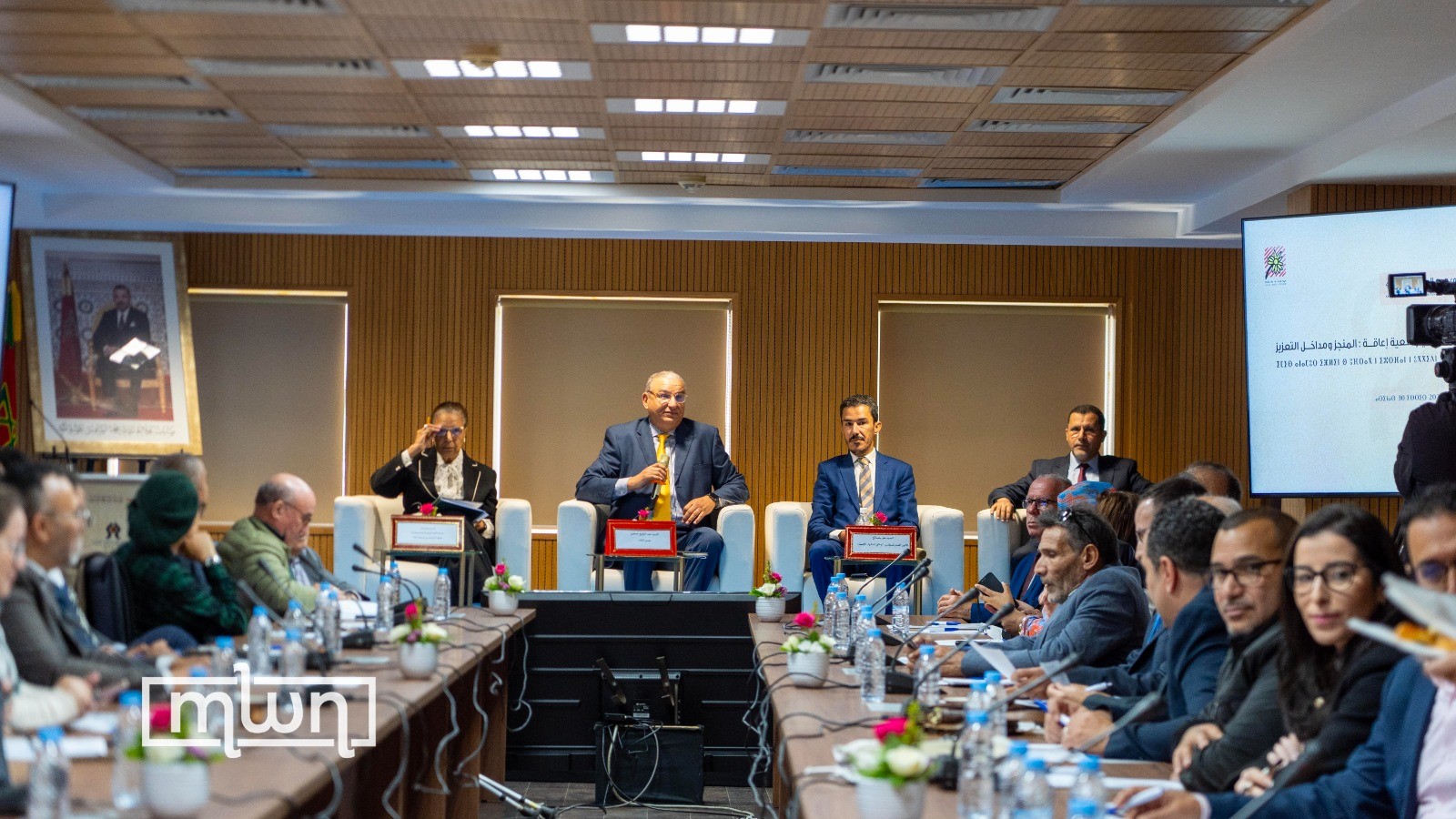
Rabat – The Moroccan Human Rights Council (CNDH) organized a dialogue session at its headquarters in Rabat today focusing on the protection of individuals with disabilities.
The event, titled “The National Mechanism for Protecting the Rights of Persons with Disabilities: Achievements and Enhancement Approaches,” aimed to assess the accomplishments of the initiative and explore avenues for further improvement.
Speaking to Morocco World News (MWN), CNDH General Secretary Mounir Bensalah highlighted the importance of the event, saying “it provides an opportunity to review the work accomplished by the national mechanism over the past four years of its mandate.”
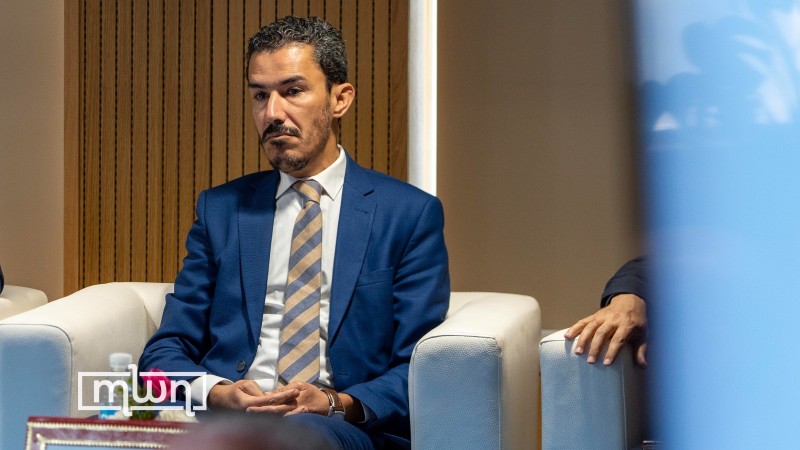
He added to MWN, “this includes an examination of complaints, individual cases, and a thorough review of reports incorporated into the general report of the National Human Rights Council.”
The meeting brought together various stakeholders, institutional actors, and representatives from the civil society to discuss issues related to the rights of people with disabilities.
Zhour El Horr, a member of the CNDH and coordinator of the mechanism for individuals with disabilities, told MWN that the meeting comes within the framework of “enhancing and exchanging experiences and enriching the discussion on issues concerning people with disabilities.”

Elaborating on the progress made in addressing the rights of individuals with disabilities, El Horr added that “this category was once marginalized, but thankfully, there are now international and national laws, as well as the constitution of the kingdom, that prohibit all forms of discrimination based on disability.”
She stressed that today’s meeting is an opportunity for “enriching the discussion, exchanging experiences, and also promoting the improvement of these conditions, as well as establishing and enhancing means of protecting them from any violations or breaches of their rights.”
The event concluded with a visit to an exhibition commemorating the 20th anniversary of the establishment of the Authority for Truth and Reconciliation.

In a press release, CNDH said that the event aligns with the council’s vision to monitor the effectiveness of rights and enhance protective measures. For the council, this strategy is key for addressing challenges related to access to the civil, political, economic, social, and cultural rights of persons with disabilities, in accordance with relevant international human rights treaties.
The statement highlighted Morocco’s commitment to upholding the rights of individuals with disabilities. It noted that the country is one of the early signatories of the UN Convention on the Rights of Persons with Disabilities and its Optional Protocol.
“Morocco was among the first countries to have signed the Convention on March 30, 2009, which proves its commitment to the promotion and protection of the rights of persons with disabilities,” CNDH said on its website.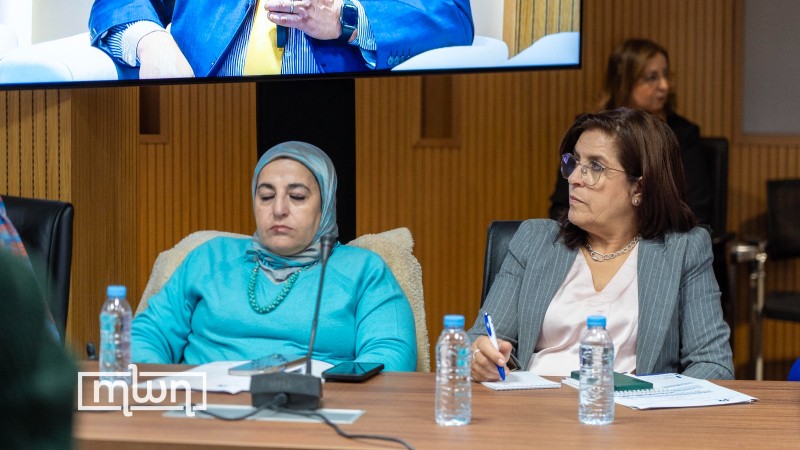
Adopted in December 2006, the Optional Protocol to the UN Convention on the Rights of Persons with Disabilities establishes procedures for individuals or groups to submit complaints to the Committee on the Rights of Persons with Disabilities regarding violations of the Convention.
It outlines criteria for the admissibility of complaints, allows for interim measures to prevent further harm, and enables the committee to conduct inquiries into systematic violations by state parties, according to the UN human rights office (UNCHR).
The protocol also allows for reservations, amendments, and denunciations, as well as emphasizes the importance of accessibility and equal authenticity of texts in multiple languages, added UNCHR.