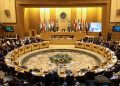
Rabat – The Regional Ministerial Conference of North Africa commenced on Thursday in Rabat, centered on the theme “Pan-Africanism and Migration” and co-chaired by the Kingdom of Morocco and the Togolese Republic.
Led by Nasser Bourita, Moroccan Minister of Foreign Affair alongside Robert Dussey, Minister of Foreign Affairs of Togo, the virtual conference marks a significant milestone in the run-up to the 9th Pan-African Congress scheduled for October 29 to November 2 in Togo’s capital of Lomé.
As mentioned by MAP, the conference serves as a crucial platform for dialogue on the intricate relationship between pan-Africanism and migration, particularly within the North African context, with the aim of formulating recommendations for the forthcoming congress in Lomé.
Diverse themes surrounding migration and contemporary pan-Africanism, facilitated through South-South cooperation, are being explored during the conference, which has drawn participation from several African ministers and high officials.
Morocco’s initiative in organizing this conference amplified its leading role in addressing migration issues, in line with the vision of King Mohammed VI, Leader of the African Union on Migration.
The event also reaffirms Morocco’s dedication to promoting safe and responsible migration practices, both regionally and globally.
Morocco’s commitment to migration policies is exemplified by the adoption and implementation of a national migration policy in 2013, guided by principles of humanism, solidarity, and inclusivity, as directed by Royal Guidelines.
As the driving force behind the Global Compact for Safe, Orderly, and Regular Migration (Marrakech Pact), Morocco has been at the forefront of advocating for African-centric approaches to migration issues.
The African Migration Agenda, presented by Morocco at the African Union Summit in January 2018, stands as a testament to the nation’s proactive stance on shaping a progressive African migration policy.
The Pan-African Congress, rooted in a legacy dating back to 1919, has historically been a platform for addressing colonial legacies, racial discrimination, and advocating for human rights and economic equality across Africa and the Caribbean.
Despite past controversies, such as the exclusion of Arab-African countries from the eighth congress in 2014, these gatherings continue to influence the discourse on pan-Africanism and migration, reflecting the ongoing pursuit of justice and equality throughout the continent.