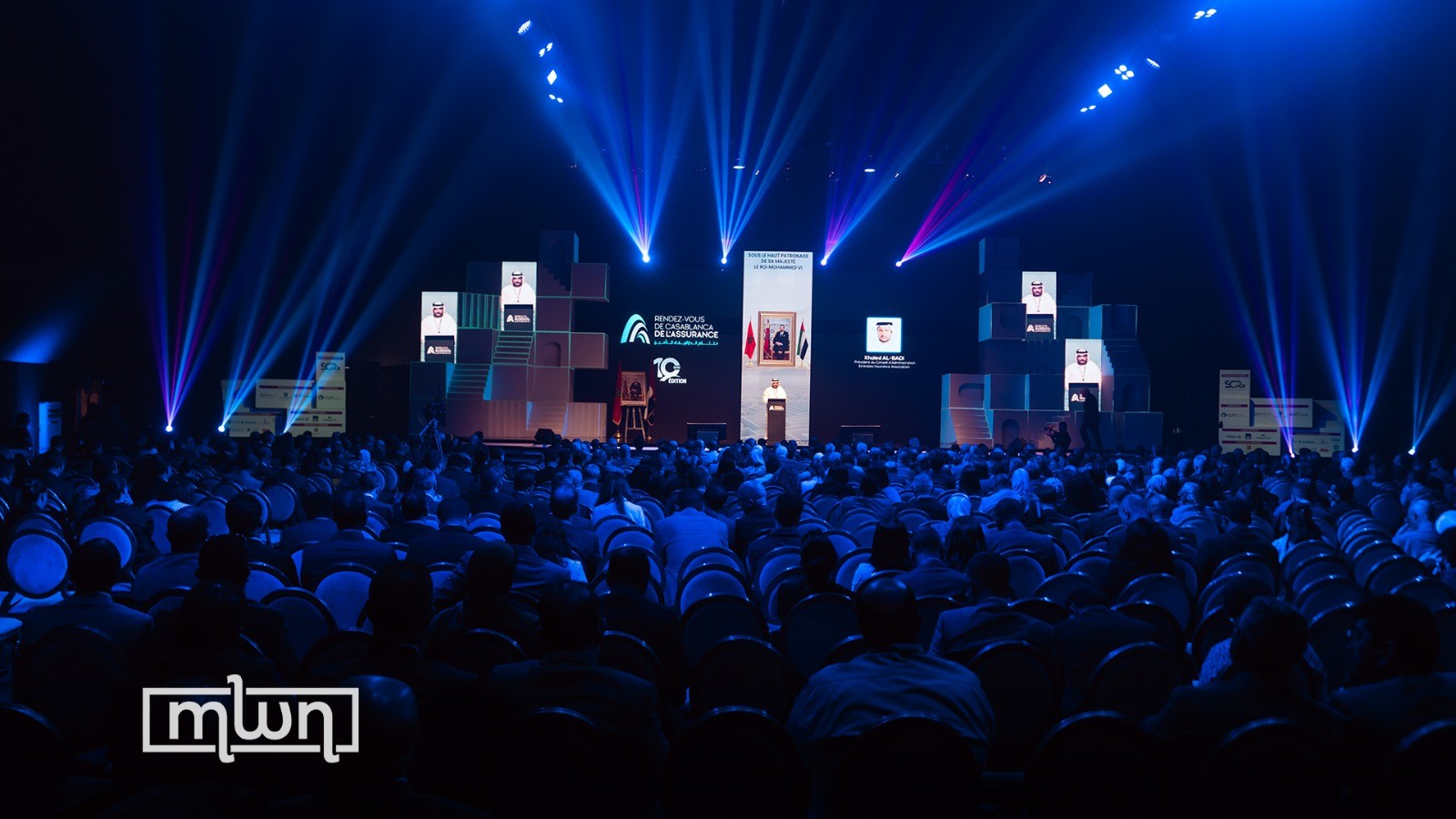
Casablanca – The Hyatt Regency hotel in Casablanca served as the venue for the 10th edition of the Insurance Forum, organized by the Insurance Federation of Morocco (FMA) on April 17 and 18. Leading insurance executives from various countries gathered to discuss pressing issues and explore a wide range of potential solutions to lingering security challenges in the insurance sector.
The forum, a premier event in the insurance industry, attracted attention from both regional and international players. Discussions centered around the importance of collaboration, trust and flexibility among insurance companies to protect policyholders against crises. Key themes covered the imperative of innovation, the lessons from the COVID-19 pandemic, and the pivotal role of insurance in mitigating similar global crises yet to come.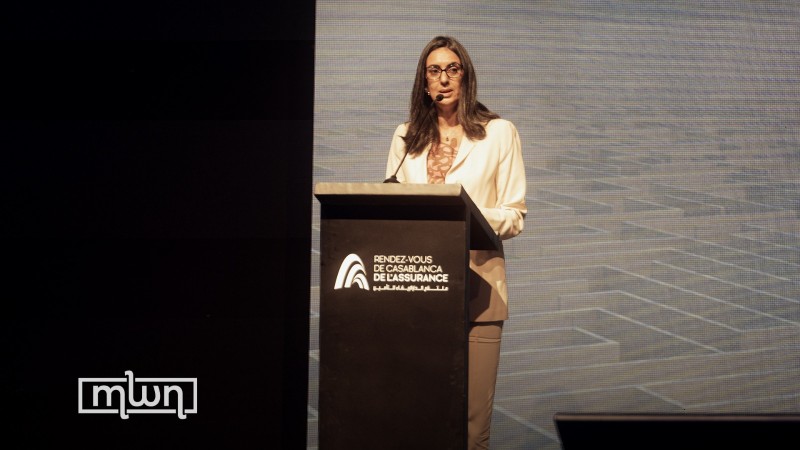
The 10th edition of the Insurance Forum
Participants shared insights into the interrelated risks facing the insurance industry, including economic, environmental and technological factors. Mirenchu Del Valle Schaan, President of UNESPA, the Spanish Association of Insurers, pointed out that the three main risks are intertwined.
Drawing on the COVID-19 pandemic as a case study, she explained how a natural crisis can engender risks in both economic and technological domains, with remote work giving rise to cyber threats while the pandemic inflicts economic downturns. Most panelists and participants underscored the importance of proactive measures to address these risks and the role of insurance in providing financial security and peace of mind to individuals and businesses.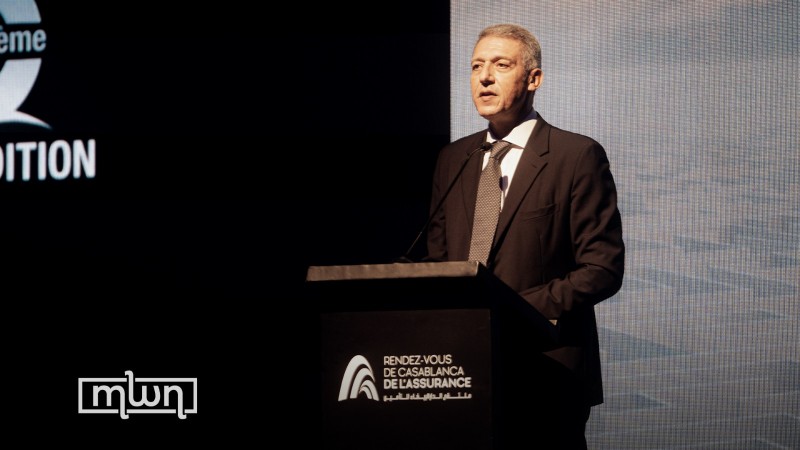
The 10th edition of the Insurance Forum
Collaboration emerged as a recurring theme throughout the forum, with speakers highlighting the significance of partnerships within the insurance sector. Recent agreements aimed at fostering mutual benefits were showcased as examples of Morocco’s commitment to working together for collective progress.
Read also: Africa, South-South at Heart of 6th Annual Casablanca Insurance Meeting
Participants also emphasized the need for collaboration between the government and private sector to ensure comprehensive protection for policyholders and non-policyholders alike.
Reda Aboutajdine, a Financial Sector Economist who represented the World Bank at the event, underscored the collaborative efforts between the Ministry of Interior and the Ministry of Finance in the recovery of al-Houz following last September’s earthquake. Aboutajdine also touched upon the potential development of a new public policy initiative aimed at safeguarding Moroccans from future disaster-related losses. However, he acknowledged the challenges associated with protecting against unpredictable crises.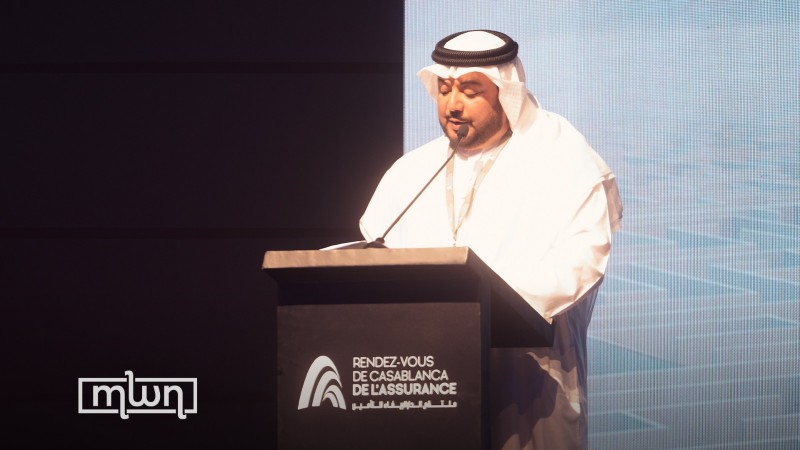
The 10th edition of the Insurance Forum
Financial literacy emerged as one of the key strategies for accident prevention and risk management. Panelists identified promoting healthy lifestyles and incentivizing wellness through insurance policies as effective ways to lower premiums and improve overall well-being. They also highlighted the need to embrace innovative technologies, such as data-sharing systems, describing this as essential for driving efficiency and enhancing customer experiences.
The forum also addressed the challenges posed by climate crises, such as droughts and natural disasters, which have significant implications for the insurance industry. Participants emphasized the need for preventive measures and public policy protection to mitigate the impact of such events on policyholders.
Throughout the discussions, there was a shared recognition of the importance of resilience and adaptability in navigating the evolving landscape of risks facing the insurance industry. Mohamed Hassan BENSALAH, Président – Fédération Marocaine de l’Assurance (FMA) and Khaled Al-Badi, President of the Emirates Insurance Association (EIA) signed an agreement of collaboration.
Overall, the 10th Insurance Forum was a testament to the collective determination of industry leaders to overcome obstacles and secure a prosperous future for the insurance industry and its stakeholders. It concluded with a unified call for collaborative strategies and innovative solutions to address these challenges and ensure a resilient future for all.