
Rabat – The 49th Session of the Academy of the Kingdom of Morocco convened today in Rabat to tackle topics ranging from family dynamics, legal reforms, and cultural preservation, to the impact of digital technology on education.
The event saw the participation of experts and public figures from Morocco, Senegal, Tunisia, Portugal, Germany, and Côte d’Ivoire. They discussed family relationships within various organizational, legal, economic, and political contexts.
In his opening remarks, the academy’s Permanent Secretary Abdeljalil Lahjomri underlined the academy’s mission of fostering international collaboration and youth engagement in academia.
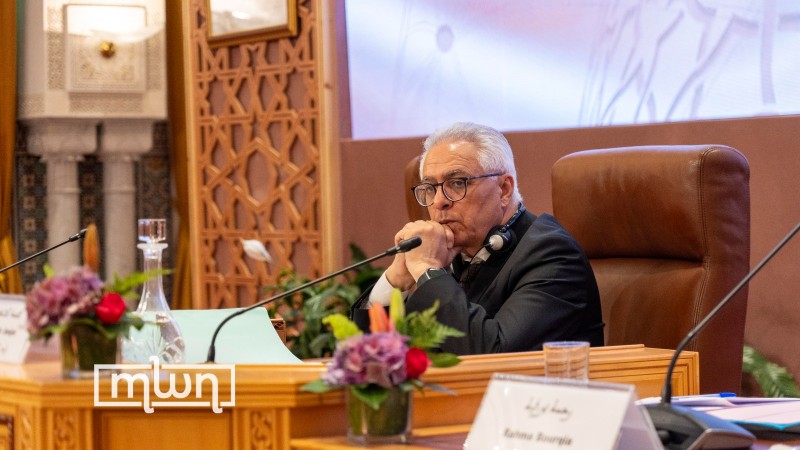
The academy’s Permanent Secretary Abdeljalil Lahjomri
One notable initiative highlighted during the session was the establishment of institutions dedicated to preserving Moroccan heritage, including the preservation of Al Malhoun music and the organization of a piano competition to engage young talents and encourage artistic expression.
In addition, Lahjomri emphasized the Academy’s recent focus on supporting the Ak Haouz region following the devastating earthquake in 2023.
Family and Social Cohesion Challenges
Meanwhile, Angelika Nussberger, a legal expert from Germany, delved into the evolving concept of family and the challenges posed by differing cultural perspectives.
She emphasized the need for legal protections for diverse family structures, citing examples such as LGBTQ+ families and children born through surrogacy.
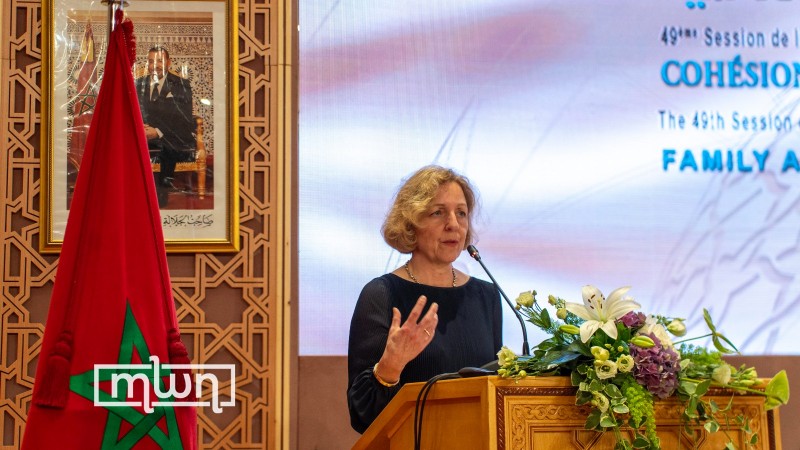
Angelika Nussberger, a legal expert from Germany
Nussberger, who is also a professor of law and scholar of Slavic studies, highlighted the European Convention on Human Rights as a framework for ensuring equality and non-discrimination within family law.
Echoing Nussberger’s remarks, Moroccan sociologist Rahma Bourqia provided insights into the intricate relationship between family dynamics, cultural traditions, and legal frameworks.
She discussed the necessity of adapting family laws to accommodate societal changes, particularly in Islamic societies where traditional interpretations may no longer fully align with modern realities.
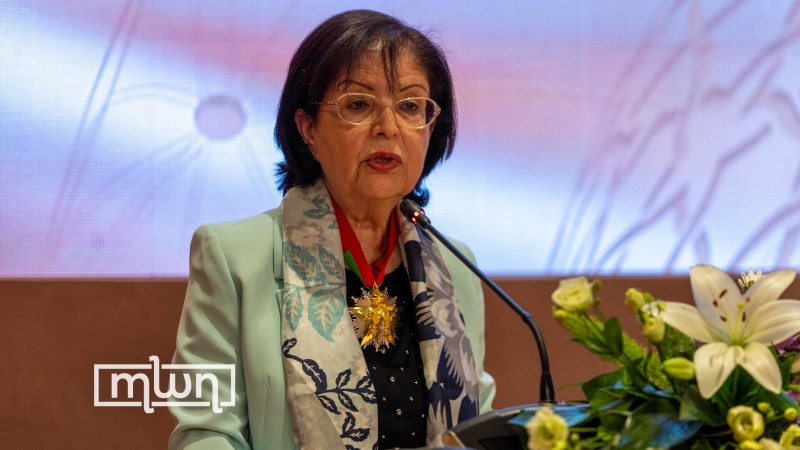
Moroccan sociologist Rahma Bourqia
Bourqia stressed the importance of preserving cultural heritage while simultaneously reinterpreting it to address contemporary challenges.
Meanwhile, Ivorian poet and novelist Tanella Boni offered a critical perspective on the complexities of family relationships and cultural practices, such as polygamy.
She questioned traditional notions of maternity and paternity, as well as emphasized the need for a more nuanced understanding of familial bonds and gender roles.
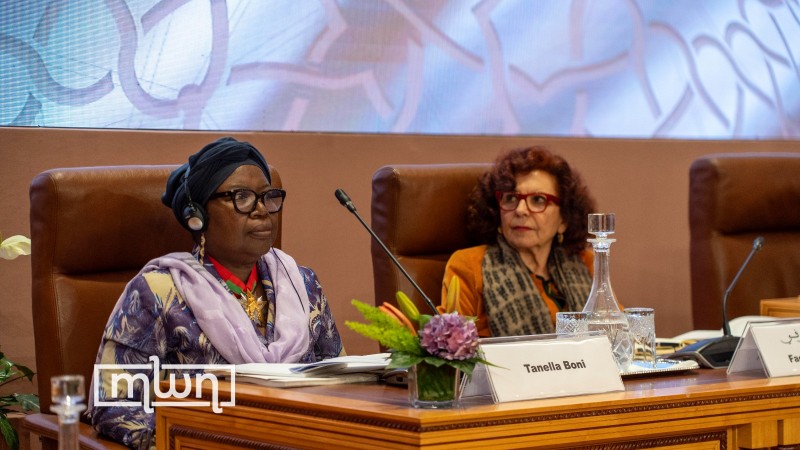
Ivorian poet and novelist Tanella Boni
Boni expressed concerns over the impact of war and social upheaval on family dynamics, calling for greater introspection and dialogue within societies.
Digital Technology in Education
In another panel discussion, former Deputy Prime Minister of Portugal Paulo Portas explored the ethical implications of digital technology, particularly artificial intelligence (AI), in academia and society at large.
He highlighted concerns regarding the integrity of academic research in the age of AI and cautioned against the polarizing effects of social media addiction.
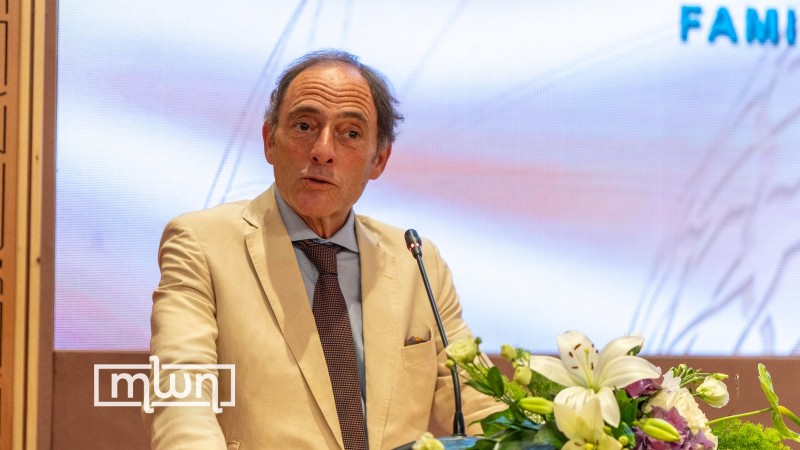
Former Deputy Prime Minister of Portugal Paulo Portas
Portas emphasized the need for responsible use of technology to mitigate its negative impacts on family dynamics and social cohesion.
For her part, Tunisian politician Faouzia Charfi focused on the role of technology in education and its implications for social equity and academic achievement.
She stressed the importance of integrating technology into the classroom while addressing biases in algorithms and safeguarding personal data.
Charfi highlighted the need for comprehensive digital literacy programs to empower students to navigate the digital landscape effectively.
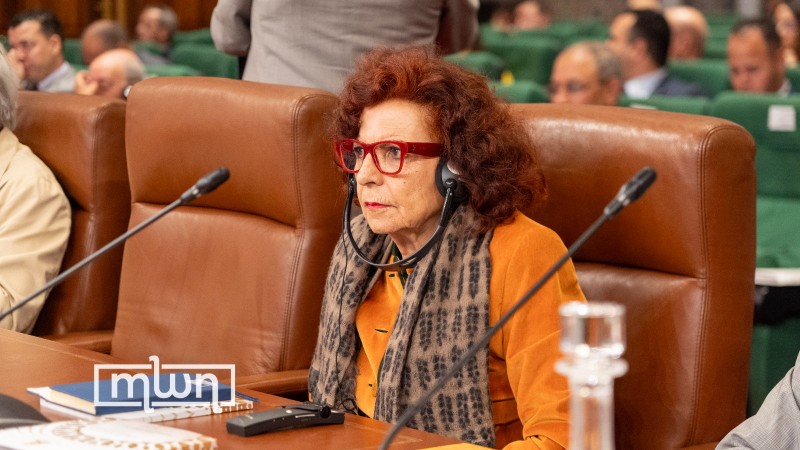
Tunisian politician Faouzia Charfi
Also speaking at the event, Senegalese philosopher Souleymane Bachir Diagne highlighted the significance of parental involvement in education, particularly in supporting girls’ access to schooling.
He emphasized the role of families in guiding students across various disciplines, including the humanities, and promoting academic excellence.
Diagne underlined the importance of equitable access to education as a cornerstone of social progress and empowerment.
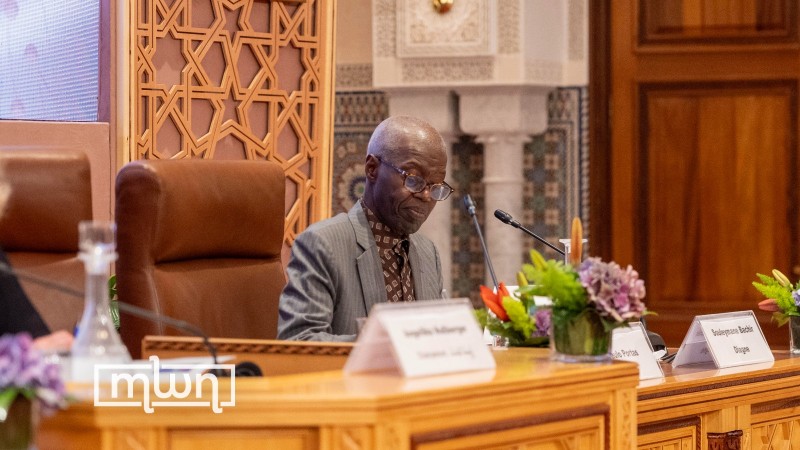
Senegalese philosopher Souleymane Bachir Diagne