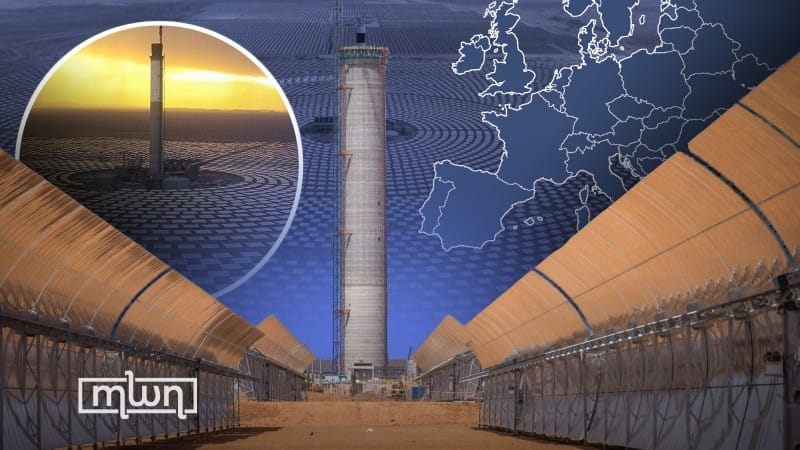
Rabat – The World Economic Forum’s (WEF) report titled “Fostering Effective Energy Transition 2024” places Morocco at the forefront of North African countries transitioning to cleaner energy sources.
The report ranks Morocco 65th globally on the Energy Transition Index (ETI), positioning it as the leader in the Maghreb region.
Morocco’s score reflects its progress on two key fronts: system performance (existing energy infrastructure and its efficiency) and readiness (preparedness for future energy needs).
With a score of 60.5, the country demonstrates a strong existing energy system, likely due to its investments in solar and wind energy projects. The readiness score of 46.5 indicates Morocco’s commitment to long-term sustainability through policy frameworks, research, and human capital development.
This positioning is particularly notable compared to neighboring countries. Tunisia and Algeria rank lower in both system performance and readiness.
The report suggests a correlation between Morocco’s higher ranking and its ambitious renewable energy targets. The country aims to have renewables contribute to over half (52%) of its electricity production by 2030, a goal that ranks second among Arab nations.
Beyond infrastructure, Morocco is investing in human capital. The WEF report highlights the country’s focus on developing a skilled workforce for the clean energy sector. This focus on education and training is seen as crucial for a smooth energy transition and the creation of “clean jobs.”
However, the report also identifies areas for improvement. Morocco needs to continue investing in energy infrastructure and ensure wider access to clean technologies.
Despite these challenges, the report acknowledges Morocco’s potential for a significant leap forward in clean energy adoption.
The document points to a substantial rise in capital investment for clean energy infrastructure, reaching $1.8 trillion by 2023.
To solidify its leadership role, Morocco may benefit from attracting further investments and fostering stronger public-private partnerships. This collaboration could be instrumental in bolstering infrastructure and diversifying the energy mix.
Additionally, focusing on developing local clean energy resources and improving overall energy efficiency are vital for continued progress.
The WEF report suggests that Morocco’s success story can inspire the entire region. By setting ambitious goals and taking concrete actions, Morocco is well on its way to becoming a key player in North Africa’s energy transition.
While challenges remain, the country’s progress provides a valuable example for its neighbors.