 Join on WhatsApp
 Join on Telegram
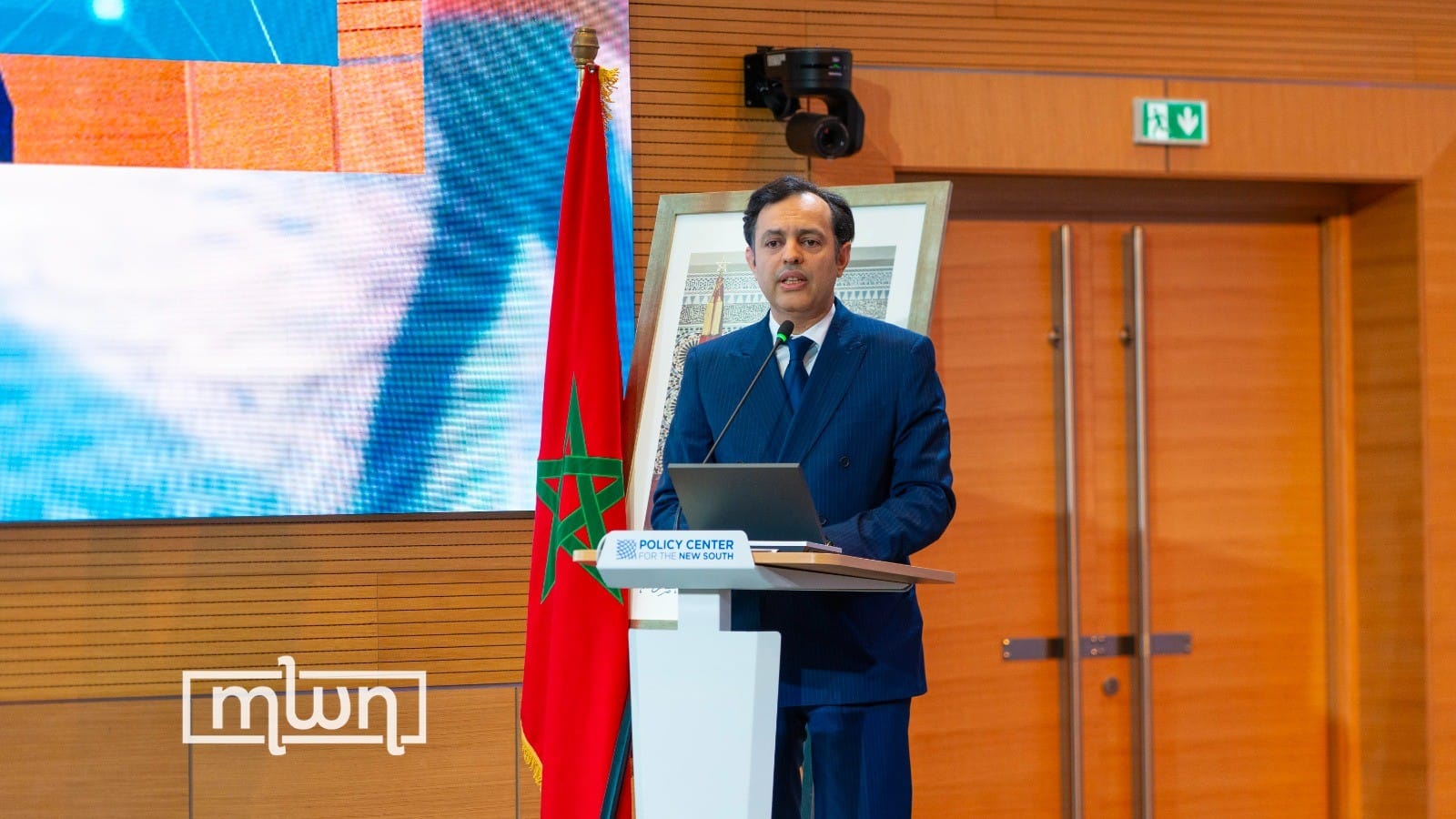
Rabat – The government is working on an ambitious new decree aimed at bolstering investment in small and medium-sized enterprises (SMEs) and directing state investment aids to create jobs, said Younes Sekkouri, Morocco’s Labor Minister on Friday.
Speaking during an opening address at an event in Rabat, Sekkouri, who also serves as Minister of Employment, explained that the initiative is part of a broader strategy to tackle unemployment and enhance vocational training.
The plan represents a significant shift in how the government supports job creation at the grassroots level, he stressed.
“We are working on a decree that will provide an investment mechanism dedicated to SMEs, to also direct state investment aids according to the jobs, especially created by these very small businesses,” the minister stated.
The targeted approach seeks to address the structural problems in the public sector by ensuring that investment not only flows to large corporations but also empowers smaller enterprises that are crucial for local economies.
The minister highlighted the integral role of both public and private investments as primary job providers.
“The name, indeed, is investment, and we talk about the primary providers of jobs, which are public and private investments,” he emphasized. Recently, public investment has seen a significant increase, with figures rising to MAD 300 billion ($30 million), aiming to create jobs through a strategic and localized approach.
A key aspect of this initiative is the shift in how employment budgets are perceived and utilized.
Read Also: Morocco’s Economic Boom Falls Short of Creating More Jobs
The government’s decentralization efforts also play a crucial role in this strategy. By regrouping ministries and working closely at the territorial level, the government aims to better address regional needs and improve job distribution and investment.
“We are making an effort at the government level in the field of decentralization, which consists of regrouping ministries and working closely at the territorial level,” the minister noted.
In addition to the decree, the minister outlined plans to enhance vocational training and apprenticeship programs.
Highlighting the current gaps between available jobs and suitable profiles, the minister stressed the need for greater private-sector involvement in vocational education.
“The private sector is not sufficiently involved, only 25% of the vocational training offer is in the private sector,” he said.
One innovative project mentioned is the creation of “cities of trades and skills.” The specialized hubs will include various thematic villages, such as an aeronautical village, an automotive village, and a digital village, each providing practical, high-quality vocational training.
“We have a project of cities of trades and skills. These are cities with villages inside, a rural village, an aeronautical village, an automotive village, a care economy village, a digital village,” the Minister elaborated.
The speech also underscored the importance of apprenticeship programs within companies, where apprentices split their time between classroom learning and on-site training.
“Apprenticeship can take place within a company, especially in the context of professional partnering with a company. In the factory, you will see two types of people,” he said.
“People with white coats, who are confirmed employees, and others who have blue coats, who are apprentices, who will do 20% in class and 80% on-site,” the Minister described.