 Join on WhatsApp
 Join on Telegram
Rabat – Millions of Sudanese teeter on the edge of famine as the brutal conflict in the country enters its second year, according to a new report raising alarm bells at the UN.
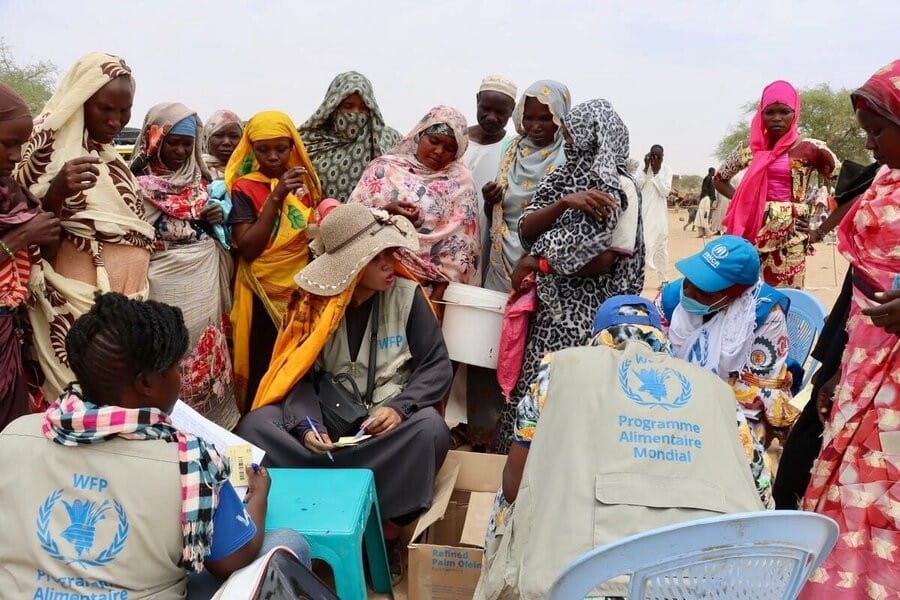
The “Integrated Food Security Phase Classification” (IPC) report, released in late June, paints a dire picture of the country’s food security, with a record 25.6 million people facing acute hunger.
Fourteen areas within Sudan are now considered “at risk of famine,” the most severe classification on the IPC scale. This unprecedented crisis is fueled by the ongoing conflict, displacing millions and disrupting essential agricultural activities.
A coalition of African and Arab nations, including Morocco, the United Arab Emirates, and Kenya, expressed “deep concern” about the IPC findings in a joint statement delivered at the UN headquarters in Geneva.
The statement highlights the “blatant and rapid deterioration” of food security in Sudan, particularly worried about the impact on vulnerable populations, including children suffering from severe malnutrition.
Beyond the immediate threat of famine, the worsening food crisis has broader implications. The statement warns of potential destabilizing effects on neighboring countries due to increased refugee flows and migration.
The urgency of the situation is not lost on the international community. The UN Security Council has previously called for unimpeded humanitarian access to deliver aid to civilians in need.
This call is echoed by the African and Arab coalition, emphasizing the need for rapid issuance of visas and travel permits for humanitarian workers.
The statement also urges warring parties to immediately cease hostilities and respect international humanitarian law.
It further calls on the international community to provide “immediate and coordinated” humanitarian assistance, including increased food aid and support for agricultural programs.