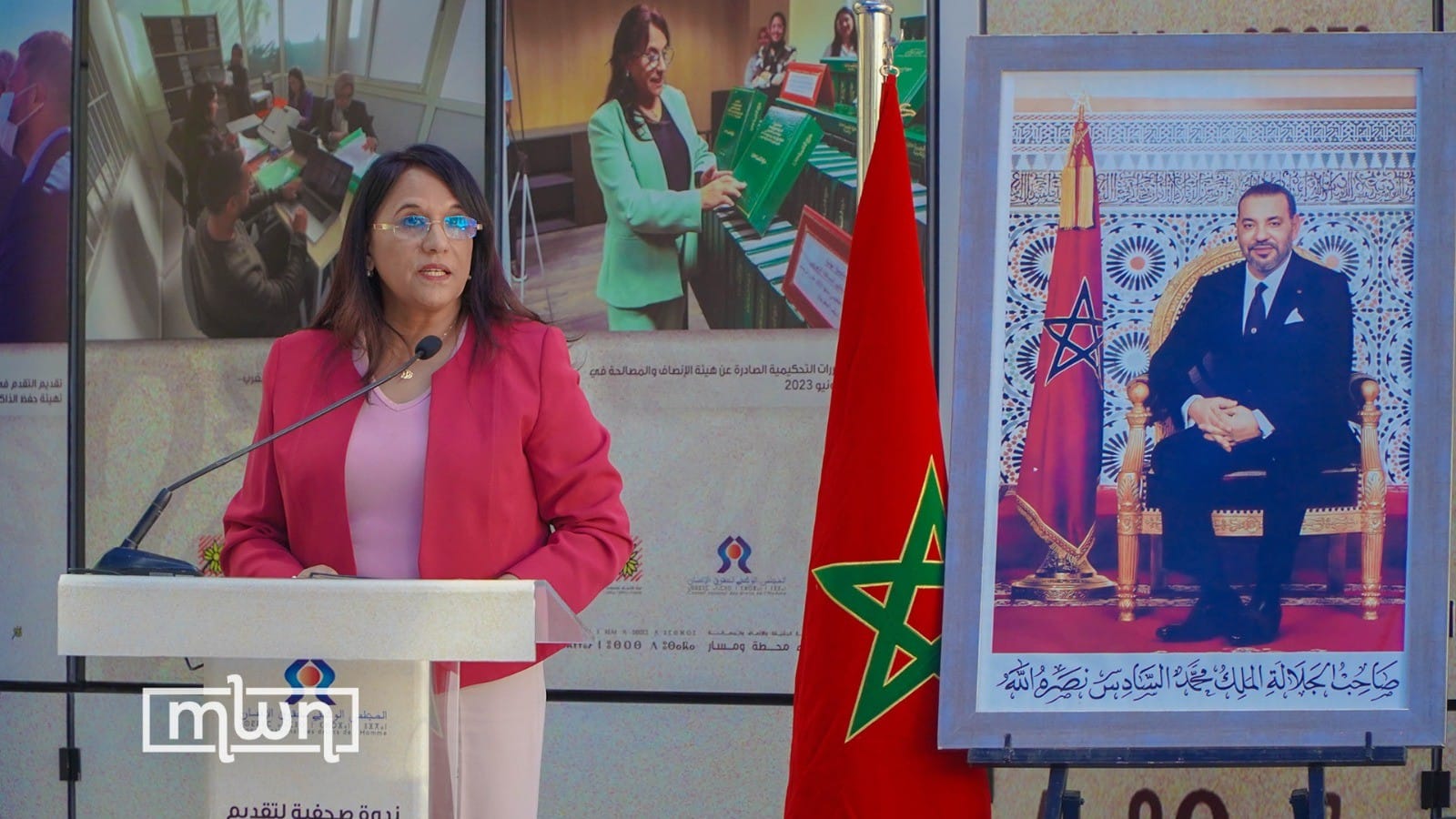
Rabat – Morocco’s National Council of Human Rights (CNDH) presented on Tuesday its 2023 annual report on the state of human rights in the country at its headquarters in Rabat. The report, themed “Laying the Foundations of a National System to Protect Economic and Social Rights,” highlighted several key areas of concern, including a significant call to include marital rape under the definition of rape crimes.
The Council stressed the importance of including marital rape in legal definitions. The Moroccan penal code defines rape in general terms, but it does not explicitly address non-consensual sex within marriage.
In its section on the rights of women and girls, the CNDH report expressed its concern about the continuing issue of child marriage, though it noted a decrease in requests for permission to marry minors in 2023 compared to 2022, with only 14,197 requests.
Of these, 8,452 were approved. Despite this decrease, the Council remains concerned about the prevalence of this practice in various forms, such as “fatiha marriage” or “contractual marriage.”
In this respect, the council stressed the importance of criminalizing the informal marriage of minors, as well as the involvement in such practices, within the upcoming amendments to the penal code.
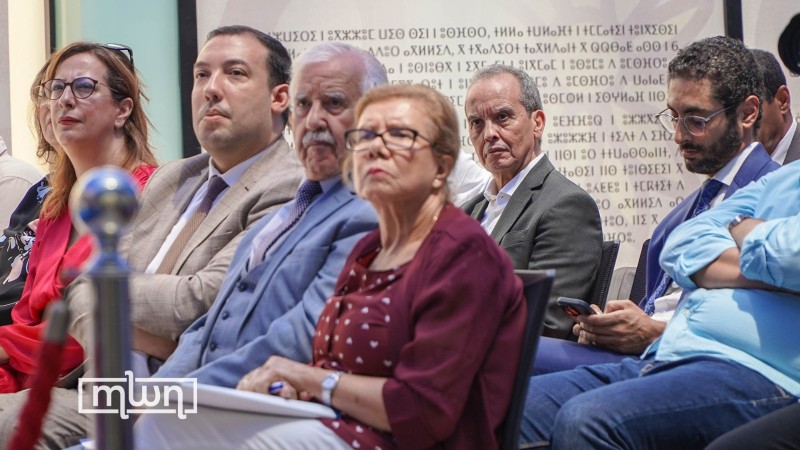
During the presentation of the report today, CNDH President Amina Bouayach highlighted several pivotal moments in 2023 that significantly contributed to the consolidation of the rule of law and social cohesion in Morocco.
One of the key milestones was the royal initiative to declare the Amazigh New Year a paid national holiday. She said that the decision was a major step towards “fulfilling the constitutional recognition of Morocco’s diverse cultural heritage and reinforcing the pluralistic identity of the nation.”
Another significant event was the devastating Al Haouz earthquake that rocked central Morocco in September 2023. Bouayach said that the earthquake exposed the “vulnerabilities and infrastructure deficits” in the affected areas, as well as the significant gaps in resident’s access to fundamental rights.
However, it also showcased the unity and compassion of the Moroccan people, both at home and abroad, she noted.
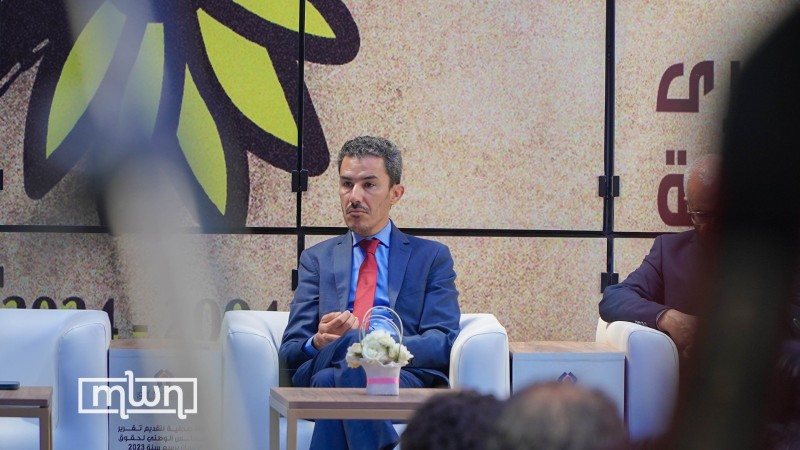
Morocco World News spoke to Mounir Bensalah, CNDH’s Secretary General of the CNDH, who provided further insights into the council’s annual report and noted that it was submitted to King Mohammed VI.
“This report is the fifth in this mandate, indicating a continuation of submitting annual reports, which allows national and international stakeholders to follow the progress of human rights in Morocco,” he said.
He added that the annual report, which is the result of the council’s “diligent work,” provides an opportunity for national and international stakeholders to follow the progress Morocco has made in human rights.
“The report covers the state of human rights in Morocco, providing researchers, journalists, and citizens with valuable insights into the current situation,” Bensalah stressed.

Worsening gender disparities
The report further highlighted the situation of women’s rights in Morocco as it called for broader implementation of the protective measures stipulated in the law to combat violence against women.
In particular, it highlighted the worsening gender disparities, as evidenced by statistics accompanying the 2023 finance bill. This includes the persisting issue of violence against women and girls, particularly sexual violence, digital violence, defamation, domestic violence, family neglect, psychological abuse, custody disputes, threats, and harassment.
The Council and its regional committees received a total of 280 complaints related to these issues. The human rights institution said it has studied and analyzed these complaints, followed up on their legal and social outcomes, and intervened to help some complainants access support centers and associations for psychological aid and referred others to the appropriate authorities.