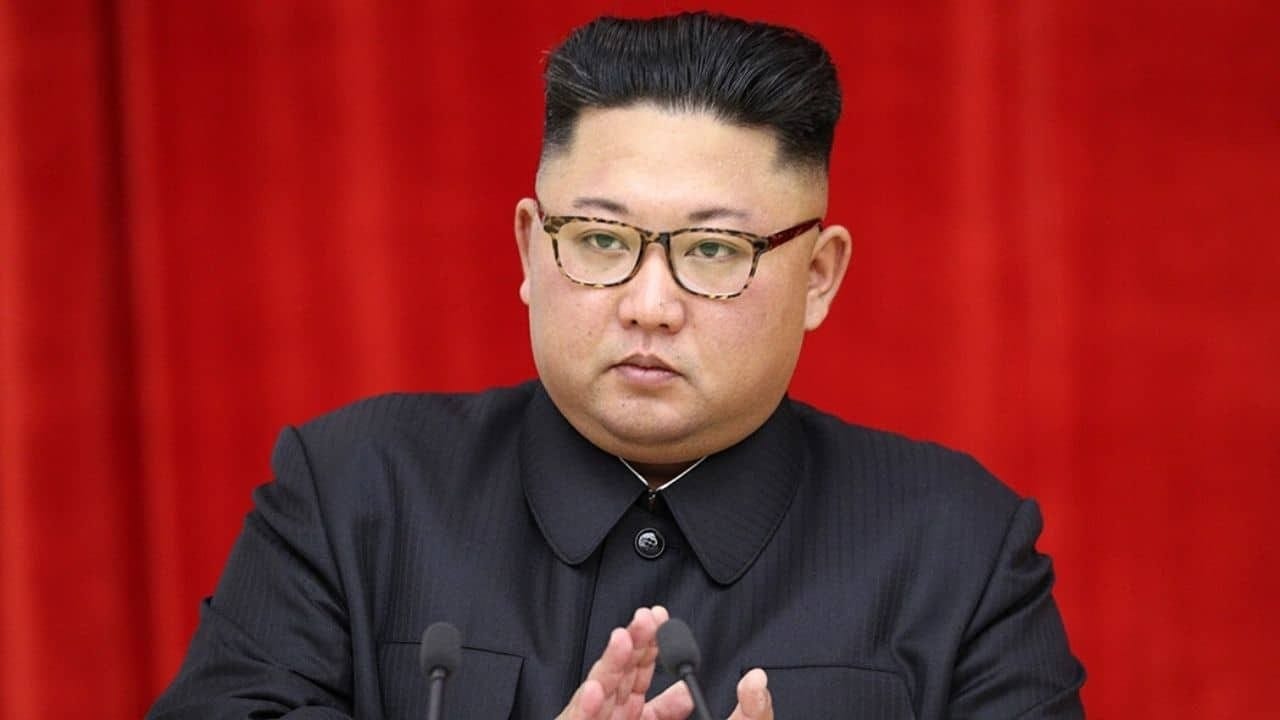
Doha – North Korean leader Kim Jong Un has reportedly ordered the execution of up to 30 government officials following the devastating floods that hit the country’s northern region in late July.
The officials, who were in charge of the flood-stricken areas, were allegedly charged with corruption and dereliction of duty before being sentenced to death.
According to a report by South Korea’s TV Chosun, which cited an unnamed South Korean government official, the executions took place last month after the floods claimed the lives of thousands and displaced over 15,000 people in the Chagang Province.
The report suggested that the death toll in the worst-hit areas could be as high as 4,000.
The South Korean National Intelligence Service stated that it was closely monitoring the situation after receiving intelligence related to the developments.
However, the agency declined to provide further details. The Unification Ministry, which handles relations with North Korea, also refrained from commenting on the matter.
During an emergency party meeting in late July, Kim Jong Un vowed to strictly punish those who had “severely neglected” their duties and were deemed responsible for the casualties.
While North Korean state media distributed photos of Kim overseeing rescue efforts, they did not report any deaths resulting from the disaster.
The floods caused extensive damage to homes, roads, rail links, and farmland in the city of Sinuiju and the nearby county of Uiju.
According to the official Korean Central News Agency, around 5,000 people were rescued from the affected areas.
TV Chosun reported that the flood damage was even more severe in the Chagang Province, which borders China and is home to the upper and middle reaches of the Yalu River. Some bodies were discovered during soil clearing work after water levels receded.
Although the reported executions have not been independently verified, they align with Kim Jong Un’s history of harsh punishments for perceived failures. Prior to the COVID-19 pandemic, North Korea was known to conduct an average of 10 public executions per year.
The international community has long criticized North Korea for its human rights abuses, including the use of public executions as a means of maintaining control over the population.