


 Join on WhatsApp
  Join on Telegram
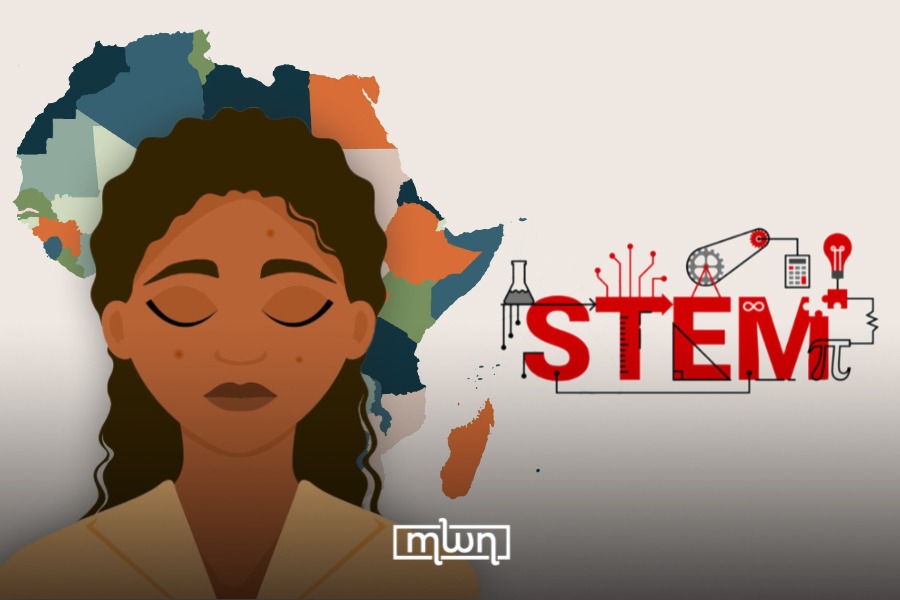
 Mohammedia – Even with the highest global percentage of female STEM graduates at 47%, Africa still lacks sufficient numbers of women in tech roles, positions of leadership, and equity financing within its technology firms, McKinsey & Company documented in recent research.
It is a disturbing paradox that reveals both progress and persistent structural barriers within the continent’s flourishing technology sector.
On paper, the foundation is strong, with African universities producing a larger number of female scientists and engineers than any other continent, an even higher number than Europe (42%), Asia and South America (41%), and North America (39%). Yet a mere 23-30% of technology posts in sub-Saharan Africa are occupied by women, slightly above the global average of 28%.
Figures take a nosedive further up the corporate ladder. Women hold fewer than 12% of African technology leadership positions, and fewer than 3% of companies generating revenues above $1 billion feature a woman in a top tech leadership role.
Even in startups, companies run by women received a meager 1% of all technology funding in 2024, while companies run by men received a shocking 94%. Mixed-gender teams fared slightly better at 5%.
On a national level, the numbers are uneven. South Africa and Nigeria lead the way with 17% and 20%, respectively, of listed companies in the C-suite tech roles filled by women. In contrast, countries including Egypt (4%), Tanzania (9%), and Namibia (10%) lag behind.
Several other nations, including Botswana, Malawi, Seychelles, Sudan, and Uganda, have no women in top tech roles among listed firms.
The McKinsey report highlights three pivotal “leak points” where women’s representation deteriorates:
- Transition from education to employment: Although women represent nearly half of STEM graduates, far fewer make it into tech roles.
- Progression within tech careers: Women face significant accountability and advancement barriers, often contributing to early attrition from the workforce.
- Access to funding: The disparity in funding is stark, with male-led ventures dominating, while women-led enterprises capture only a fraction of available investment.
To reverse these trends, McKinsey recommends three such strategic interventions:
- New recruitment strategies – such as collaboration deals with universities, internships, scholarship schemes, and work-apprenticeship schemes – tailored to retain women in the school-to-work transition.
- Inclusive workplace policies such as mentor programs, anti-bias awareness programs, flexible work programs, return-to-work programs, and childcare programs supporting career development.
- Additional investment financing in the form of personalized grants, investor mentoring, and awareness programs to train and prepare women startup entrepreneurs and founders.
These interventions are not only progressive but are at the heart of fostering technology-driven economic development across the continent. Harnessing the potential of almost half of Africa’s STEM talent pool could close a large portion of Africa’s digital skills gap and boost innovation.
As African economies advance towards technological development, bridging these gaps is crucial. It’s not just about equity for girls and women in tech, but also about unlocking sustainable development, diversification in leadership, and ensuring that the benefits of the digital revolution are inclusive.
Read Also: Women in Morocco’s Private Sector Earn 42.8% Less Than Men


