 Join on WhatsApp
 Join on Telegram
Doha – Morocco is considering implementing a tax on real estate wealth to help finance its ambitious universal social protection program, according to a report titled “Property Taxes: Missed Opportunities for Funding Universal Social Protection in Lebanon, Morocco, and Jordan?” published this week by the Arab Reform Initiative.
The report, authored by Abdelhak Kamal, delves into the fiscal challenges and potential solutions for sustainably funding the expansion of social security in the North African nation.
Morocco’s social protection reform aims to provide universal coverage, including extending Compulsory Health Insurance (AMO) to 22 million beneficiaries, expanding family allowances to 7 million school-age children, and including 5 million self-employed and informal workers in pension schemes by 2025.
The reform is taking place in a context characterized by the exacerbation of inequalities and poverty, with the number of those “vulnerable to poverty” and/or “poor” people increasing from 17.1% in 2019 to 19.87% of the population in 2020, according to the World Bank.
The total cost of this non-contributory solidarity funding is estimated at MAD 50 billion ($5 billion) annually.
The report highlights that while Morocco’s tax revenues have increased from 19.4% of GDP in 2015 to 21.1% in 2022, the current financing structure heavily relies on state budgets (54%) and earmarked taxes (24%), raising questions about long-term sustainability and fairness.
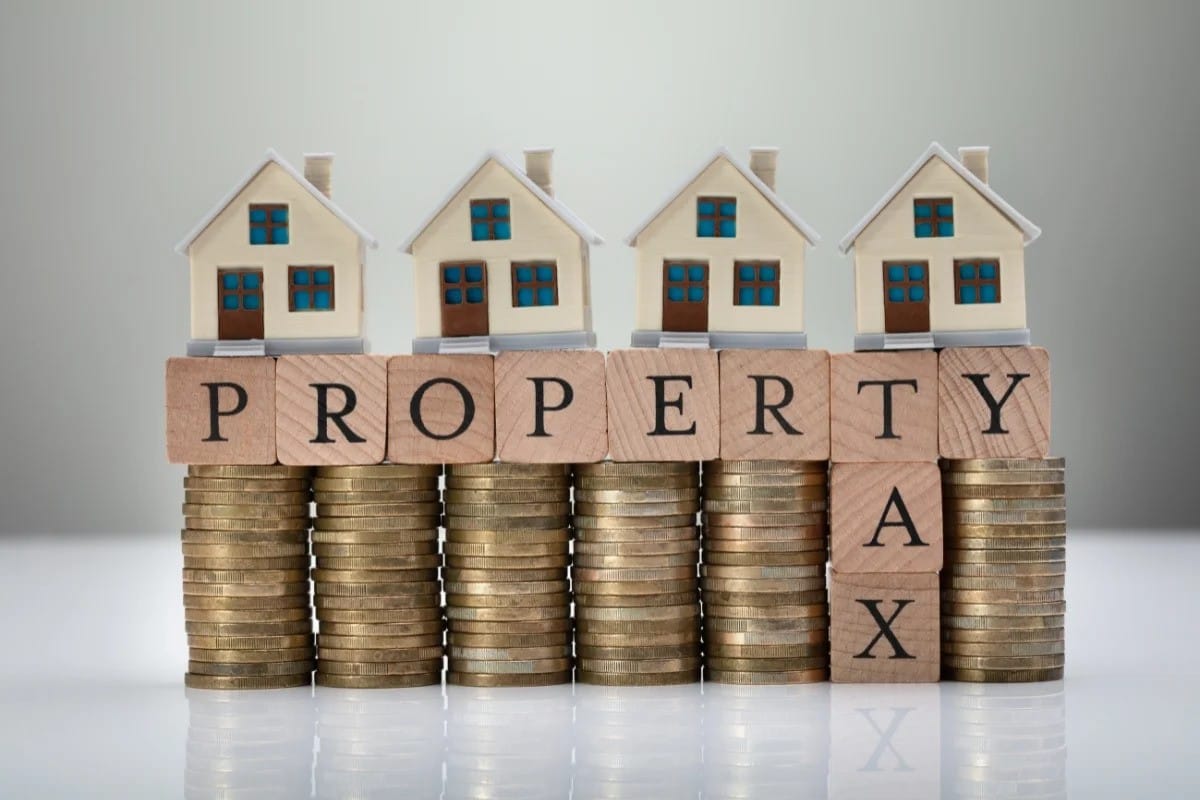
The author suggests that a more equitable approach would involve higher taxation on capital, such as introducing a real estate wealth tax inspired by France’s “impôt sur la fortune immobilière” (tax on real estate wealth).
As the report notes, “The prevailing tax structure may favor capital income. The tax base is relatively narrow, with middle-class citizens often contributing the most.”
Kamal estimates that a progressive IFI targeting the top 5% of properties by value, with rates ranging from 0.5% to 1.5%, could generate approximately MAD 8.37 billion per year.
Read also: UN Hails Morocco’s Welfare System as Model for Middle-Income Nations
This would represent 26% of the 2021 budget for the solidarity portion of the reform and 14-17% of the total annual funding needs.
The tax would focus on high-value properties worth over MAD 10 million, affecting an estimated 36,000 out of 8 million properties in Morocco.
The report argues that an IFI would promote a more balanced tax base, reduce reliance on labor income, and incentivize productive investments.
It states, “The establishment of a real estate wealth tax in Morocco, similar to that in France, represents a more optimal compromise than the aforementioned proposals. It could be considered to diversify sources of tax revenue and improve tax fairness.”
However, the author acknowledges the need for further studies to refine revenue estimates and develop a robust legal and administrative framework.
As Morocco grapples with the challenges of financing its universal social protection program, the real estate wealth tax emerges as a potential tool for promoting fiscal sustainability and social justice.
The Arab Reform Initiative’s report offers valuable insights into the ongoing debate on how to best fund this ambitious reform while ensuring a fair distribution of the tax burden.
The author concludes, “To guarantee the success of this initiative, it is vital to conduct a comprehensive study to refine revenue estimates, develop a robust legal and administrative framework, and raise public awareness of the advantages of this tax.”