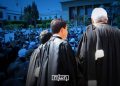

Rabat – After 11 months of intense strikes and boycotts, Morocco’s medical students are set to return to their studies following a landmark agreement signed yesterday.
The National Commission of Moroccan Medical Students (CNEM) and the ministries of Higher Education and Health reached a settlement, officially putting an end to the longest student strike in the country’s history.
The CNEM announced the suspension of its indefinite strike following a digital vote among medical students, with a significant 57.8% majority voting in favor of halting the strike. The vote, conducted across medical faculties, saw over 90% participation, reflecting the student body’s investment in resolving the crisis.
The crisis began in December 2023 when medical students across Morocco raised concerns about the quality and accessibility of their training. Students demanded improvements in clinical training, more equitable internship distribution, and clearer paths to postgraduate specialization, among other issues.
As negotiations stalled over the months, students organized sustained protests, braving suspensions, expulsions, and even police detentions. The movement garnered support from various segments of Moroccan society, including professors, unions, and human rights organizations.
Read Also: Sit-In Chaos: Police Crackdown on Rabat Medical Students’ Protest
In a post shared on CNEM’s social media, the commission thanked the Moroccan kingdom’s ombudsman (government official in charge of complaints) for his role in mediating the agreement. “Today, after 11 months of struggle, we are returning to our campuses with dignity, committed to excelling academically and contributing to the betterment of the Moroccan healthcare system,” he noted.
The official statement from the ombudsman’s office reflected this sentiment, confirming that the resolution came as a result of extensive negotiations involving government representatives, university deans, faculty members, and civil society groups.
The ombudsman recognized the importance of “trust and mutual respect” in facilitating constructive dialogue and crafting a solution that meets both constitutional and practical requirements.
Key aspects of the settlement include increased support for clinical training, provisions for more internships, and commitments to address the students’ grievances that had initially sparked the protest. The ministries of higher education and health pledged to improve the quality of medical education and clinical training in Morocco’s public institutions, aiming to ensure that students are well-prepared to meet the healthcare needs of Moroccan citizens.
Medical students and faculty members alike have expressed optimism that this agreement will mark a turning point in Morocco’s medical education landscape. By meeting the students’ core demands, the government hopes to foster a healthier academic environment that encourages young medical professionals to pursue their studies without disruption.
The CNEM pointed out that, despite the hardships faced during the movement, students remain committed to academic excellence and advancing Morocco’s healthcare sector. Reflecting on the prolonged strike, they recognized the steadfast support from their families, educators, and numerous allies across Moroccan society who supported the students’ call for change.
The resolution marks a major achievement for both the students and Moroccan institutions, with all parties now hopeful that ongoing cooperation will ensure continued improvements in medical training quality and accessibility across Morocco.