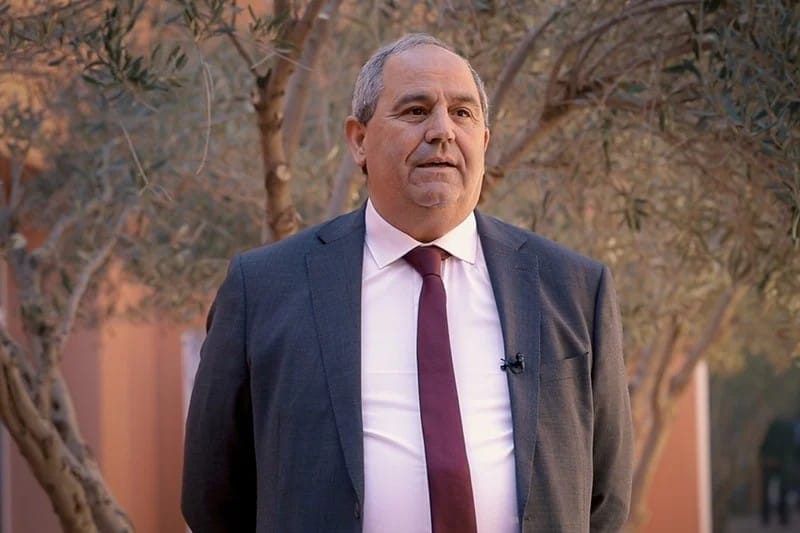
Rabat – Morocco’s Minister of Higher Education, Azzedine El Midaoui, presented key indicators and upcoming priorities for the sector, along with the ministry’s 2025 action plan and budget proposal, in Rabat yesterday.
During a meeting held by the committee on education, culture, and communication in the House of Representatives, El Midaoui revealed that student enrollment in both public and private higher education institutions has seen sustained growth.
For the 2024-2025 academic year, the total number of registered students reached 1,307,327, marking a 5.3% increase over the previous year.
Public universities currently host the vast majority, with 1,159,399 students enrolled—a 4.8% increase compared to last year—comprising 89% of the total student body.
Private institutions saw a drastic 10% rise, enrolling 87,226 students, or 7% of all students, while other public higher education establishments not affiliated with universities registered a 9.4% increase, totaling 60,702 students (5% of the overall enrollment).
El Midaoui also pointed out a notable 21% increase in enrollments in limited-access programs over the past two academic years. These programs now represent 26% of Morocco’s higher education offerings.
Looking ahead to 2025, El Midaoui confirmed that new pedagogical frameworks will be introduced in master’s programs and limited-access institutions. The ministry plans to diversify training options to include 4,000 accredited tracks, with 1,000 offered in private institutions and 3,000 in public universities.
El Midaoui’s ministry also plans to make graduates more employable by expanding career centers across campuses, fostering partnerships within institutional and economic sectors and implementing a national student entrepreneur status.
The ministry also has plans to establish support structures to monitor graduate employment across all universities, complemented by a central unit for tracking alumni employment. On the scientific research front, El Midaoui reported that 245 doctoral tracks are currently accredited, and 1,000 doctoral scholarships are awarded annually, a figure expected to grow through partnerships with other government departments.
As part of the government reshuffle, King Mohammed VI replaced Abdellatif Miraoui with Azzedine El Midaoui to lead the Ministry of Higher Education. The reshuffle occurred amid ongoing strikes by medical students, who are protesting reforms like the reduction of medical education from seven to six years.