 Join on WhatsApp
 Join on Telegram
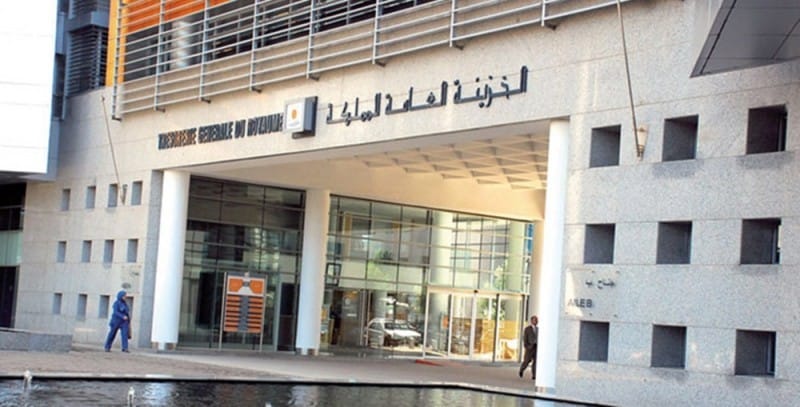
Rabat – Morocco’s treasury reported a budget shortfall of MAD 40.5 billion ($3.9 billion) by the end of October 2024, an increase from last year’s deficit of MAD 37.2 billion ($3.6 billion) for the same period. This reflects a gap between government spending and revenue, according to the General Treasury of Morocco (TGR).
This deficit includes a positive balance of MAD 17.6 billion ($1.7 billion) from special treasury accounts (CST) and independently managed state services (SEGMA).
Gross ordinary revenues reached MAD 292.1 billion ($28.1 billion), marking a 10.4% increase from October 2023. This was due to higher direct taxes (+14.2%), customs duties (+5.4%), indirect taxes (+13.9%), registration and stamp duties (+6%), and non-tax revenue (+4.6%). The rise in revenues reflects stronger economic activity, which is generally positive for government finances.
Yet, ordinary expenses grew by 4.1%, reaching MAD 268.55 billion ($25.8 billion), due to increases in spending on goods and services (+7.1%) and debt interest payments (+15%), despite a significant 52.4% cut in compensation spending.
While essential service costs are expected, higher debt interest adds financial strain and reduced subsidies could have mixed effects on public welfare.
Read Also: Morocco’s Budget Deficit Rises to MAD 35.2 Billion by End of July 2024
Total spending under the general budget reached MAD 411.8 billion ($39.6 billion) by October 2024, a 1.7% decline from last year. This reduction came from a 2.6% increase in operating expenses and a slight 0.7% rise in investment, offset by a 12.2% drop in budgeted debt payments.
The treasury also reported total expenditure commitments of MAD 614.6 billion ($59.1 billion), with a commitment rate of 74%, up from 72% in October 2023, and an issuance rate of 88%, down slightly from last year’s 90%.
Revenue from CST reached MAD 144.7 billion ($13.9 billion), including MAD 23.5 billion ($2.3 billion) transferred from the general budget for investments, down from MAD 28.3 billion ($2.7 billion) the previous year.
Meanwhile, CST expenses reached MAD 128.1 billion ($12.3 billion), incorporating MAD 4.9 billion ($472 million) in tax rebates and refunds, with an overall CST balance of MAD 16.7 billion ($1.6 billion).
Revenues for SEGMA – government services that are managed independently of the central budget, such as certain public institutions – declined by 7.4% to MAD 2.2 billion ($211 million), while expenses dropped by 11.5% to MAD 1.28 billion ($123 million).
The larger budget deficit compared to last year indicates that Morocco is under greater financial pressure. While the increase in revenue is a positive development, rising expenses, particularly debt interest payments, raise concerns.
If these trends persist, the government may need to explore new revenue sources or reduce spending to prevent further debt accumulation. Overall, while there are positive signs, such as higher revenue, the growing deficit and debt costs mirror the challenges that require careful management to ensure long-term financial stability.