
 Join on WhatsApp
 Join on Telegram
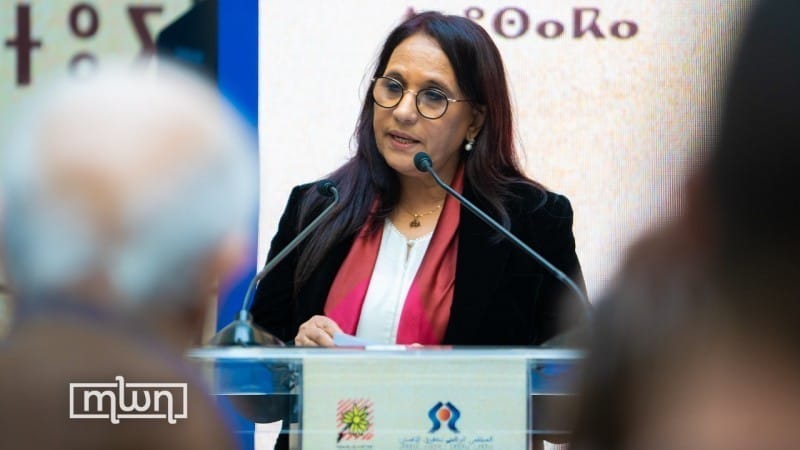
Rabat – Today, a regional workshop opened in Casablanca to enhance legislative safeguards to combat and prevent torture and ill-treatment within detention centers and throughout Morocco.
Organized by the National Human Rights Council (CNDH) in partnership with the UN High Commissioner for Human Rights’ Regional Office for the Middle East and North Africa, the event underlines the need for robust measures to uphold human dignity and rights in Morocco.
Featuring opening remarks from CNDH President Amina Bouayach, Mohamed Dkhissi, Director of Judicial Police, and Mazen Shuqoura, OHCHR Regional Representative, the two-day gathering brings together national and regional stakeholders to discuss strategies for eradicating torture.
Bouayach noted the critical role of legislative safeguards in ensuring justice and protecting human rights.
“Establishing strong legislative guarantees to prevent torture and protect against it is a cornerstone of building a state of law and justice. Discussing it goes beyond compliance with human rights standards; it is about ensuring human dignity and justice for all,” she stated.
CNDH urges global ratification of anti-torture frameworks
While acknowledging international progress, Bouayach pointed out the ongoing challenges in achieving universal adherence to anti-torture frameworks.
“Unfortunately, not all societies have reached this level of commitment. International human rights law prohibits torture absolutely, reinforced by a peremptory norm that allows no exceptions or restrictions,” she explained.
As the 40th anniversary of the UN Convention Against Torture approaches, Bouayach called for intensified global action.
“I call on all stakeholders, international networks, and defenders of human rights to mobilize for a global campaign to achieve universal ratification of the convention by 2025. No dignity, humanity, or citizenship can exist in a state that fails to uphold this minimum commitment,” she urged.
While 174 countries have ratified the Convention Against Torture, only 93 have endorsed its Optional Protocol, which mandates the establishment of national mechanisms to prevent torture. Bouayach called for stronger advocacy in this area, stating, “We must advocate for these nations to establish national mechanisms for the prevention of torture.”
New push against torture in Morocco
Morocco’s CNDH has adopted a multifaceted strategy to address torture, focusing on prevention, protection, and education.
Bouayach spoke on the council’s collaboration with the Directorate General of National Security (DGSN) through a 2022 agreement that incorporates human rights into security personnel training. “This agreement embeds human rights as a strategic dimension in training security personnel responsible for detention centers,” she said.
Looking ahead, Bouayach announced plans to launch a regional network for the prevention of torture, with its permanent secretariat based in Rabat.
Speaking on the initiative, she remarked, “Our goal, alongside our partners in Africa’s national mechanisms, is to make the continent free of torture. This requires work, mobilization, and campaigns, but our shared ambition is greater than any challenge.”
The workshop, which concludes tomorrow, will continue to explore strategies for bolstering legislative and institutional frameworks to combat torture across the region.
Read Also: CNDH Advocates for Robust Protections for Striking Workers in Morocco