
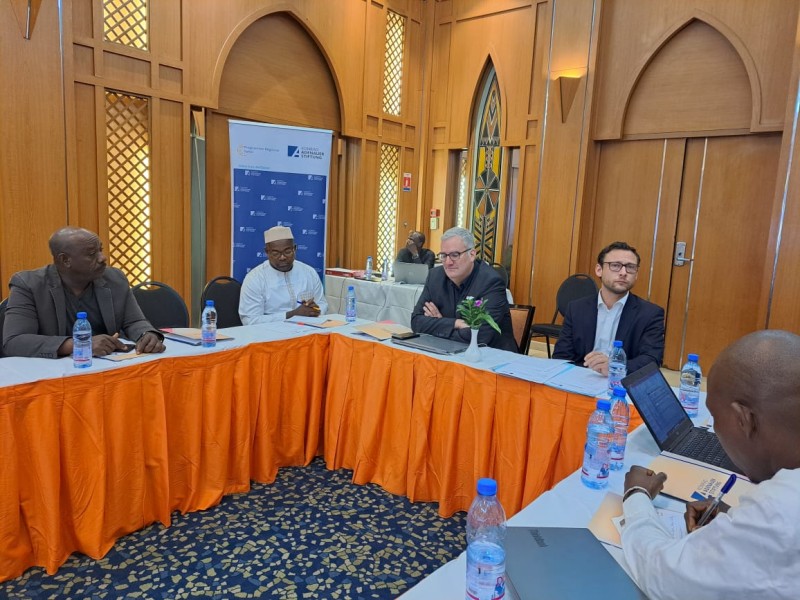
Rabat — Morocco’s pivotal role as a link between the Maghreb and Sahel regions was a central theme at an international conference held in Mali from December 4-5. The event, titled “The Challenges and Stakes of Maghreb-Sahel Cooperation: Morocco’s Perspective,” brought together experts and policymakers to address the region’s shared challenges and explore opportunities for collaboration.
A key focus of the discussions was Morocco’s advanced port infrastructure and its transformative potential for the Sahel region. The fourth panel examined the role of Tanger Med and Casablanca ports in facilitating trade for landlocked Sahelian nations.
Moroccan geopolitical researcher Lahcen Aqartit emphasized that by offering direct access to international shipping routes, these ports can create new opportunities for economic diversification and decrease dependence on traditional trade routes.
Morocco’s Atlantic Initiative has emerged as another critical component of the country’s efforts to deepen its ties with the Sahel region. By investing in infrastructure and fostering regional integration, the initiative seeks to enhance connectivity, stimulate economic growth, and improve living conditions across the Sahel.
The project also positions Morocco as a key logistical hub for 23 Atlantic African nations, boosting maritime and air links while realigning production chains closer to resource hubs.
Morocco launched its ambitious Atlantic Initiative on November 6 last year, pledging to grant Sahelian countries maritime access to the Atlantic Ocean while expanding the country’s influence in the Sahel-Saharan region.
Morocco’s economic gateway
Discussions surrounded on the need for interconnected transport infrastructure — such as roads and railways — to improve the movement of goods and people between the Maghreb and Sahel regions. Strategic partnerships in economic, social, and security domains were also underscored as vital for advancing regional cooperation.
Aqartit noted Morocco’s unique position as a bridge between Africa and global markets. He said that the country’s modern infrastructure and diplomatic initiatives provide practical solutions to key challenges faced by Sahelian countries, such as economic isolation and trade dependency.
“Morocco’s role as both a gateway to global markets and a strategic partner for Sahelian countries reflects its commitment to shared growth and stability,” Aqartit stated during his address.
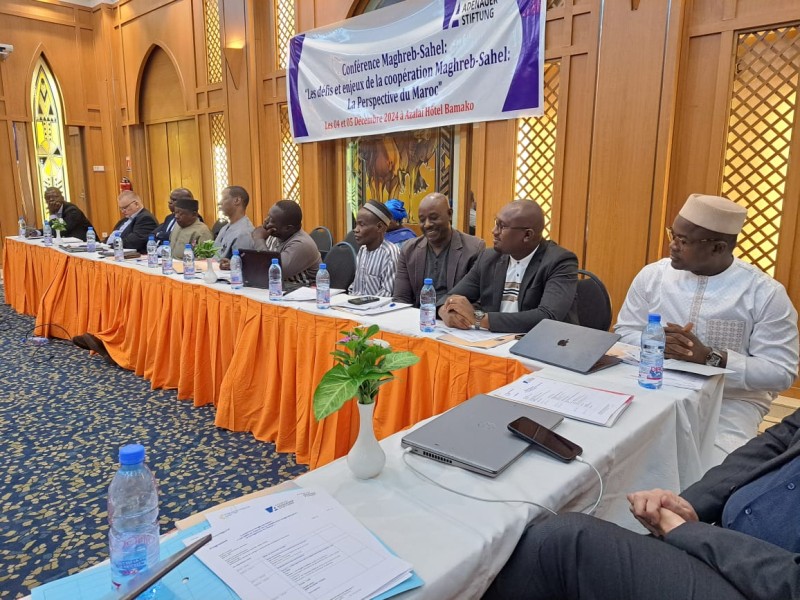
The conference concluded with calls for sustained dialogue and actionable steps to strengthen ties between the Maghreb and Sahel regions. Morocco was recognized as a driving force for regional integration, offering innovative solutions to shared challenges and setting a model for collaboration.