


 Join on WhatsApp
  Join on Telegram
 Rabat – The debate over the right to strike in Morocco has reached a crucial juncture, with the government poised to address key amendments to the legislation that defines the conditions under which this right can be exercised.
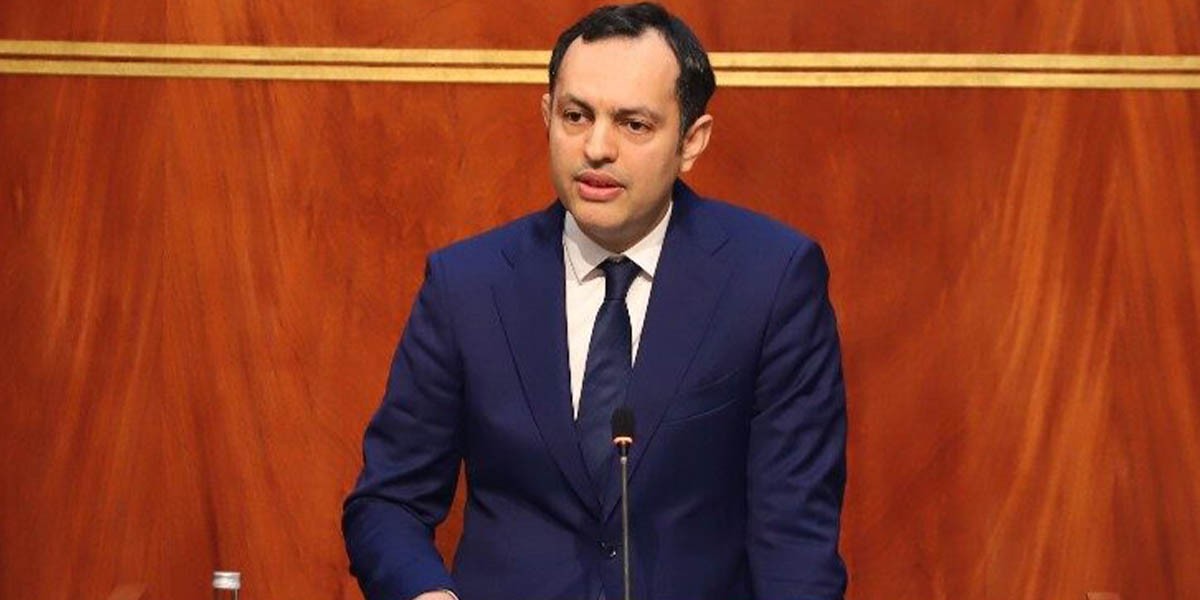
After extensive consultations with political parties, major trade unions, and non-represented groups, it has become crystal clear that “fundamental modifications” are necessary to the controversial strike law, Minister of Economic Inclusion Younes Sekkouri said yesterday.
The law, which has sparked debate since its introduction, aims to create a clear framework for labor strikes, balancing workers’ right to protest with measures to maintain essential public services.
In response to questions about the law in the House of Representatives, Sekkouri noted the government’s commitment to engaging with the 330 proposed amendments from deputies, calling for a “common action” to implement the changes “on the ground.”
He added: “We are ready to engage constructively with all the proposed changes to ensure that the law benefits both workers and the nation.”
Sekkouri also pointed out that these discussions are guided by the priorities outlined by King Mohammed VI in his speech at the opening of the legislative year, with a focus on protecting the working class, safeguarding the national production chain, and ensuring citizens’ health and safety.
These priorities are crucial to shaping the law, the minister explained, stressing: “The protection of the working class, considered the weak link in the equation, is our first priority, followed by ensuring the continuity of production within the law and guaranteeing public service.”
One of the most contentious aspects of the proposed law is its stance on political, alternating, and solidarity strikes.
Read Also: CNDH Advocates for Robust Protections for Striking Workers in Morocco
Sekkouri confirmed that the government intends to address these concerns. “We will respond to fundamental demands, including the repeal of the provision banning political strikes, the repeal of the prohibition on alternating strikes, and the removal of the ban on solidarity strikes,” he said.
The government’s approach to these issues will be crucial in balancing workers’ rights with national interests. According to Sekkouri, the amendments are “a step forward in protecting workers’ freedoms while ensuring the stability of essential public services.”
With a vote set for today in the social sectors committee, attention will be on how the government addresses these delicate matters.
Last month, Government spokesperson Mustafa Baitas urged for renewed efforts to advance the country’s proposed strike law, which has remained stalled in parliamentary review for nearly nine years.
Speaking at a press conference following a government council meeting, Baitas noted the need for a constructive discussion on the long-delayed legislation. “The strike law has been in Parliament for nine years. Are we going to leave it there for another nine years? We cannot do that,” he remarked.
While the government is determined to move forward with the law, it requires “good-faith” discussions and a deeper dialogue with unions and parliamentarians, Baitas concluded.


