Last year, Japanese tobacco and vaping company (JTI) launched the construction of a new factory in the Moroccan city of Tetouan. For the company, this move reflected its commitment to new investments seeking to boost its position in North Africa while contributing to the creation of direct and indirect jobs.
In an exclusive interview with Morocco World News (MWN), JTI Maroc Operations Director Robert Nuneski shared insights on the tobacco industry in Morocco, his ambition to contribute to JTI’s success in the country, as well as the challenges facing the company.
Morocco’s tobacco industry
Sharing his perspective on Morocco’s tobacco industry, Nuneski acknowledged the importance of the sector and its contribution to the Moroccan economy.
Data from the website Statista suggest that the tobacco market’s revenue is expected to grow annually by 4.46% between 2025 and 2029,
Echoing this finding, Nuneski cited factors that would potentially contribute to the sector’s development in Morocco. He cited in particular the implementation of a five-year tax calendar set for the 2022-2026 period, which allows the North African country to achieve different goals.
The tax plan “sets up progressive increases in excise tax,” enabling the government to secure an increase in its revenue while “further limiting the volume of cigarettes sold,” he stressed.
For Nuneski, the calendar for the implementation of the 2022-2026 period “gives all the sector’s operators visibility concerning excise tax levels over that period.”
The sector also requires several efforts, including working on strategies to ensure visibility is secured.
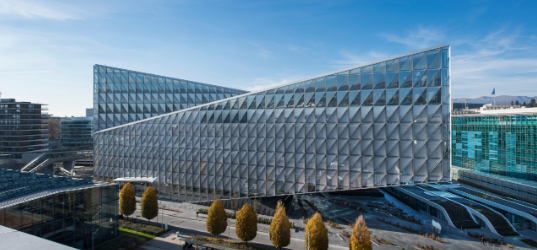
The JTI Maroc operations director emphasized how this visibility contributed to JTI’s investment plan amounting to $100 million to contribute to the country’s self-sufficiency through the substitution of imports with local manufacturing and the “made in Morocco” label.
“We are looking forward to keeping the same operating environment in the future, allowing us to efficiently contribute to the authorities’ objectives,” he added.
Earlier this month, there were reports indicating another increase in cigarette prices this year, with entry-level brands set to have the biggest hikes.
Some packs will witness an increase of up MAD 2, with the government stressing that the change is part of its ambition to narrow the gap between low-cost and premium cigarettes to create a more balanced market.
Nuneski’s insights
Nuneski has served in several roles in the industry, starting in the Adriatic Contract Manufacturing Agreement factories, and leading operations in multiple regions.
His past experiences have not only significantly enhanced his expertise in the field, but they have helped him adapt, learn new cultures, and immerse himself in diverse environments. His journey has so far been one of “countless opportunities” to learn, grow, adapt, and impact, he argued.
Of his current role at JTI, Nuneski hailed the company’s “strong, and inclusive corporate culture” and said he is satisfied with what the firm has been offering him in terms of experiences and compensations.
The company’s culture “enhances clarity, efficiency, and consistency by defining roles, streamlining workflows, and ensuring reliable processes,” he said, adding that it also promotes collaboration and supports professional growth while fostering a healthier working environment.
He also appreciated how the company endorses support, self-development, empowering employees, and more.
“My personal approach is perfectly in line with JTI’s philosophy and revolves around enabling people to excel in their roles. I focus on supporting them, training them, and equipping them with the tools they need to develop both personally and professionally, ensuring that we all grow together with the company,” Nuneski added.
Key challenges
Every sector faces challenges, and for Nuneski, bringing life to the new factory in Tetouan is proving to be a formidable challenge in itself.
The factor, whose instruction started in July last year, requires necessary procedures to ensure the facility’s success.
The company aspires to see the factory become operational by the end of 2025, but this would require the implementation of all necessary policies, like hiring and training the right people, among several other procedures to enable the factory to launch production.
One of the factory’s goals is its commitment to building an “environmentally friendly factory,” to reduce energy consumption to minimize CO2 emissions.
“The most challenging aspect in our journey so far is probably about driving a cultural shift around safety,” Nuneski said, adding that JTI considers safety as a priority and a fundamental pillar at the firm.
But this would also require consistent effort, with no compromise.
“Ensuring that every individual understands and embraces these standards has been one of the most vital and fulfilling parts of the journey,” he said, noting that one of the priorities for the company is to also adapt to the local culture and respect traditions while upholding the company’s processes and way of working.
“Collaborating with Moroccan authorities has been instrumental to our success,” he said. “The support from organizations like the Ministry of Investment, the Ministry of Industry and Commerce, Tanger-Tétouan-Al Hoceima CRI, AMDIE, ANAPEC, along with several other local and central authorities, has been invaluable in navigating this journey, helping to make it as smooth as possible.”
Navigating cultural nuances is key in this regard, Nuneski suggested, citing Morocco’s cultural diversity. He also emphasized the importance of always finding the right balance by embracing all that makes the country unique, including its traditions, and values, while also aligning this with the company’s goals and standards.
Like many high-ranking corporate representatives working in Morocco, Nuneski hailed the quality of the local expertise and reliability of the highly skilled workforce and producers that Morocco offers.
Acknowledging differences between every market he has operated in, Nuneski stressed how approaches should take into account patience and eagerness.
“Some situations demand a more direct approach, particularly when clarity is essential, while others require a softer, more patient touch to build consensus and align objectives,” he said, adding that it is essential to not “have preconceived notions about the people or the environment.”
Nuneski is all aware that working in countries like Morocco and others in the MENA region requires an understanding of how global standards should be blended with local realities.
“It’s a country where balance truly matters—finding harmony between corporate policies and cultural sensitivity is not just beneficial but necessary for long-term success,” he emphasized.
Nuneski holds a PhD in agronomy. Despite this achievement, the JTI Maroc director believes that people should never stop learning and exploring new technologies and innovative strategies.
“Also, at the end of the day, we are working with tobacco, which is a plant. Knowing the product you’re working with is fundamental. For me, this goes beyond technical expertise,” he said.
To his mind, understanding the product at its core enables him to align production processes with the highest standards of quality, performance, and sustainability.
Standards and empowerment
According to Nuneski, JTI’s standards focus on training people, and equipping them with knowledge and skills to ensure they understand their tasks.
“We emphasize standardized processes and systems, ensuring consistency and efficiency throughout production. By aligning everyone with these standards, we build a solid foundation for success,” he said.
Nuneski also commended the robust quality assurance system applied in the company, which is paired with production machines that ensure that the product coming out of the factory matches the exceptional standards of the JTI facility across the world.
The company also focuses on prioritizing environmental and sustainability practices, by introducing comprehensive awareness programs to instill an understanding of sustainability among the company’s employees. “This commitment extends to the design of the Tetouan facility itself, where we’ve integrated energy-efficient technologies, effective water waste management systems, and even solar energy solutions,” he said.
He also reiterated the company’s commitment to using high technology in all of its factories, including at the Tetouan facility.
“The same high-quality materials we use in Germany, Turkey, and Switzerland, for example, are also going to be used here,” he said, noting that this ensures that products are produced in all facilities and reflect the same quality and standards that define the company.