


 Join on WhatsApp
 Join on Telegram
Rabat — Prisons across Morocco are experiencing a series of outbreaks, and it’s not inmates.
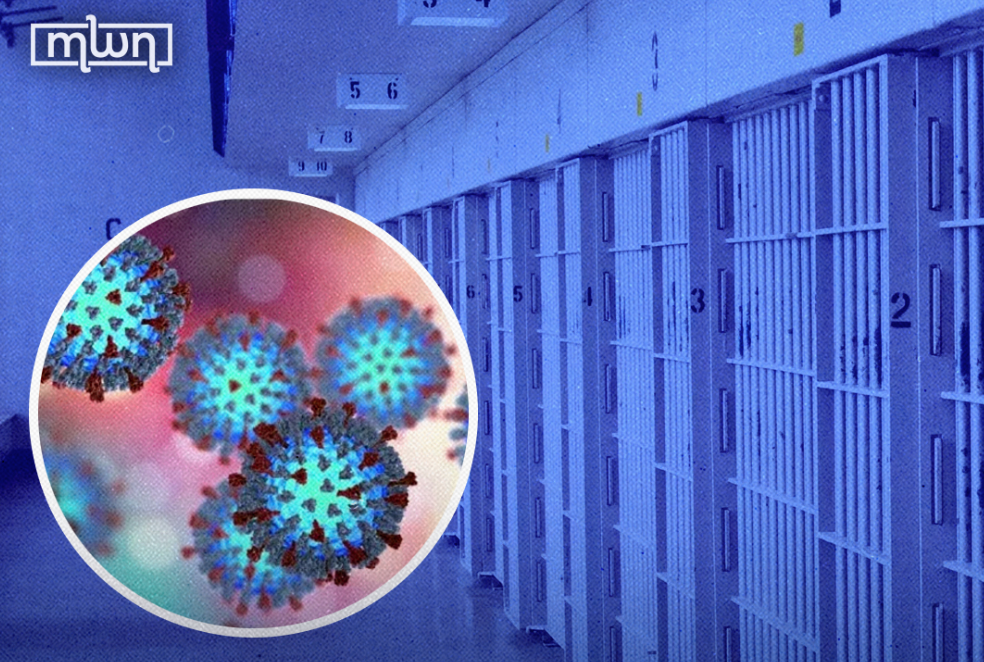
A measles outbreak has ravaged prisons across Morocco, with nearly 80 inmates infected, including children and staff. The General Delegation for Prison Administration and Reintegration announced the news, sparking concerns over health and safety behind bars.
The outbreak, as of January 15, has affected 79 inmates, including seven minors, two women, and one child living with his mother in prison. Officials say 27 people have recovered after receiving treatment.
The infections hit several facilities. Tangier local prison reported the highest number with 25 cases. Of those, 24 are in isolation, and one is in hospital care. Ain El Borja prison in Casablanca has six cases, with five in isolation and one hospitalized. Other prisons, including Mohammedia, Arjat 1, and several smaller facilities, have reported smaller numbers of infections.
The virus has not spared prison staff either. Seven employees, including a doctor, have also tested positive. They are now following the same health protocols as the inmates.
Prison authorities are scrambling to contain the outbreak. So far, they have vaccinated over 11,600 inmates and 332 employees. These vaccinations are voluntary and handled by regional health workers.
Officials insist that drastic measures are in place to contain the virus and stop it from spreading further.
Read Also : 78% of Moroccans Hopeful About 2025, Survey Shows
Last Monday, Morocco’s health ministry said that it is now giving measles vaccines to adults. Before, only children under 18 could get it.
Dr. Mohamed Benazzouz, who runs the vaccination program, said health centers across the country are now open to adults who want to take the measles jabs. Adults, however, need to bring their health records to help doctors check if they missed a vaccine dose when they were children.
Doctors are focusing on vaccinating healthcare workers first who are at the forefront and in constant contact with the sick.
Getting the vaccine is voluntary, but it’s important. The goal is to stop measles from spreading and to protect vulnerable people.
Measles spreads fast, but it’s easy to prevent with vaccines. Health officials are encouraging everyone to get vaccinated to protect themselves and their families.


