


Rabat – Preliminary data from Frontex, the European Border and Coast Guard Agency, shows that irregular border crossings into the European Union (EU) fell sharply by 38% in 2024, reaching their lowest levels since 2021.
A total of just over 239,000 detections were recorded last year, the agency revealed, noting that the largest drops were reported on the Central Mediterranean and Western Balkan routes, with crossings falling by 59% and 78%, respectively.
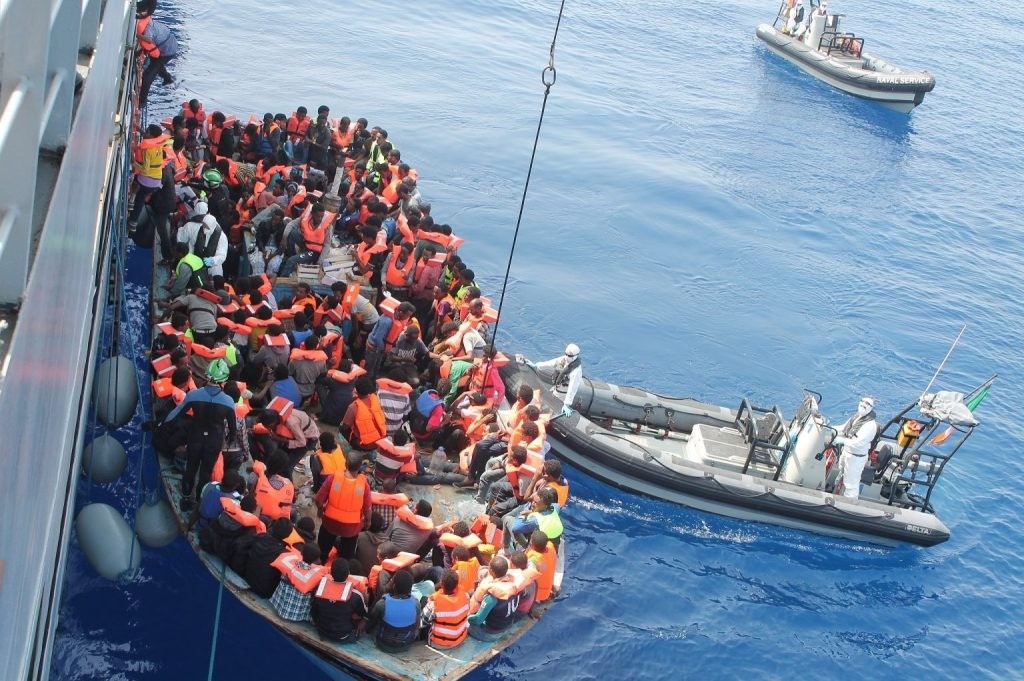
The Central Mediterranean route experienced a sharp 59% drop in crossings, primarily due to fewer departures from Tunisia and Libya. Despite this decline, it remained one of the busiest routes, with 67,000 crossings recorded.
The Western Balkan route showed the most significant drop, with detections falling by 78%. Frontex attributed this sharp decline to regional efforts to manage and reduce migration flows effectively.
However, the Eastern Mediterranean route saw a 14% increase in crossings, reaching 69,400. This rise was linked to new corridors from eastern Libya, with most migrants originating from Syria, Afghanistan, and Egypt.
The Western Africa route to the Canary Islands recorded an 18% increase in arrivals, with nearly 47,000 migrants reaching the islands. This was the highest figure since Frontex began collecting data in 2009, driven mainly by departures from Mauritania.
Read also: Algeria Expelled Record of 31,404 Migrants to Niger in 2024 Amid Global Uproar
Meanwhile, the Eastern Borders route saw a threefold rise in crossings, particularly along the borders with Ukraine and Belarus. Similarly, attempts to cross the English Channel into the UK rose by 9% compared to 2023.
The share of women among migrants remained steady at just over 10%. Of these, 62% entered via the Eastern Mediterranean route, with the majority coming from Syria and Afghanistan. Meanwhile, the proportion of minors among migrants rose to 16% in 2024, up from 13% the previous year.
The report noted that despite the overall decline, challenges persist. “Smuggling networks adapt to new circumstances, and migration flows can shift quickly,” Frontex said.
For example, smugglers have become increasingly violent along the Western Balkan route, it said, adding that instability in regions such as the Sahel also continues to push people towards Europe.
Sea crossings remain the most dangerous routes. According to the International Organization for Migration (IOM), over 2,300 people lost their lives attempting these dangerous journeys in 2024.




