 Join on WhatsApp
 Join on Telegram
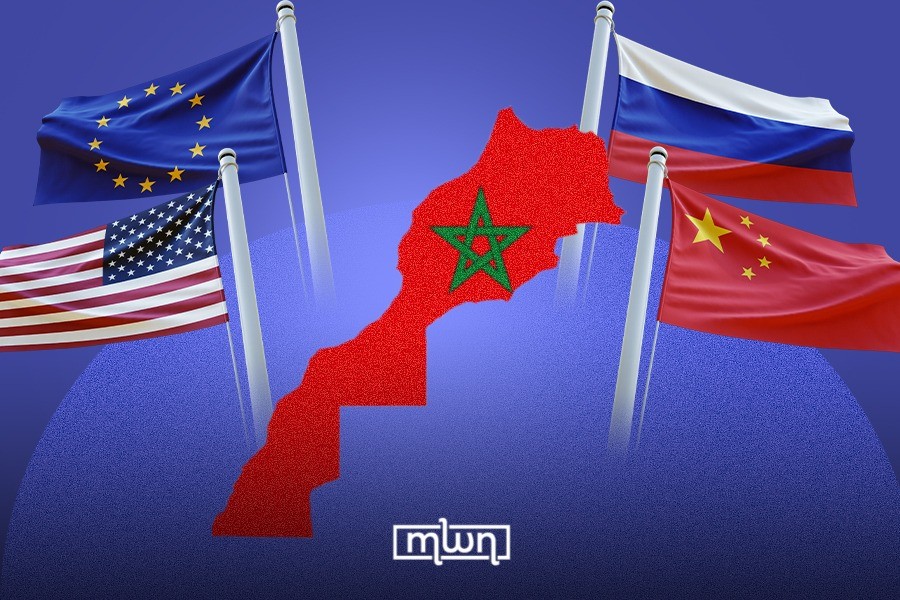
Doha – A recent analysis published yesterday by The Washington Institute for Near East Policy suggests that the European Union’s recent court ruling on trade agreements with Morocco could inadvertently push the North African country closer to Russia and China, potentially undermining Western interests in the region.
The October 4 ruling by the Court of Justice of the European Union (CJEU) annulled EU-Morocco trade agreements on fisheries and agricultural products due to their inclusion of Western Sahara territory without proper local consent.
According to the analysis, this judicial decision conflicts with growing political support for Morocco among EU member states.
“The ruling places judicial obligations on the EU that could contradict the deepening political and economic ties that many member states have established with Morocco,” writes Souhire Medini, a visiting fellow at The Washington Institute.
Despite the court’s decision, European leaders have rushed to reassure Morocco of their continued support.
European Commission President Ursula von der Leyen and former High Representative Josep Borrell jointly stated that “the EU firmly intends to preserve and continue strengthening close relations…in all areas of the Morocco-EU Partnership.”
The analysis highlights that both Russia and China have been quietly expanding their interests in Morocco, particularly in Western Sahara.
Russia has recently renewed a four-year fishing agreement with Rabat, while China is pursuing investments in Saharan green hydrogen projects through a 2023 memorandum of cooperation with Morocco’s Gaia Energy Company and Saudi firm Ajnan Brothers.
Read also: Morocco-EU Deals: Ideology, Politics Dictate EU Court’s Latest Ruling
The report also addresses the potential impact of former US President Trump’s expected return to office, suggesting it could lead to increased American investment in Western Sahara.
However, it notes that “any spike in U.S. economic ties will necessarily be limited by the fact that the EU is Morocco’s largest trade partner and foreign investor by far.”
To resolve the current impasse, the analysis recommends implementing “a more robust consultation process with the people of the Western Sahara to make trade agreements acceptable to the CJEU.”
It also emphasizes the importance of pushing for a clearer UN resolution process in coordination with Morocco.
The timing could be crucial, as Morocco approaches the fiftieth anniversary of the Green March this November, marking King Hassan II’s historic demonstration of sovereignty in Western Sahara following Spanish withdrawal.
The analysis concludes that resolving this issue under UN oversight is vital for maintaining Morocco’s alignment with Western partners and preventing increased influence from Beijing and Moscow in the region.