


 Join on WhatsApp
  Join on Telegram
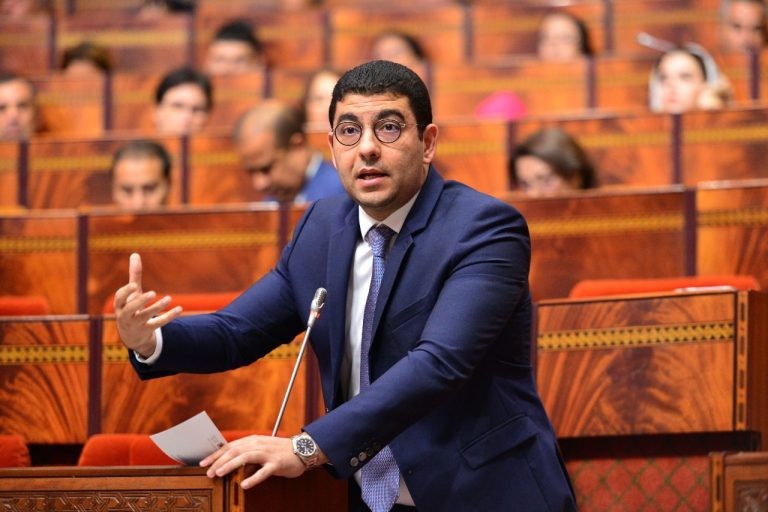
 Rabat – Morocco has achieved notable growth in media pluralism and freedom of expression over the last two decades, according to Minister of Youth, Mohamed Mehdi Bensaid.
Speaking before parliament on Monday, Bensaid noted the evolution of the Moroccan media landscape, which now includes 988 online platforms, 275 newspapers, and 106 international journalists operating within the North African country.
The minister referred to these figures as evidence of Morocco’s democratic progress.
“The press in Morocco alternates between supporting and criticizing the government, which reflects the advancements we have made in democracy over the past twenty years,” he said.
Bensaid addressed the growing influence of social media while urging a distinction between traditional journalism governed by law and the unregulated world of online platforms.
He described social media as a public space akin to the “streets,” where valuable information coexists with defamatory content targeting public figures and private citizens alike.
“The law provides protection for any citizen who seeks justice when subjected to insults,” he said.
He also pointed out that issues tied to social media are not exclusive to Morocco but are part of a broader international debate. Many countries, he said, are adopting measures to deal with challenges ranging from ethical concerns to child safety in the digital world.
He cited Canada and the EU as examples of nations that have successfully navigated similar challenges.
Parliamentary voices demand action
In response, the socialist MP, Aicha El Karji, criticized the government for excessive spending on communication and social media strategies, describing its approach as unsustainable.
“The government has broken records with its spending in this area, yet it risks running into a wall,” El Karji said.
She proposed diverting some of these funds toward the creation of credible platforms or a dedicated observatory to counter misinformation on social media. She also suggested allocating resources for psychological support and communication training for government officials.
“Ministers must learn to handle criticism online and adopt a more open mindset,” she remarked.
She also spoke on the challenges faced by those engaged in cultural or parliamentary diplomacy, who often find themselves in uncomfortable situations due to the global interconnectedness brought about by AI and social media.
“The world has become a small village, and this poses new risks and responsibilities,” she warned.
Authenticity and Modernity Party also echoed the call for greater support for journalists and media professionals, noting the need to boost diversity in expressions of freedom, particularly on social media platforms.
They called for a review of the legal framework governing journalism, suggesting reforms to regulate freedom of expression in the digital space. “It is vital to provide proper oversight for journalistic practices on social media.”
Yet, has Morocco truly achieved meaningful progress in freedom of speech, or is it merely a façade supported by statistics and political rhetoric?
In his comments on Monday, Bensaid insisted that the proliferation of media platforms and the increased presence of international journalists point to the establishment of a more pluralistic environment in Morocco.
Yet critics have argued that these developments mask underlying challenges, such as the regulation of social media, limitations on independent voices, or the potential gap between legal frameworks and actual practice.
In such a context, many have questioned whether the reported growth in journalism and democratic discourse is indeed reflective of genuine freedom of expression.
Read Also:


