
Casablanca – The first edition of Green Impact Expo & Summit 2025 (GIES2025) kicked off today in Casablanca.
The inauguration of GIES2025 brought together experts, government officials, and business leaders from the green mobility sector.
In an interview with Morocco World News (MWN), FTL-CGEM President Abdelilah Hifdi spoke of the critical timing of this summit, pointing to transportation’s role as a key challenge in Morocco’s sustainability agenda.

Abdelilah Hifdi, President of FTL-CGEM
“Transportation currently represents a significant environmental challenge, consuming 40% of Morocco’s total energy and accounting for nearly 25% of greenhouse gas emissions,” Hifdi told MWN.
The innovative event aims to mark a profound shift in Morocco’s transport sector, particularly aligning with the National Sustainable Development Strategy.
Of the significance of GIES2025, Hifdi argued that Morocco’s “current mobility system is far from sustainable, with road transport almost entirely dependent on fossil fuels,” making this “summit represents our commitment to transforming this reality.”
The GIES2025 serves as a platform for bridging the gap between renewable energy initiatives and the transport sector, focusing on developing cleaner, safer, and more sustainable mobility solutions.
For her part, the Automotive Industry Leader at the Moroccan Ministry of Industry and Trade Ayda Fathi spoke of Morocco’s dedication to energy transition.
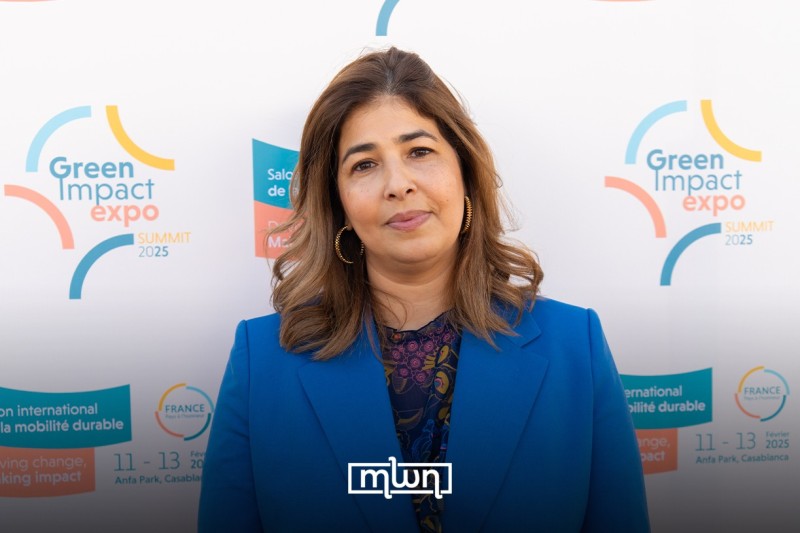
“Morocco is resolutely committed to this energy transition under the enlightened vision of His Majesty King Mohammed VI,” Fathi said, adding that the country “has demonstrated its competitiveness and ability to develop a high-performing automotive ecosystem covering the entire value chain.”
Read also: Morocco, A Success Story in Sustainable Development
In a video-recorded keynote address to GIES2025 participants, Morocco’s Minister of Energy Transition and Sustainable Development Leila Benali emphasized the critical role of sustainable transport in Morocco’s energy transition.
“The transport sector is both highly energy-intensive and a major greenhouse gas emitter in Morocco, consuming over 36% of the country’s final energy, with more than 99% dependence on fossil fuels and accounting for 23% of greenhouse gas emissions,” she noted.
Benali also mentioned Morocco’s progress in sustainable mobility infrastructure, noting: “We now have 150 charging points across the Kingdom, covering more than 1,200 kilometers, including 100% Moroccan innovations.”
She further outlined key policy measures, including “tax exemptions for electric and hybrid vehicles and the implementation of Euro 6 standards since January 2022.”
The summit features France as the guest of honor, building on the strong Franco-Moroccan partnership in sustainable development, reflecting commitments made during COP21 and later reinforced at COP22 in Marrakech.
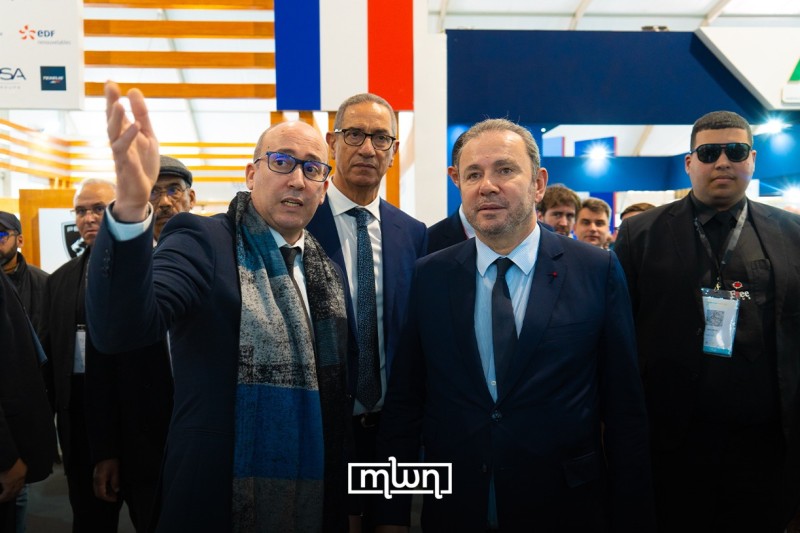
Hifdi referenced the renewed relationship between Morocco and France, citing the shared vision of President Macron and King Mohammed VI in writing “a new chapter” in bilateral relations.
Like the FTL-CGEM president, many GIES2025 participants agreed that the platform is an inspiring initiative for African countries to follow Morocco’s lead in green, sustainable mobility and decarbonization.
Read also: Morocco Continues to Strengthen Focus on Renewable Energy for Sustainable Growth
Nganga Henri, President of the Cameroon Transport Union Federation and Chairman of the High-Level Group (GNH) for Transport and Road Safety in the CEMAC zone, was full of praise for Morocco’s initiative.
“This Green Impact Expo is a truly professional and impeccable organization,” Nganga told MWN, noting that it “is crucial for encouraging African countries to renew their automobile fleet with renewable energy solutions and hybrid transport to protect our environment for future generations.”
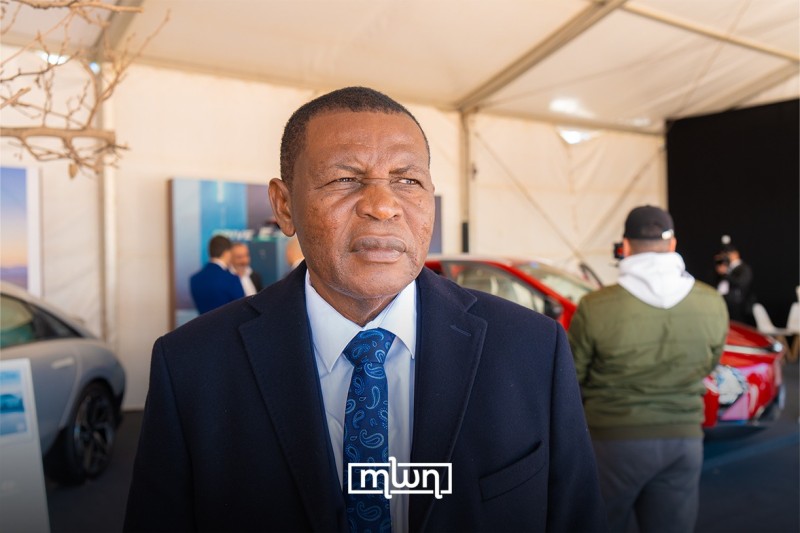
The GNH chairman stressed the importance of expanding Morocco’s South-South cooperation strategy beyond West Africa to include Central African nations.
“We want to benefit from Morocco’s expertise in improving transport and mobility in our sector. We’re looking to Moroccan partners to help transform transportation in Cameroon, making mobility more fluid and professional,” he stressed.
The summit’s afternoon program featured four key sessions addressing crucial aspects of sustainable mobility.
The main agenda began with a strategic discussion on transport decarbonization, followed by a specialized workshop on skills transition for sustainable mobility, focusing on preparing businesses and talent for future challenges.
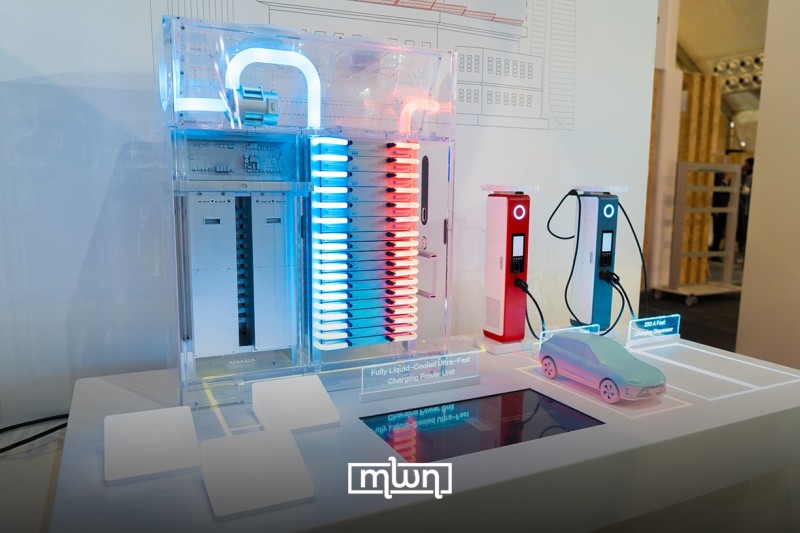
A second Agora session explored the transformation of public mobility infrastructure and services across territories, while the day concluded with an Ayvens workshop sharing global insights on the transition to electric mobility.