Rabat– The National Office for Food Safety (ONSSA) has reassured Moroccan consumers about the health of the country’s livestock following concerns over the safety of red meat.
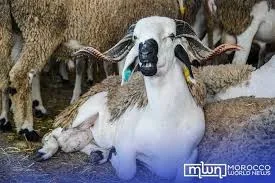
The controversy erupted when a breeder claimed that the meat from these animals contains a harmful antibiotic. The video, which circulated on social media, stated that the livestock requires a waiting period of about two months before consumption.
In response to these claims, ONSSA issued a statement confirming that the national livestock is in good health and is regularly monitored throughout the year by veterinary services, both public and private, in cooperation with local authorities.
ONSSA asserted that the use of veterinary medicines, including prescriptions and their administration, is strictly regulated. These practices are reserved for licensed veterinarians, who provide them after making a precise diagnosis and determining the appropriate treatment.
Regarding vaccines, ONSSA clarified that these are biological substances designed to protect animals from diseases and strengthen their immunity, posing no risk to human, animal, or environmental health. The vaccines are exclusively administered by the office’s veterinary services and private veterinarians as part of animal disease prevention programs.
The national food regulator explained that antibiotics are only used in specific cases and only when necessary, under veterinary prescription after a diagnosis of illness. It added that these antibiotics are never administered preventively.
ONSSA further said it is affirming its commitment to food safety by implementing an annual nationwide program that monitors veterinary drug residues, including antibiotics, in meat destined for consumption. The program involves thorough sampling and analysis in ONSSA laboratories, with results consistently showing no traces of veterinary drug residues in the meat.
The animals destined for consumption undergo rigorous daily health checks in the country’s slaughterhouses, supervised by veterinary inspectors. This inspection includes verifying the potential presence of traces of veterinary drug injections.
After all these tests, the meat is stamped and allowed to leave the slaughterhouses only if it meets health and safety standards.
Morocco has officially canceled Eid Al Adha, the Islamic ritual sacrifice of cattle, due to the ongoing drought crisis and attendant challenges that have negatively impacted Morocco’s agriculture seasons and the country’s entire economy for the past six years.
Minister of Islamic Affairs Ahmed Toufiq announced the news in a televised message, stating that the announcement is in line with King Mohammed VI’s directives.