
 Join on WhatsApp
 Join on Telegram
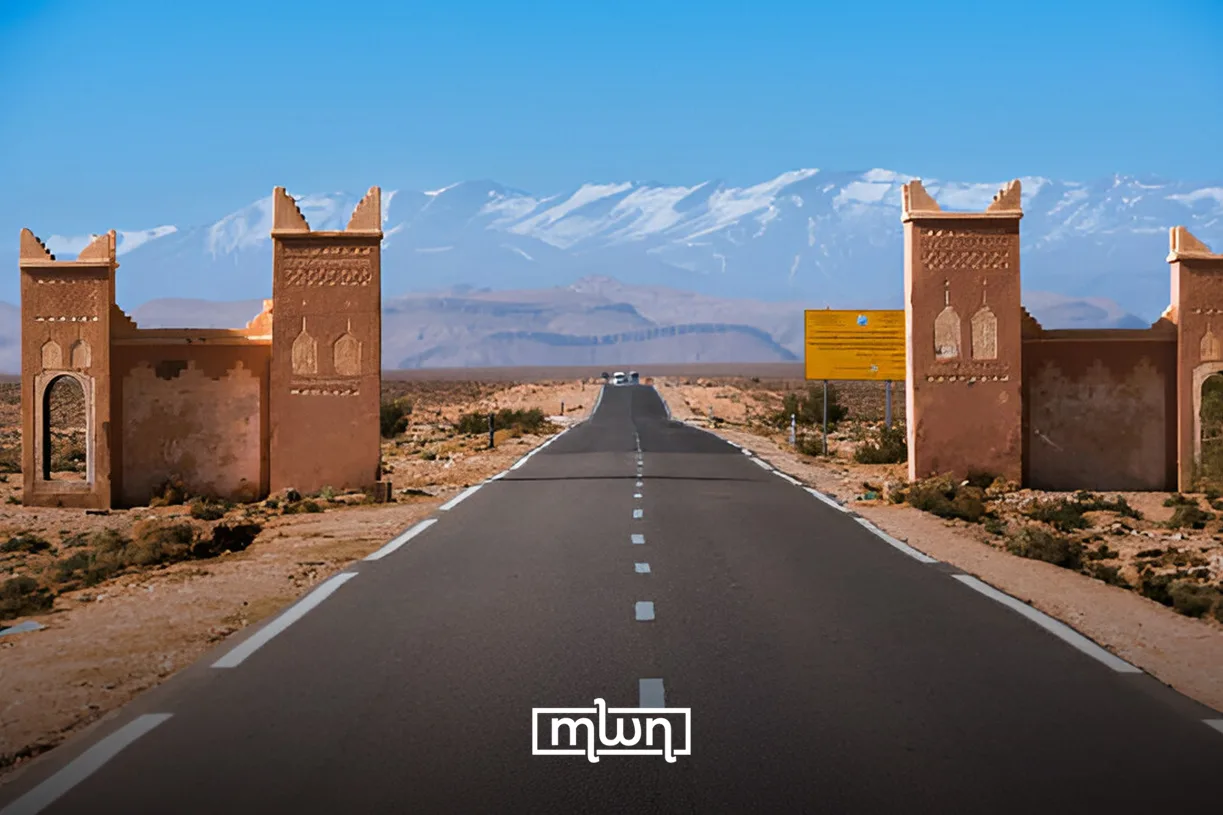
Marrakech – Deep in the southeastern heart of the country, Drâa-Tafilalet sprawls between the snow-capped Atlas and the sands of the Sahara like a forgotten chapter of a book you didn’t know you needed to read.
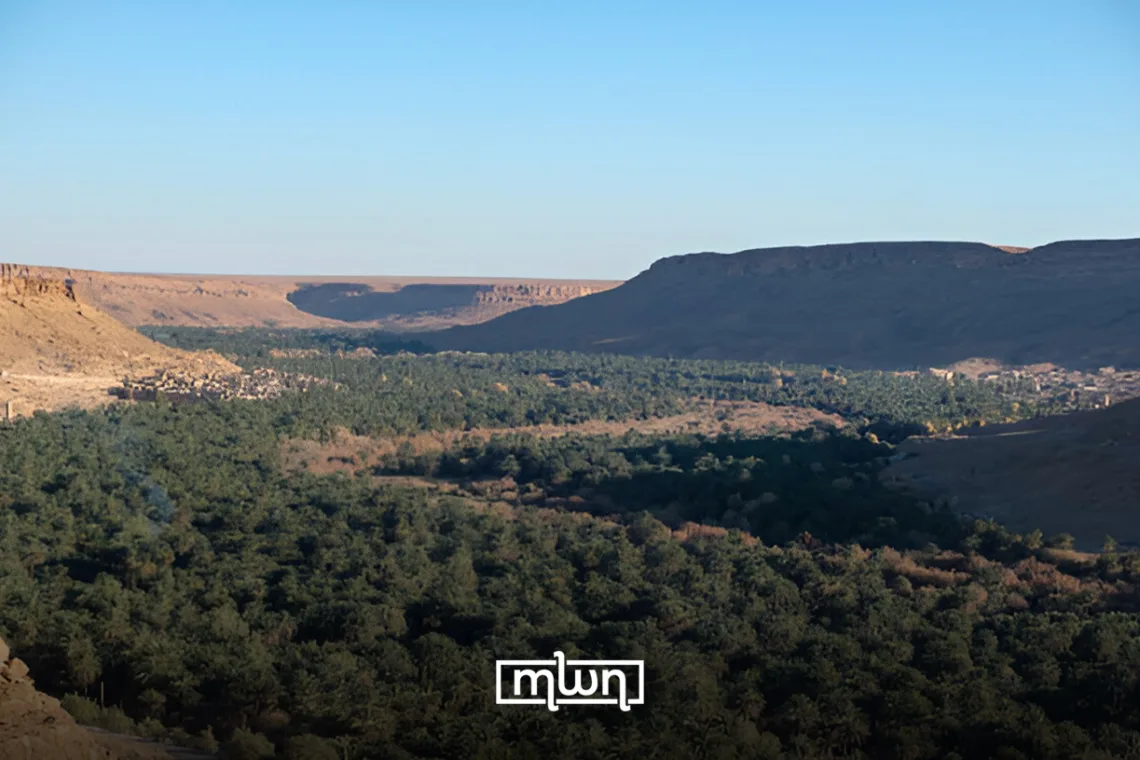
Here, the landscapes are not just beautiful — they are breathtaking, the kind of beauty that stops you mid-thought.
The light shifts with the time of day, casting kasbah walls in gold by afternoon and purple shadows by dusk.
And while the views alone are enough to leave anyone spellbound, it’s the stories — etched in mudbrick fortresses, hummed through Amazigh melodies, and simmered in spiced camel meat tagines — that make this place unforgettable.

The desert doesn’t just stretch — it lives.
In Drâa-Tafilalet, life means movement.
For centuries, nomadic Amazigh tribes crisscrossed these landscapes, navigating by stars, carrying salt, gold, and dates across Sahara trade routes.

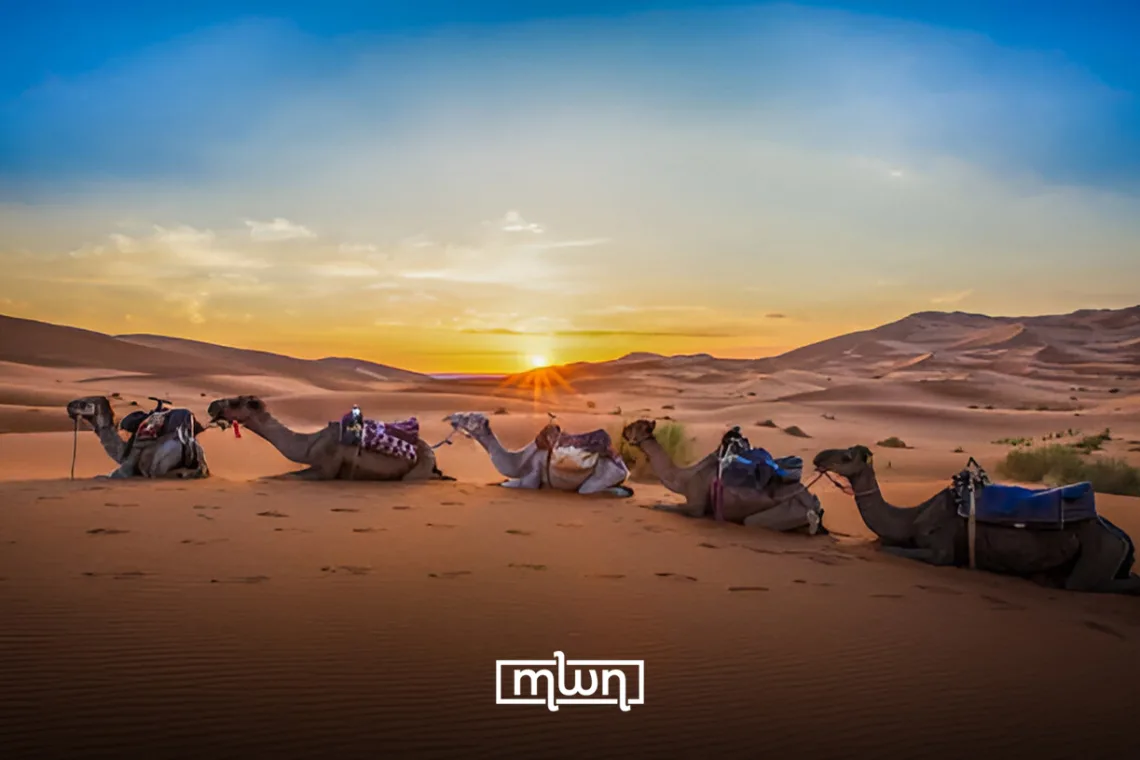
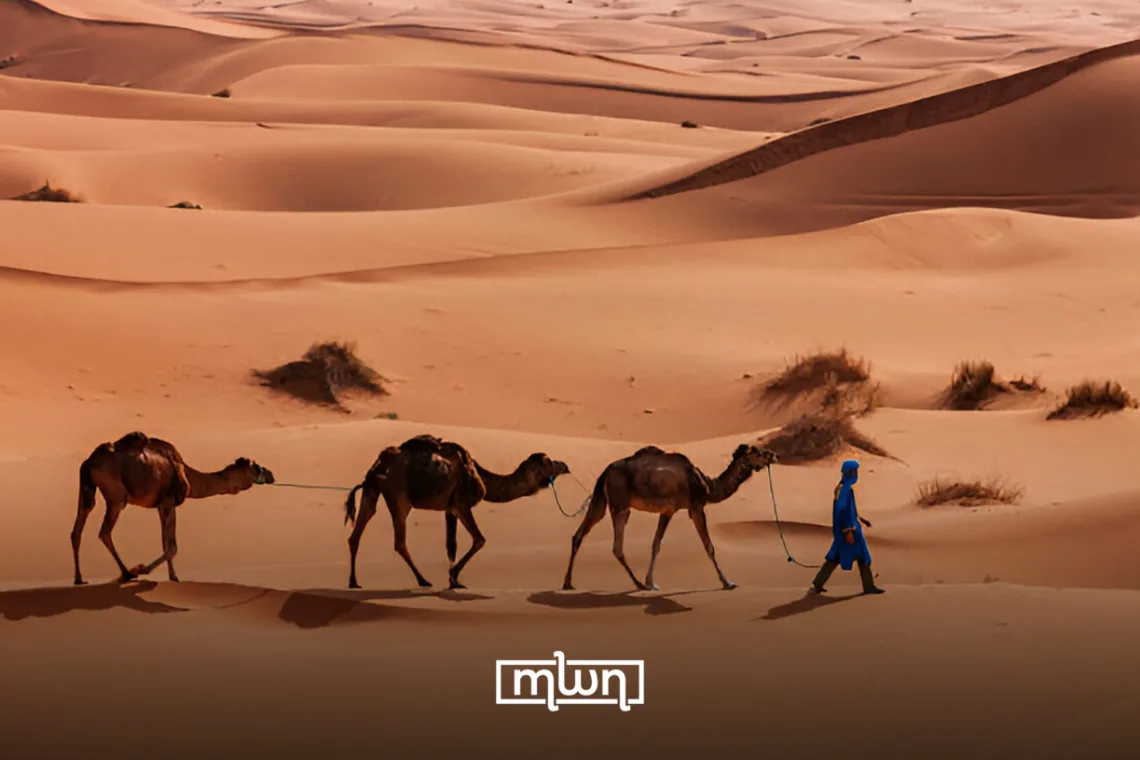
Today, their spirit lingers in camel treks across the dunes, and in the hospitality of locals who still speak the language of the desert — silence, rhythm, and storytelling.
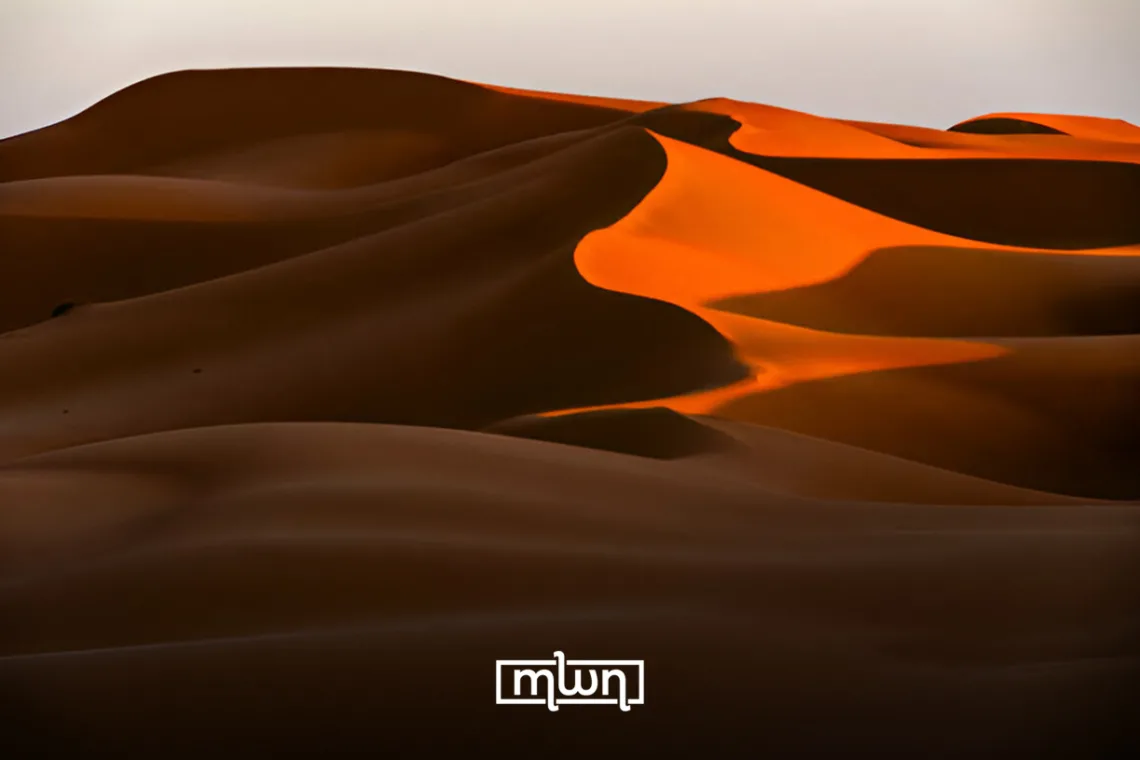
The Erg Chebbi dunes near Merzouga rise like honey-colored waves under the blazing sun.
As the camels sway with slow patience, time seems to melt.
In the distance, the wind hums through palm groves, where oasis villages bloom out of nowhere — green veins in an otherwise golden world.
The smell of earth, sun-warmed date trees, and wood-fired bread mingles with the dry desert air.
Oases like those in Zagora, Tamegroute, and Nkob are more than just pit stops; they are microcosms of ancient survival.
With palm trees arching over irrigation canals and mudbrick homes nestled between gardens, life in these oases thrives on centuries of ingenuity and harmony with nature.
Then come the kasbahs — majestic, weather-worn, and fiercely proud.
No visit to the region feels complete without standing before the famous Aït Benhaddou, a UNESCO World Heritage Site and perhaps Morocco’s most cinematic village.
Its ksar, a fortified village of clustered earthen buildings, seems carved directly from the red hills that cradle it.
It’s no surprise filmmakers have flocked here— this kasbah has played the backdrop for everything from Gladiator to Game of Thrones.
But long before the cameras, it was a vital stop on the caravan route connecting the Sahara to Marrakech.
Nearby, Tamnougalt quietly waits. Overlooking the Drâa River, this lesser-known but equally spellbinding kasbah once served as the seat of the powerful Mezguita governors.
Its mudbrick towers, some crumbling and others restored, tell tales of power, protection, and community life.
Visit during the annual Moussem Ellama, and the village pulses with music, prayer, and celebration — an echo of how deeply rooted faith and festivity are in this land.
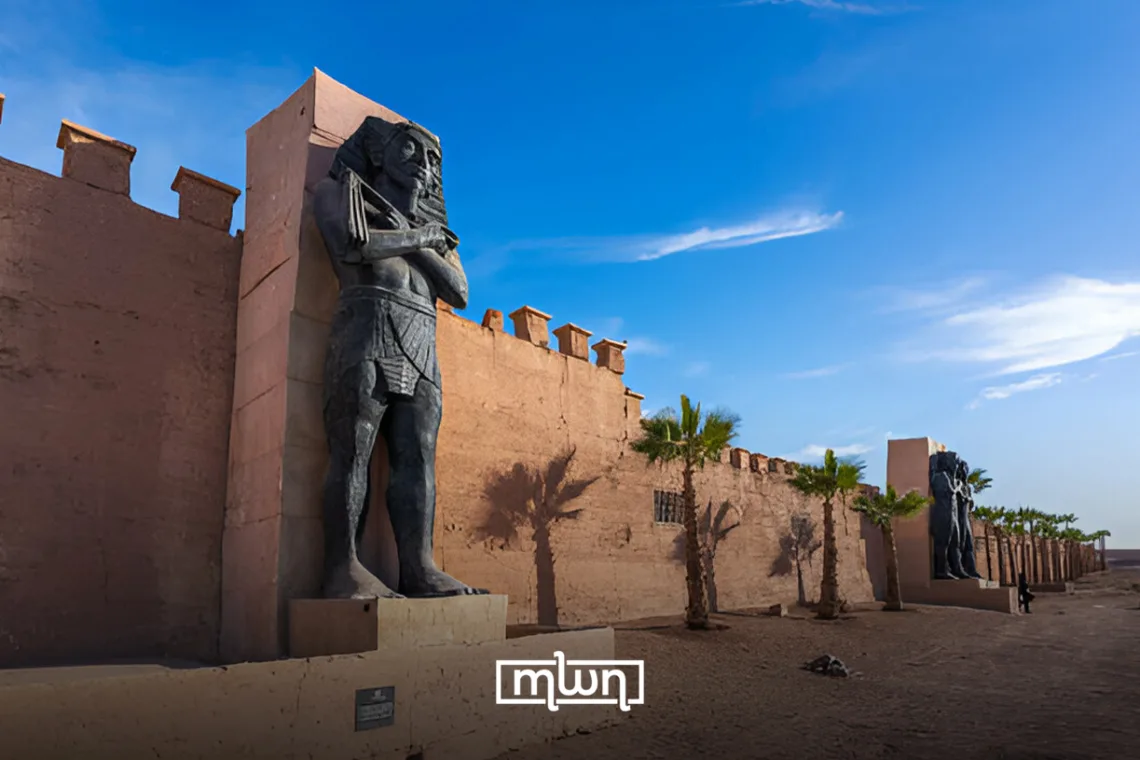
Music in Drâa-Tafilalet isn’t something you find in cafes or souvenir shops — it’s in the air.
On quiet nights, near campfires under a sky full of stars, locals beat the bendir drum and sing songs in Tamazight, their native tongue.
These are not just performances; they are shared rituals, oral histories kept alive through rhythm and voice.
From the “ahwach” dances of the valleys to the soul-stirring Gnaoua trance rhythms brought by sub-Saharan influence, music is how the region remembers who it is.
The blend of Amazigh identity, Islamic devotion, and Saharan movement has shaped an artistic tradition that is as layered as its landscapes.
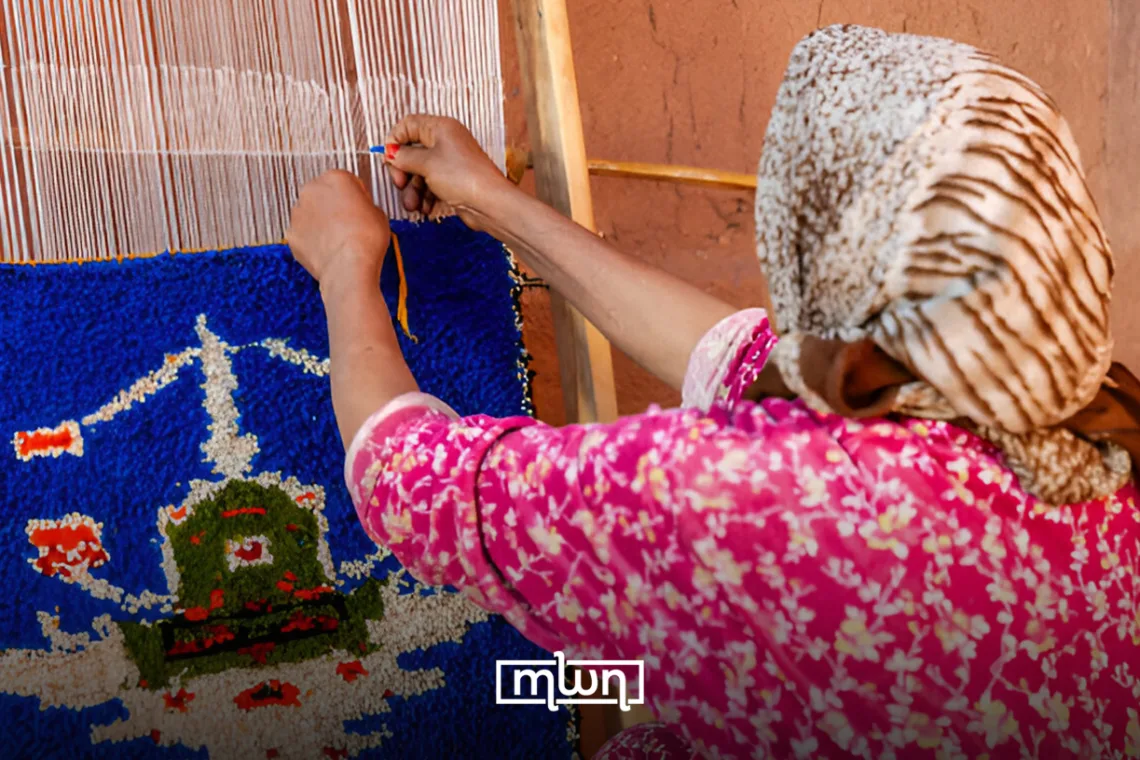
Instruments are handmade, rhythms are inherited, and lyrics often speak of love, loss, land, and the journey between them.
Just like its music, the cuisine of Drâa-Tafilalet is shaped by geography and tradition — spare yet rich, modest but unforgettable.
Take Madfouna, sometimes called the “Berber pizza.”
A flatbread stuffed with seasoned meat (often lamb or beef), onions, spices, and boiled eggs, it’s baked underground, sealed by hot sand and coal.
The method may sound ancient—because it is.
Originally cooked by nomads while on the move, it reflects the adaptability and inventiveness of desert dwellers.
Then there’s camel meat — a true delicacy.
Rich, tender, and often slow-cooked in tagines with prunes, saffron, and almonds, it’s served on special occasions or in certain local restaurants, where tradition matters more than trends.
The flavors linger — smoky, earthy, and deeply tied to the land itself.
Sip a cup of desert mint tea, and you’ll understand why time slows down here.
Every step of the tea-making process is an act of hospitality, served with dried fruits, nuts, and often dates harvested just down the path.
Drive farther south, and you’ll arrive in Tamegroute, a village whose legacy runs deeper than its dusty streets suggest.
For centuries, Tamegroute was a hub of religious scholarship and Sufi spirituality.
Its ancient library, hidden behind unassuming walls, holds handwritten manuscripts — some over 900 years old — on topics ranging from theology to astronomy.
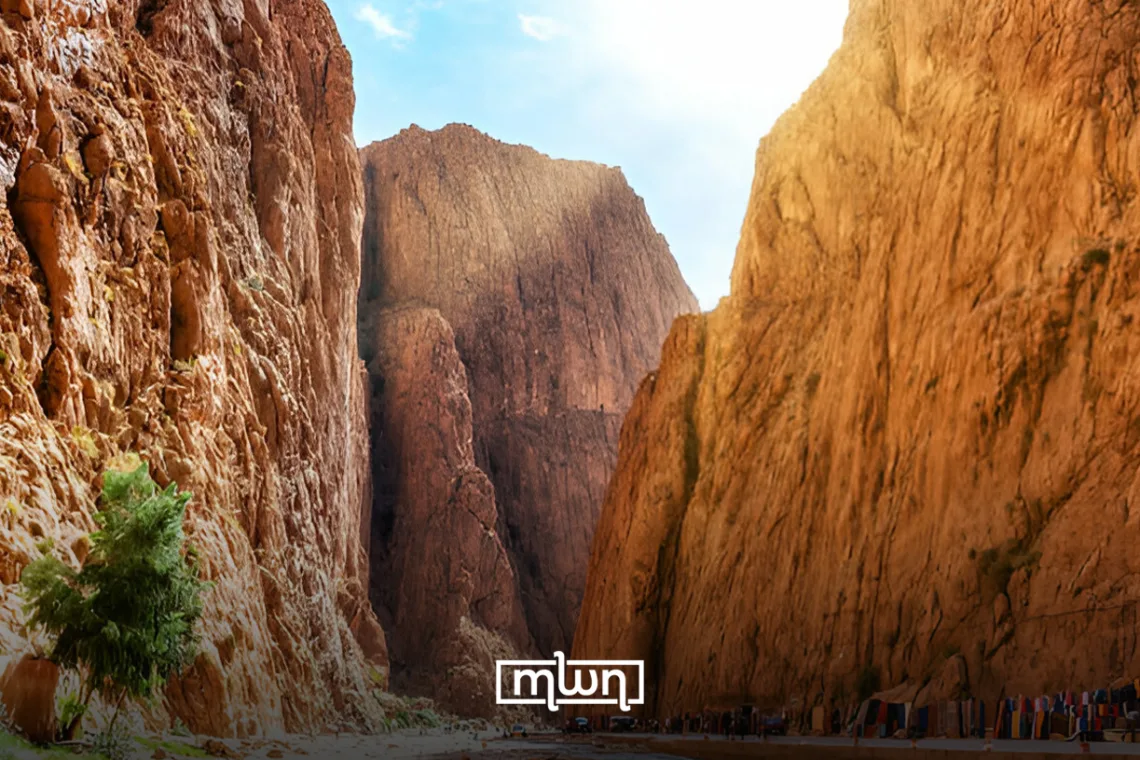
The village’s zawiya, a spiritual lodge, continues to draw pilgrims and visitors seeking peace or prayer.
But Tamegroute is also known for its distinctive green pottery, fired in kilns using traditional methods and glazed with a copper-rich finish.
Each piece — whether a bowl, lantern, or tajine — carries not just function but heritage.
As the day fades, and the desert shifts from burning gold to soft indigo, the true magic of Drâa-Tafilalet reveals itself.
Sunsets here are sacred, best watched from atop a dune or a kasbah terrace.
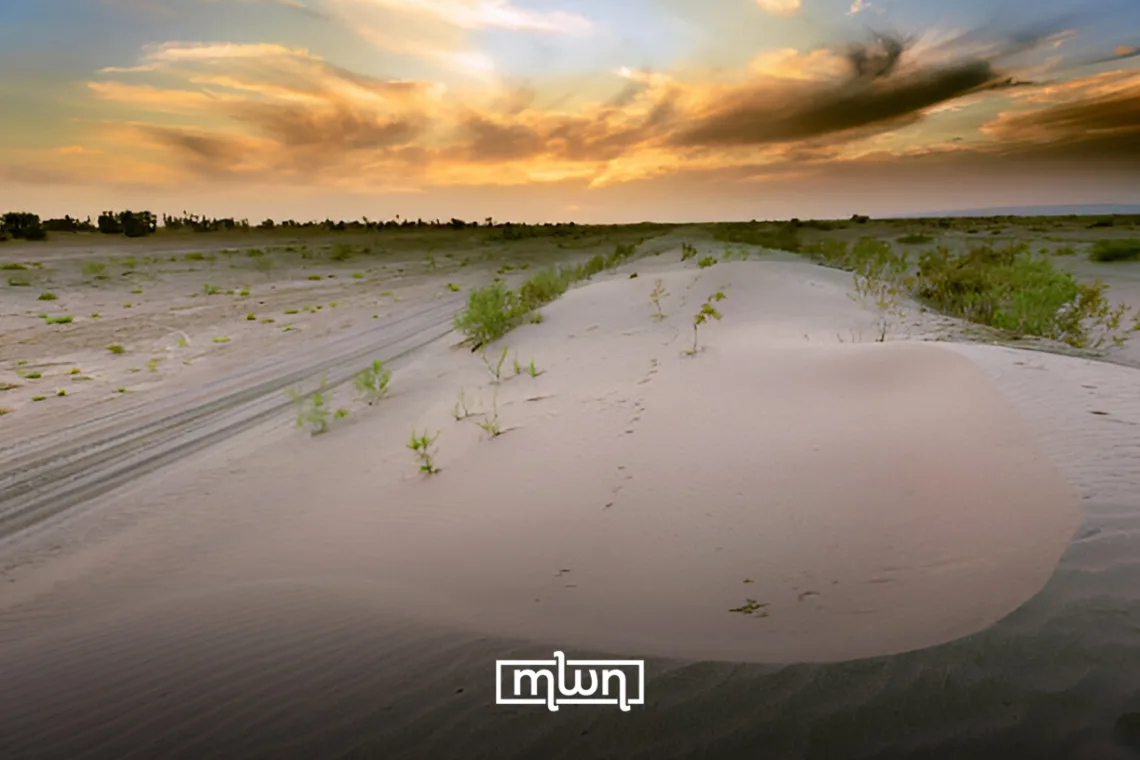
The call to prayer echoes faintly, the tea is still hot, and the stars — uninterrupted by city light — begin to spill across the sky like stories waiting to be told.
In that stillness, you feel it — the pulse of the region. Not loud, not modern, but eternal.
In Drâa-Tafilalet, you don’t just travel — you immerse.

You walk paths carved by caravans, sleep beneath stars once used for navigation, and taste food seasoned with both spice and survival.
It is a region that doesn’t scream for attention. Instead, it whispers in languages old as sand and strong as stone.
And once you’ve heard it, you carry it with you — like a melody, like a memory, like a promise to return.