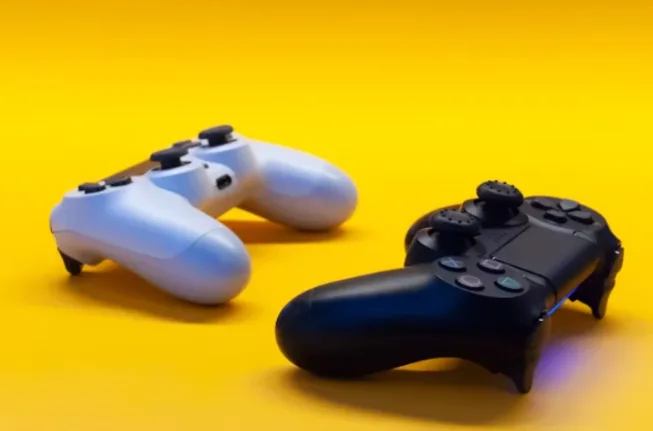
Professional competitive gaming embodies several characteristics traditionally associated with Olympic disciplines. Elite esports practitioners engage in systematic training regimens of remarkable intensity, often exceeding ten hours daily — a commitment comparable to that of conventional Olympic athletes. This disciplined practice cultivates extraordinary neurological adaptations: reaction times measured in milliseconds, strategic cognitive processing under extreme time constraints, and fine motor precision that separates elite competitors from amateur participants by measurable performance differentials. Circa sportsbook or other high-ranking bookmakers might serve as a useful tool to observe deeper discrepancies between professionals and those who pursue an activity as leisure time.
The physiological dimensions of competitive gaming reveal intriguing parallels to traditional athletic performance. Studies utilizing biometric monitoring during high-stakes competitions document substantial autonomic nervous system activation — elevated cardiac output, increased cortisol secretion, and measurable stress responses analogous to those observed in Olympic shooting or archery competitions. While the externally observable physical exertion differs from conventional athletics, the internal physiological demands create legitimate performance challenges requiring specialized conditioning.
Demographic Resonance and Global Accessibility
The technological foundations of esports create distinctive patterns of accessibility that merit consideration within Olympic contexts. Unlike conventional sports requiring specialized environmental conditions or substantial physical infrastructure, competitive gaming requires relatively modest technological investment, enabling participation across diverse geographical and economic circumstances. This accessibility potentially democratizes international competition, offering participation pathways for regions historically underrepresented in Olympic medal distributions due to resource limitations.
Demographic engagement patterns reveal another dimension worth analytical consideration—esports demonstrates remarkable cultural resonance with younger populations currently demonstrating attenuated engagement with several traditional Olympic disciplines. This generational affinity suggests esports might serve as a cultural bridge, maintaining Olympic relevance across demographic transitions that otherwise threaten the Games’ cultural centrality.
The international competitive architecture already established within professional gaming aligns naturally with Olympic ideals of global participation. Contemporary esports competitions routinely feature competitors representing diverse nationalities across all inhabited continents, creating genuine international competition within established frameworks.
Implementation Complexities and Governance Questions
The practical implementation of esports within Olympic frameworks presents several substantial challenges requiring careful consideration. Perhaps most fundamental is the question of governance structures. Unlike swimming or athletics governed by independent international federations, competitive gaming titles exist as intellectual property owned by corporate entities who maintain definitive control over rules, competitive formats, and participation parameters. This governance model lacks precedent within Olympic history and creates novel questions regarding competitive sovereignty.
The technological evolution of esports titles presents another distinctive challenge. While archery fundamentals have remained relatively stable across centuries, competitive games undergo continuous technological iteration and may become fundamentally transformed or obsolete within relatively brief timeframes. This evolutionary pace complicates the establishment of enduring competitive frameworks necessary for Olympic tradition and institutional memory.
Technical standardization represents another implementation challenge requiring resolution. Questions surrounding hardware specifications, connectivity requirements, competitive integrity verification, and anti-manipulation protocols would necessitate sophisticated solutions before integration could proceed effectively.
Cultural Resistance and Philosophical Dimensions
Traditional conceptualizations of Olympic competition emphasize embodied physical performance as a defining characteristic of Olympic legitimacy. This perspective questions whether primarily cognitive competition aligns with Olympic heritage celebrating physical capability and corporal excellence. This philosophical tension reflects deeper questions about the nature of athletic achievement in contemporary contexts.
Concerns regarding potential displacement of established Olympic events reflect legitimate questions about balancing innovation with tradition. Given the practical constraints of Olympic programming, esports inclusion might necessitate difficult decisions regarding which traditional events maintain their position within the Olympic framework.
Progressive Integration: A Measured Approach
As both the Olympic movement and competitive gaming continue their respective evolutionary trajectories, maintaining substantive dialogue between these communities will likely prove more productive than seeking immediate definitive judgments. The relationship between digital competition and traditional athletic frameworks continues developing in ways that current analyses cannot fully anticipate.
The most intellectually honest approach acknowledges both the legitimate case for inclusion based on competitive merit and global cultural resonance, while respecting genuine concerns about implementation challenges and philosophical congruence. This balanced perspective creates space for organic development of a relationship that honors both Olympic tradition and the distinctive qualities of contemporary digital competition.