
“To deny the benefits of modernity to African people while enjoying them in Europe is the height of hypocrisy.”
— Chinua Achebe
In the complex debate surrounding the future of Western Sahara, one disturbing current remains largely under-examined: the ideological posture that seeks to isolate, infantilize, and instrumentalize the region for political agendas. This approach — which I call militant primitivism — is not rooted in justice or development, but in the preservation of suffering as a form of currency.
Those who cry the loudest for the “liberation” of the Sahara are often the same voices opposing investment, tourism, cultural exchanges, and international partnerships in the region. Why? Because progress threatens the narrative of victimhood that justifies their activism and sustains their funding. Economic growth, infrastructure, job creation, and regional integration are not part of their strategy — stagnation is.
They don’t want investors in Dakhla or Laâyoune. They reject filmmakers and journalists who dare to show a modern, dynamic, and peaceful Sahara. They protest against foreign companies creating jobs or local governments building schools. For them, any improvement on the ground undermines their cause — because their cause is not justice, it’s leverage.
This is militant primitivism in action: a doctrine that demands underdevelopment in order to maintain political utility. The Sahara, in this view, must remain a space of lack, of grievance, of despair — not because it is, but because it must appear to be. It is a strategy that deliberately blocks opportunity in order to preserve ideology.
These same actors invoke international law, but misread and misuse it. They quote UN resolutions out of context, ignoring the fact that the UN does not recognize any entity called the “Sahrawi Republic” and has never called for independence, but for a political solution mutually acceptable to both parties.
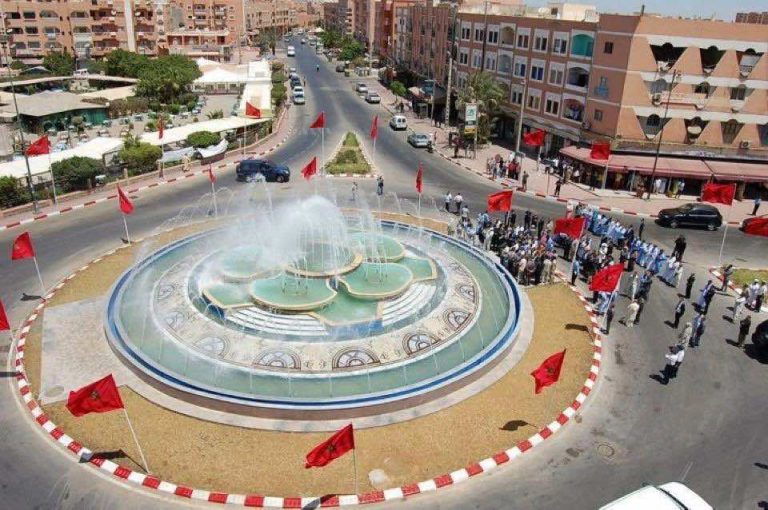
Meanwhile, inside Morocco, the government continues to invest heavily in its southern provinces, developing ports, renewable energy projects, universities, and hospitals. The Moroccan Sahara has some of the highest human development indicators in the kingdom. It is a space of movement and hope — a laboratory for inclusive growth.
And this is what the militants fear most: that the Sahara may thrive — and in doing so, render their struggle obsolete.
This form of instrumentalization is not new. It mirrors the logic of some post-colonial ideologues who believed that poverty and pain were prerequisites for purity and revolutionary legitimacy. But this logic has failed — everywhere. In the Sahara, it is not only outdated, it is dangerous.
As Vladimir Lenin once warned in his critique of the Narodniks:
“To idealize the backwardness of the peasant commune is to idealize national stagnation.”
Militant primitivism disguises itself in the language of solidarity, but it thrives on regression. It prefers symbolic victories over tangible ones. Its proponents elevate misery as identity, and mistake opposition for leadership.
The real voice of the Sahrawis today is not heard in hotel lobbies in Algiers or cafés in Paris. It is heard in the classrooms of Laâyoune, in the solar farms of Boujdour, in the fishing ports of Dakhla, and in the voting booths during Moroccan elections. These are not the voices of victims — they are the voices of citizens.
Let us be clear: those who truly care about the Sahara must care about its people. And that means saying yes to development, yes to investment, yes to dignity through opportunity.
Militant primitivism offers only one thing: permanent stagnation for the sake of political showmanship. It is time to reject this vision — and replace it with one grounded in progress, justice, and real empowerment.