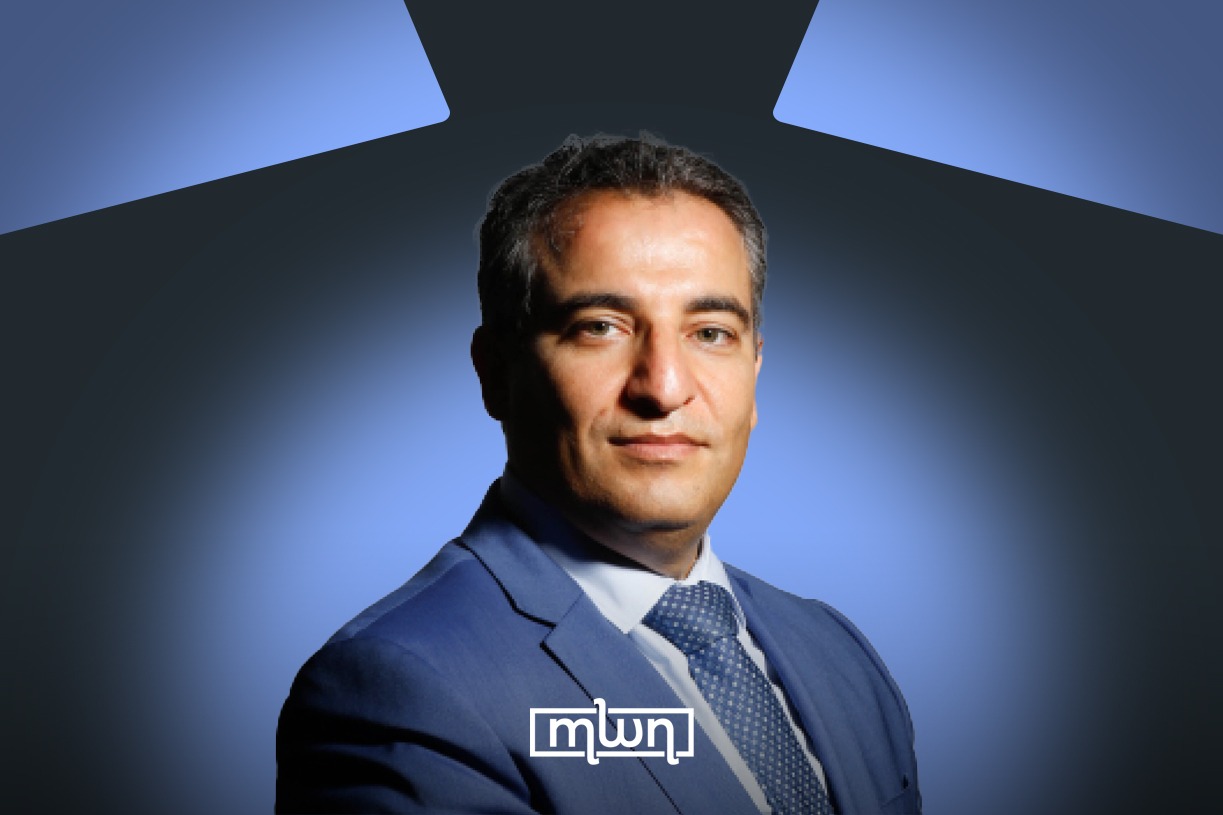
Marrakech – Imad Barrakad, Director General of the Moroccan Agency for Tourism Development (SMIT), has secured a prestigious spot in Forbes Middle East’s Top 100 Travel and Tourism Leaders. Ranked 28th on the influential list, Barrakad stands among the region’s most impactful tourism executives.
His placement confirms Morocco’s growing prominence – welcoming 17.4 million visitors in 2024 and outpacing Egypt to become Africa’s top destination – and he was recognized alongside fellow Moroccans Fatim-Zahra Ammor, Adel El Fakir, and Abdelhamid Addou.
This latest Forbes Middle East ranking evaluates leaders across airlines, airports, hospitality, destinations, and the public sector. Selection criteria include business size, sector impact, asset ownership, executive influence, notable achievements during 2024-2025, and professional experience.
Barrakad’s inclusion reflects his significant contributions to Morocco’s tourism investment landscape since taking SMIT’s helm in 2011. Established in 2007, the agency serves as the government’s dedicated entity for tourism investment and plays a critical role in developing investments and designing tourism products across the country.
In April, SMIT strengthened its position through strategic partnerships with Attijariwafa Bank and TAMWILCOM, focusing particularly on supporting the digital transformation of Morocco’s tourism sector. Under Barrakad’s leadership, SMIT has supported over 800 hotels to accelerate the industry’s post-pandemic recovery between 2023 and 2024.
From energy to tourism: An unexpected career trajectory
Born on December 16, 1969, in Ksar El Kébir, Barrakad’s path to tourism leadership was hardly predictable. With an engineering background and a postgraduate diploma in project management, he began his career in 1994 at CDER in renewable energy and energy efficiency services.
His professional journey continued at the Ministry of Interior’s General Directorate of Local Authorities, where he managed a rural electrification project under French cooperation. After seven years there, Barrakad joined the National Office of Electricity (ONE) in 2000, handling cooperation with utilities and local authorities.
At ONE, he managed relationships with various ministerial departments, particularly tourism, and was involved with the Plan Azur and Plan Biladi initiatives. His competence led to promotions, first as Rabat Regional Director in 2006 and later as Commercial and Marketing Director in 2009.
In 2011, Barrakad was appointed to lead SMIT, marking the true beginning of his tourism sector adventure. Colleagues in the tourism industry appreciate him for his availability, good humor, and relational ease – qualities essential for successful negotiations in the complex tourism development landscape.
Driving Morocco’s tourism innovation and investment
Under Barrakad’s direction, SMIT has been instrumental in implementing Morocco’s tourism vision. The agency played a key role in the post-pandemic tourism recovery, supporting businesses to improve service quality and implementing government support measures that saved companies and preserved jobs.
SMIT is currently managing support for reconstruction and upgrading of tourism accommodations affected by the Al Haouz earthquake. This assistance enables impacted establishments to complete renovation work and resume operations.
The agency’s efforts have contributed to Morocco’s record-breaking tourism performance. The country has achieved several historic milestones, including hosting 14.5 million tourists in 2023 and 8.9 million visitors in the first half of this year – a 19% increase over the same period in 2024.
Barrakad is now focusing on technological innovation as a key driver for tourism investment. In January, SMIT co-organized an international conference on technological innovation and tourism investment in Marrakech, showcasing how digital technologies can identify new investment opportunities in the sector.
The agency is particularly interested in empowering innovative startups to establish themselves in the increasingly competitive market. Though startups currently have a limited impact, Barrakad aims to increase their visibility through an approach combining technology and strategic partnerships.
To support this initiative, authorities are offering incentives to young startup founders, including SMIT’s incubation program with a budget of MAD 180 million ($18 million), Moukawala Siyahia with MAD 600 million ($60 million), and Go Siyaha with MAD 720 million ($72 million).
The targeted startups include those specializing in leisure gaming, such as virtual and augmented reality, which can reconstruct the architecture of ruined monuments to enhance visitor experiences. Others focus on electronic payment security platforms that improve travel preparation and visitor stays.
Barrakad expects these startups to reach critical mass by 2026, with nationwide implementation by 2030, helping Morocco achieve its goal of 26 million tourist arrivals by the end of the decade.
Embracing green tourism as the next frontier
SMIT’s latest initiative focuses on sustainable tourism development. The agency will host a high-level forum on September 24 in Ifrane, exploring “Green Tourism” perspectives in Morocco. The event will bring together over 200 Moroccan and international decision-makers, including ministers, investors, institutional representatives, experts, and local operators.
The conference aims to showcase successful sustainable tourism experiences, promote investment opportunities in ecotourism, and encourage the emergence of small businesses in this sector. It will also strengthen synergies between tourism investments, environmental preservation, natural space enhancement, and sustainable agriculture initiatives.
This green tourism push follows a February agreement between SMIT, the Regional Investment Center of Fès-Meknès, and the National Agency for Water and Forests. The agencies have designed an integrated development program for Ifrane National Park, one of Morocco’s richest national parks in terms of natural and tourism potential.
The program aims to stimulate tourism investment through public actions that enhance ecosystem attractiveness while positively impacting socioeconomic development. It includes eight tourism clusters focused on rejuvenation, with a total budget of MAD 734 million ($73.4 million), including MAD 641 million ($64.1 million) in public funding.
SMIT has launched a call for interest to select candidates wishing to invest in ecotourism projects in Ifrane National Park, offering technical and financial support of up to MAD 500,000 ($50,000) per project to approximately twenty project developers.