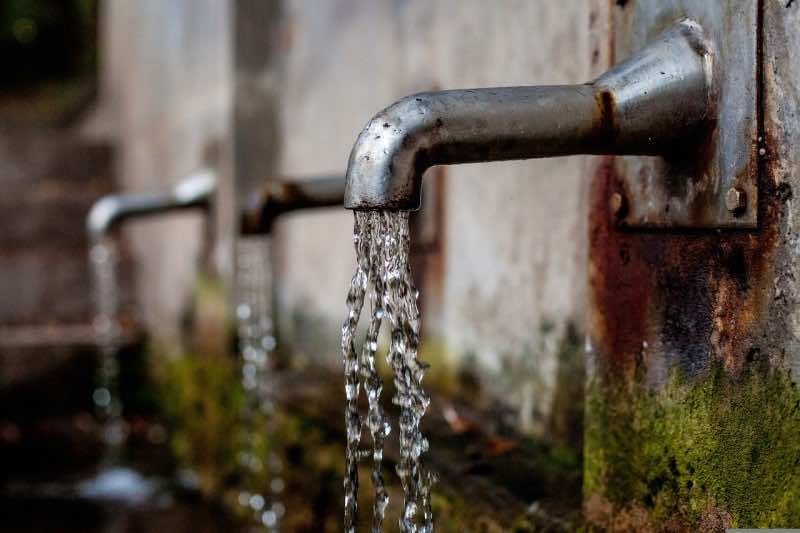
Rabat – Millions of families across the globe still draw their daily water from rivers, lakes, or untreated surface sources.
According to a new report released by UNICEF and the World Health Organization (WHO) during World Water Week, 106 million people rely on unsafe supplies, a situation that puts lives at risk and widens global inequalities.
The two agencies warn that the international pledge to secure clean water and sanitation for all by 2030 grows more distant.
“At the current pace, the promise of safe water and sanitation for every child is moving further out of reach,” says Cecilia Scharp, a UNICEF specialist. “We must act faster and more boldly to reach those who need it most.”
The report underlines that people in the under-resourced countries face the heaviest burden.
They are twice as likely as others to lack access to safe drinking water and basic sanitation. Rural families, children, and marginalized ethnic and Indigenous groups remain among the most exposed.
In many regions, the task of fetching water continues to fall on women and girls. Across sub-Saharan Africa, Central Asia, and South Asia, millions still walk long distances, often for more than half an hour each day, to collect water in heavy containers.
“These inequalities are particularly severe for girls, who often carry the responsibility of water collection and confront additional obstacles during menstruation,” the report notes.
The problem goes beyond access to water. The study shows that 3.4 billion people still lack safely managed sanitation services, while 354 million defecate in the open. For 1.7 billion people, even basic hygiene at home remains out of reach.
The consequences are stark: preventable diseases continue to spread, deaths that could be avoided still occur, and millions – particularly adolescent girls – face exclusion.
Many teenagers between the ages of 15 and 19 report staying away from school, work, or community life during their menstrual cycles due to the absence of proper facilities.
With only five years left before the deadline of the Sustainable Development Goals, the UN sounds the alarm once more.
“We must accelerate our actions, particularly for the most marginalized communities, if we want to deliver on our promise to achieve the SDGs,” said Rüdiger Krech of the WHO’s Department of Environment, Climate Change, and Health.
The warning is urgent. Without a decisive global effort, humanity risks breaking one of its most basic promises, the guarantee of water, sanitation, and hygiene as a fundamental human right.