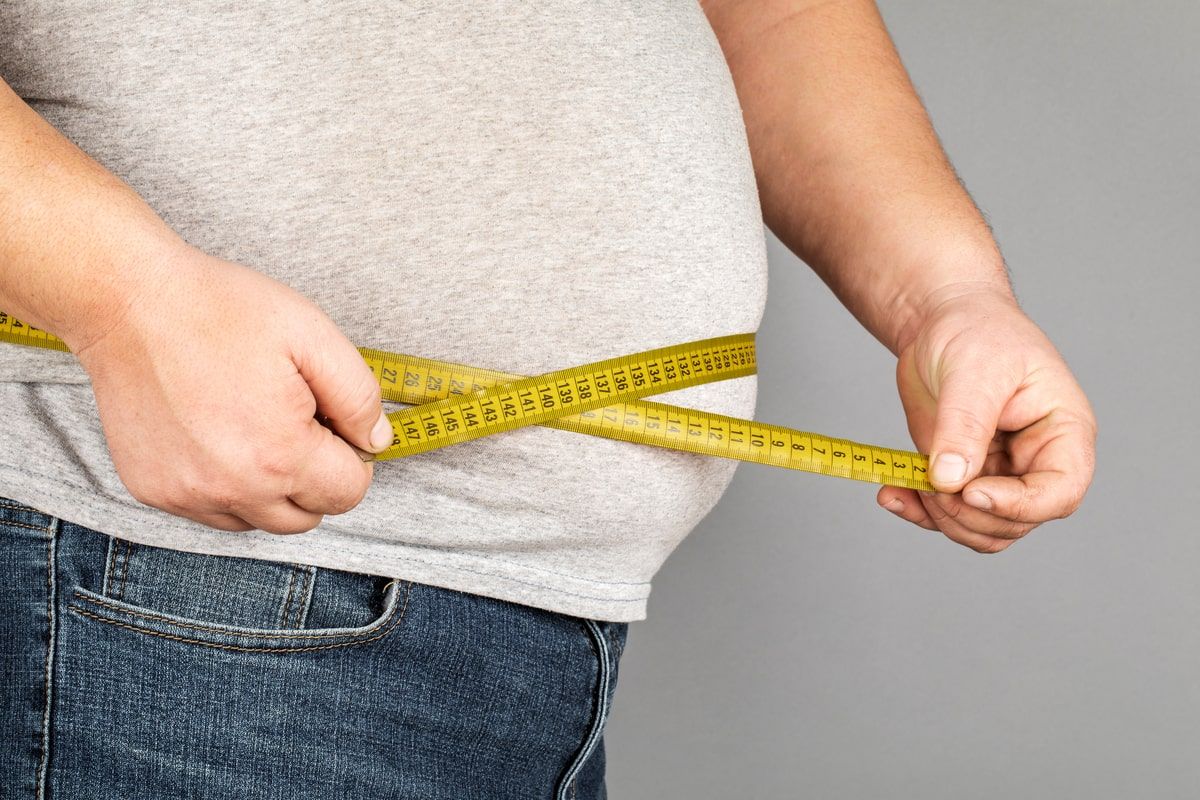
Marrakech – Morocco reportedly recorded an adult obesity rate of 13.79% in 2025, ranking it ninth among African countries with the highest obesity rates, according to a recent report published by The African Exponent.
The pattern shows clear differences between urban and rural areas. Cities such as Casablanca, Rabat, and Marrakech reflect the sharpest increases in obesity rates, driven by changing diets, more sedentary jobs, and the rapid spread of processed and fast foods.
Rural communities still rely more on traditional staples, but even there, the influence of packaged goods and sugary drinks is growing, reshaping eating habits across generations.
Health effects are already apparent. Rising obesity rates have contributed to higher cases of diabetes and hypertension, illnesses that now account for a growing share of outpatient visits. Women are more affected than men, with obesity prevalence often double, a gap shaped by cultural norms around body image and reduced access to active spaces.
Morocco has taken important steps to confront the trend. National campaigns promote balanced diets and encourage physical activity, while urban planning projects have introduced more walkways and recreational spaces in major cities.
Efforts are also underway to strengthen school nutrition by limiting access to sugary snacks and encouraging traditional meals.
While Morocco reportedly ranks ninth, Egypt leads the continent with a rate of 32.48%, followed by Libya at 28.08% and Seychelles at 20.58%.
Tunisia ranks fourth with 19.92%, followed by Papua New Guinea (16.61%), Algeria (16.03%), Eswatini (15.62%), South Africa (14.5%), and then Morocco at 13.79%. Mauritius completes the top ten with a rate of 13.07%.
However, notably, The African Exponent figures may misrepresent Morocco – as is often the case with international reports and global publications – since the report’s map does not reflect the country’s full territorial integrity and instead depicts a truncated outline that omits the southern provinces in Western Sahara.
Morocco’s epidemiology now mirrors upper-middle-income patterns
Beyond what this report documents, the country’s obesity burden has accelerated alongside its broader nutrition transition. The nationally representative WHO STEPS survey (2017-2018) found that 53.0% of adults had a body mass index (BMI) ≥25 and 20.0% met the threshold for obesity, with a striking sex gap: 29.0% of women versus 11.0% of men were obese.
Excess weight was also more common in cities than in rural areas (57.6% vs. 44.7%). These findings coexist with a smaller underweight share (5.2%), revealing a “double burden” of malnutrition.
Modelled, age-standardised updates indicate the trajectory has continued upward: by 2022 an estimated 35.7% of adult women and 22.6% of men were living with obesity. Among children, Morocco has a high prevalence of overweight under-5s (10.9%), while global trend analyses place the country within the wider rise of obesity since 1990 across age groups.
The obesity epidemic sits within the country’s noncommunicable disease (NCD) profile: NCDs account for roughly 80% of all deaths in Morocco, with cardiovascular disease and cancer leading, showing the clinical significance of obesity as a modifiable risk factor in national mortality.
Policy responses reflect this burden but implementation challenges remain. Morocco has articulated a multisectoral NCD strategy that explicitly calls for a national plan to prevent and control overweight and obesity and to curb sedentary lifestyles.
Complementary instruments recorded in international monitoring include measures to reduce unhealthy diet exposures – such as actions on salt reduction, restrictions on marketing to children, industrial trans-fat elimination, and a sugar-sweetened-beverage tax – alongside broader NCD frameworks.
Yet the STEPS data show entrenched gendered and urban gradients in obesity, and the coexistence of under- and over-nutrition points to persistent social and territorial inequalities in food environments and physical activity.
The bigger picture: Morocco’s epidemiology now mirrors upper-middle-income patterns – rising adult and child excess weight with marked female and urban vulnerability – while the country’s formal strategies will require sustained, cross-sectoral execution to bend prevalence curves and reduce NCD mortality.
Obesity may affect 24% of Moroccan adults by 2030
Looking ahead, the outlook appears concerning. The latest World Obesity Atlas report also warns that 59% of Moroccan adults already have a BMI ≥25, a threshold linked to overweight and obesity.
In 2021, 16,524 premature deaths in Morocco resulted from diseases associated with high BMI, including type 2 diabetes, cardiovascular conditions, and some cancers. Obesity-led chronic diseases led to the loss of 366,828 years of healthy life, an indication of the rising burden on public health.
Estimates for 2030 paint an even grimmer picture. By then, 24% of Moroccan adults could fall into the obese category, bringing the number of individuals with excess weight to 16.86 million. Women appear particularly vulnerable, with 9.94 million expected to be affected, compared to 6.91 million men.
Despite the enormity of the problem, Morocco has yet to introduce clear national guidelines to address obesity or promote physical activity. Sedentary lifestyles prevail, with 20% to 30% of adults reporting insufficient movement in their lifestyles.
Social barriers within conservative Moroccan society could also be a contributing factor, especially for women. In some regions and communities, gaining weight is actually encouraged, shown as a sign of good health.
Additionally, across the country, there is a lack of dedicated spaces where women can feel comfortable exercising in public, which causes significant barriers to leading active lifestyles.
Soaring healthcare costs, social stigma, and the difficulty of accessing treatment make it harder for individuals to manage their weight. Without stronger policies and greater awareness, the country risks seeing the problem intensify in the years ahead.