


 Join on WhatsApp
 Join on Telegram
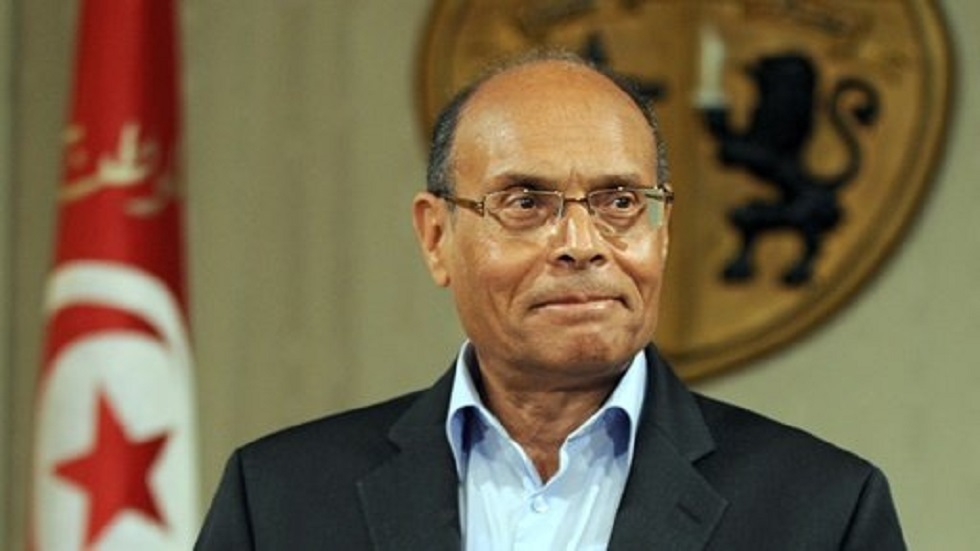
Rabat – Former Tunisian president Moncef Marzouki posted on Facebook today that “the time has come for a historic reconciliation between brothers,” referring to Morocco and Algeria.
He urged the two countries to overcome the long dispute over Western Sahara and to revive the Maghreb union. His call comes days after the UN Security Council adopted Resolution 2797 backing Morocco’s Autonomy Plan as the foundation to resolve the Western Sahara dispute.
Marzouki also called for the five basic freedoms for people living in the region, including the right to move, to settle, to work, to own property, and to vote in local elections, and said these freedoms should be both citizens’ rights and states’ duties.
“Yes, the time has come for wisdom, reason, and the public interest,” he wrote, adding that nations should be places people return to, not places they run away from.
Marzouki’s appeal comes at a tense but possibly turning moment in North African diplomacy. The recent UNSC vote drew international attention and reactions from many actors in the region and beyond.
The resolution passed with 11 votes in favor, including the US, the UK, and France, and no opposition. Three countries abstained, including Pakistan, China, and Russia, while Algeria did not participate in the vote.
King Mohammed VI gave a special address after the UN vote, welcoming the resolution’s outcome, which he described as a turning point and “a new chapter in the process of consolidating the Moroccanness of the Sahara.”
The monarch used the moment to extend an olive branch to Algeria and invited Algerian leaders to enter a frank and fraternal dialogue to end the long political rift between the two countries.
“I call upon my brother, His Excellency President Abdelmajid Tebboune, to launch together a sincere, brotherly dialogue between Morocco and Algeria, to overcome differences and build new relations based on trust, fraternal bonds, and good neighbourliness,” the King said.
Relations between Morocco and Algeria have been strained for decades, largely because of the Western Sahara dispute. Tensions rose sharply in August 2021 when Algeria cut diplomatic ties with Morocco and closed borders, accusing Rabat of “hostile actions.”
In the months around the UN vote, US advisers and diplomats spoke publicly about the need to find a practical, negotiated solution. Massad Boulos, the US senior adviser on Arab and African affairs, hailed the Security Council’s resolution and described the result as a major step toward resolving the dispute.
He also recalled that the United States is working with both Morocco and Algeria and encouraged renewed negotiations that could lead to a durable solution under Morocco’s autonomy plan.
Meanwhile, Steve Witkoff, the special envoy of US President Donald Trump for the Middle East, said last month that Washington expects to secure a peace agreement between Morocco and Algeria within 60 days.
Marzouki’s call for “historic reconciliation” echoes what many diplomats now urge, which is to use the UN development and King Mohammed VI’s offer to open a door for dialogue. But any real thaw is expected to take time and concrete steps, particularly from Algeria.
However, in a recent interview following the vote, Algeria’s Foreign Minister Ahmed Attaf made no mention of King Mohammed VI’s olive branch. Instead, the Algerian Minister went on to say that Morocco had “failed” to make the autonomy plan the exclusive framework for resolving the dispute.


