
 Join on WhatsApp
 Join on Telegram
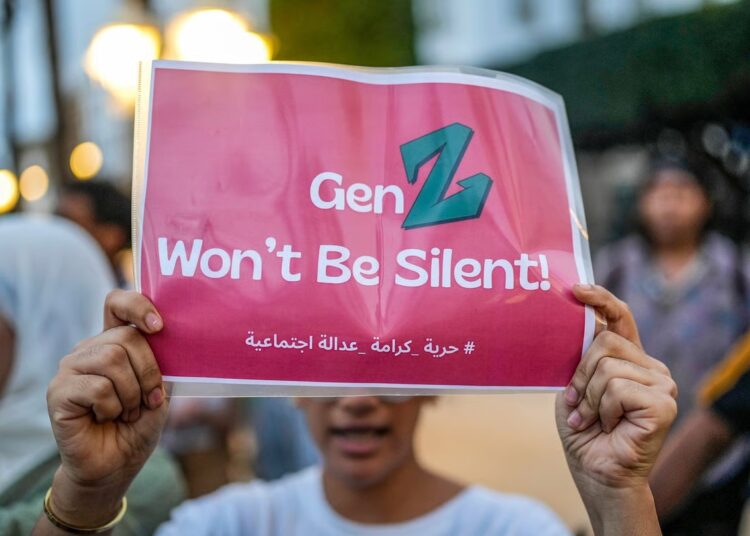
Rabat – Moroccan MP Nabila Mounib submitted on Monday a draft law proposing a general amnesty for all individuals arrested or prosecuted during the GenZ212 protest movement, which erupted on September 27, 2025, across several cities in Morocco.
The proposed bill seeks to ease the legal and social repercussions faced by young demonstrators through what Mounib described as a “political and humanistic approach” aimed at rebuilding trust between citizens and state institutions.
The text stipulates that the amnesty would cover all acts committed from the start of the movement until the law’s promulgation, leading to the erasure of any judicial, administrative, or penal records.
According to the draft, this amnesty would equate to a full acknowledgment of innocence for those concerned, putting an end to ongoing prosecutions and nullifying previous court rulings.
To ensure implementation, the bill calls for the creation of an inter-ministerial commission under the supervision of the Ministry of Justice.
This body would oversee the law’s enforcement, guarantee the immediate release of all eligible detainees, and ensure the deletion of their judicial records without exception.
The law would take effect upon publication in the Official Gazette, which Mounib says would mark “a gesture of political openness and social reconciliation to ease tensions among the youth.”
The proposal follows the decline of the GenZ212 movement, which emerged in response to high living costs, unemployment, and social precarity.
According to figures from the Public Prosecutor’s Office, the demonstrations led to 5,780 arrests and 2,480 judicial proceedings across the country.
While the bill embodies an attempt at justice and social appeasement, it also poses a political test for parliament’s democratic maturity and its ability to act independently on sensitive issues.
The GenZ212 protests began as spontaneous demonstrations led primarily by frustrated young Moroccans.
While initially peaceful, several rallies escalated following police intervention, leading to reports of excessive force, arbitrary arrests, and restrictions on freedom of expression.
Civil society organizations and human rights groups denounced what they viewed as disproportionate responses and called for the release of detained protesters, many of whom were students, unemployed graduates, and social media activists.