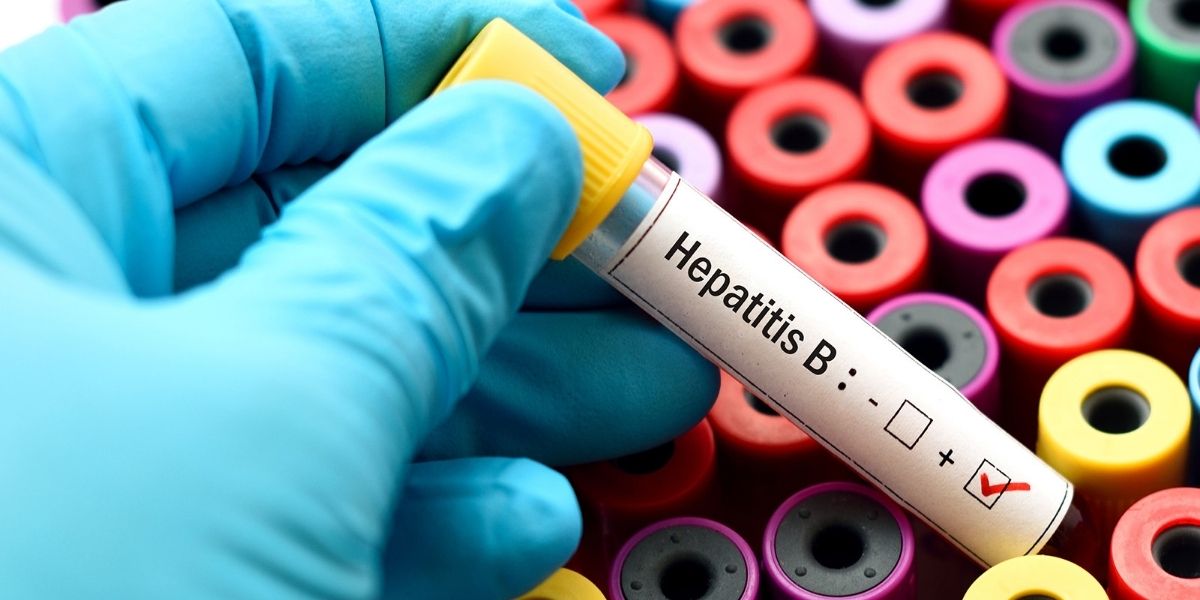
Marrakech – Morocco has been officially recognized as a “Hepatitis B Control Country” by the World Health Organization (WHO), standing as one of the most consequential public-health achievements in the country’s efforts against viral diseases.
The announcement came during the WHO Regional Committee for the Eastern Mediterranean session held on Thursday in Cairo, according to the Ministry of Health and Social Protection.
This recognition “reflects Morocco’s substantial progress in preventing, detecting, and managing hepatitis B viral infection,” the ministry stated. It “represents an important step toward the strategic goal of completely eliminating hepatitis B as a public health concern.”
The decision was based on “remarkable national performance in key areas,” the ministry noted. These include “systematic vaccination of newborns through an effective national immunization program, strengthened epidemiological surveillance and laboratory diagnostic capabilities, and regular updates to treatment protocols based on data from the latest national viral hepatitis B survey.”
The ministry expressed “high appreciation for healthcare professionals at all levels” and thanked “all national and international partners for their continued support, which has significantly contributed to this major public health achievement.”
Hepatitis B is a silent disease that often shows no symptoms while gradually damaging the liver. The virus can continue multiplying without detection, causing subtle inflammation of liver cells that can eventually lead to serious complications.
In Morocco, approximately 370,000 people live with hepatitis B or C, resulting in over 1,000 deaths annually. A 2019 national survey showed chronic hepatitis B prevalence at 0.7% and hepatitis C at 0.5%, with higher rates exceeding 1% in adults over 41.
Unlike hepatitis C, hepatitis B can be transmitted not only through blood but also sexually and during childbirth. The virus spreads through shared razors, traditional circumcision practices, improperly sterilized piercings, and from mother to child during pregnancy or breastfeeding.
Effective treatments exist for both types of hepatitis. For hepatitis C, direct-acting antivirals can cure over 95% of cases within 3-6 months. Hepatitis B treatments are also highly effective but must be taken for life. Morocco produces generic medications locally that are covered by insurance and social security, with the Ministry of Health offering free treatment in its facilities.
Prevention through vaccination has significantly reduced hepatitis B incidence in Morocco. The vaccine has been part of the national immunization program for about fifteen years, with high coverage rates among infants.
Health experts emphasize the importance of testing, especially for high-risk individuals and those over 50. Rapid screening tests developed in Morocco can provide results in just 15 minutes, making early detection more accessible than ever before.