 Join on WhatsApp
 Join on Telegram
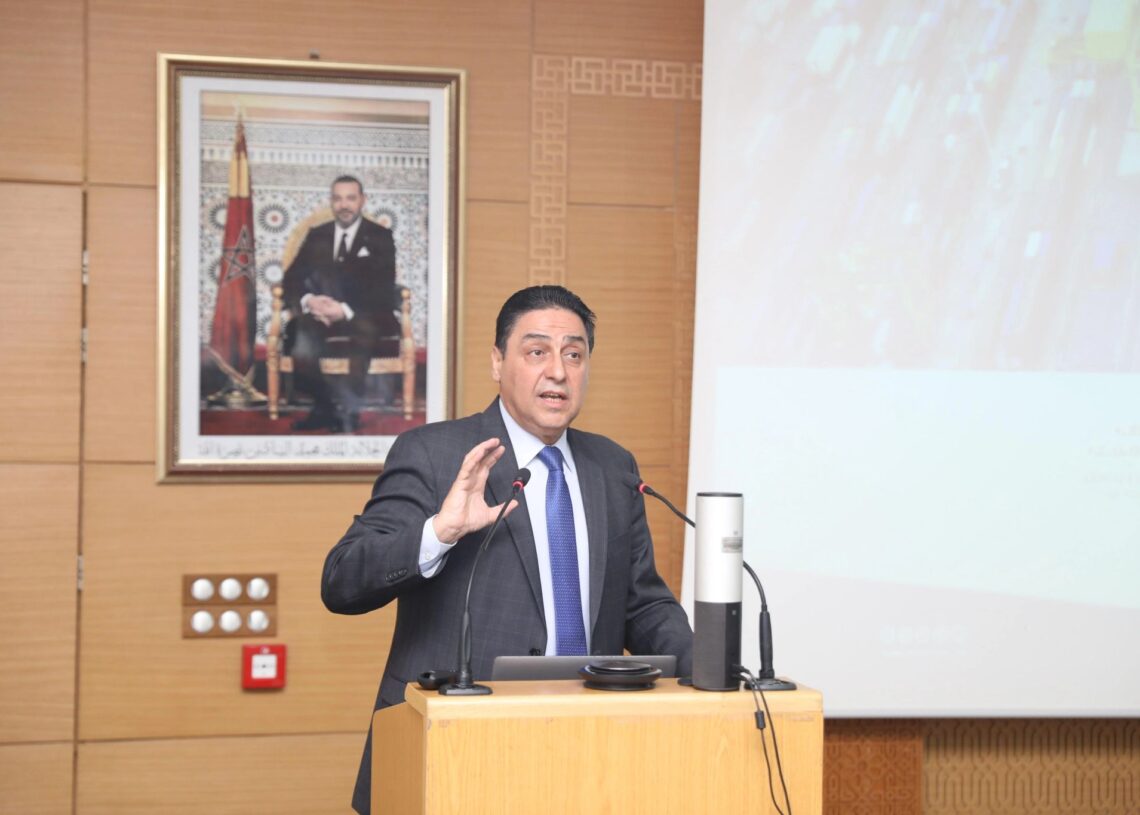
Rabat – The Secretary of State to the Minister of Industry and Trade, in charge of Foreign Trade, Omar Hejira, on Wednesday in Casablanca, called for strategic reflection on ways to increase the social impact of the electricity sector.
Hejira made the comments on the sidelines of the international trade fairs Elec Expo, EneR Event, and Tronica Expo 2025, which are all dedicated to electricity, electronics, renewable energy, and smart technologies. He urged participants to make this industry not only a driver of growth but also an accelerator of skilled job creation, in line with the government’s priorities.
Nearly half of the sector’s turnover is destined for export, with almost one-third of the 650 companies operating in the sector are exporters, the official noted, adding that despite its economic weight, the sector contributes only 4% of industrial employment.
This gap, he continued, calls for a strategic reconsideration of how to increase the sector’s social impact, in order to turn it into a true vector of inclusive growth and skilled job creation.
Morocco powers Africa’s energy future
Discussing opportunities in Africa, Hejira stated that the continent possesses exceptional energy and industrial potential, yet remains underrepresented in global trade.
Intra-African trade accounts for less than 15% of total trade, while only 2% of global investment in solar energy is directed toward Africa, despite the fact that it holds 60% of the world’s best solar resources.
For his part, the president of Fenelec, Ali El Harti, stressed the decisive role of energy storage, describing it as “the key to tomorrow’s power grids.
Citing concrete data, he recalled that the cost of battery storage has now fallen below $100 per kWh, enabling energy to be supplied at less than MAD 0.20 per kWh – six times cheaper than the price delivered by the grid.
El Harti pointed out that a simple 5 kWh battery can generate savings of nearly MAD 36,000, with a return on investment within two to three years, confirming that energy storage is now one of the sector’s most dynamic and promising technologies.
He also noted the African dimension of this momentum, recalling that Moroccan companies have more than 50 years of experience on the continent.
“Our experience outside Morocco demonstrates our ability to co-develop reliable infrastructure, to build sustainable electrical solutions, and to adapt them to the needs of African countries,” he said, adding that Africa’s energy needs will triple by 2040, representing an annual investment potential of $30 billion.
According to him, the presence of more than 50 African entrepreneurs from 13 countries at the three events reflects the trust placed in Moroccan expertise and the country’s growing openness toward its continent.
He also underlined the central role of innovation, training, and competitiveness, stating that the future of the sector rests on national talent.
The three trade fairs kicked off at the Casablanca International Exhibition Center (OFEC) on November 26, and they are scheduled to run through November 29. They bring together more than 200 exhibitors from 24 countries around the theme “Energy Storage and Smart Equipment: The Key to Tomorrow’s Power Grids,” confirming Morocco’s position as a regional platform for innovation and energy cooperation.
MWN with MAP