
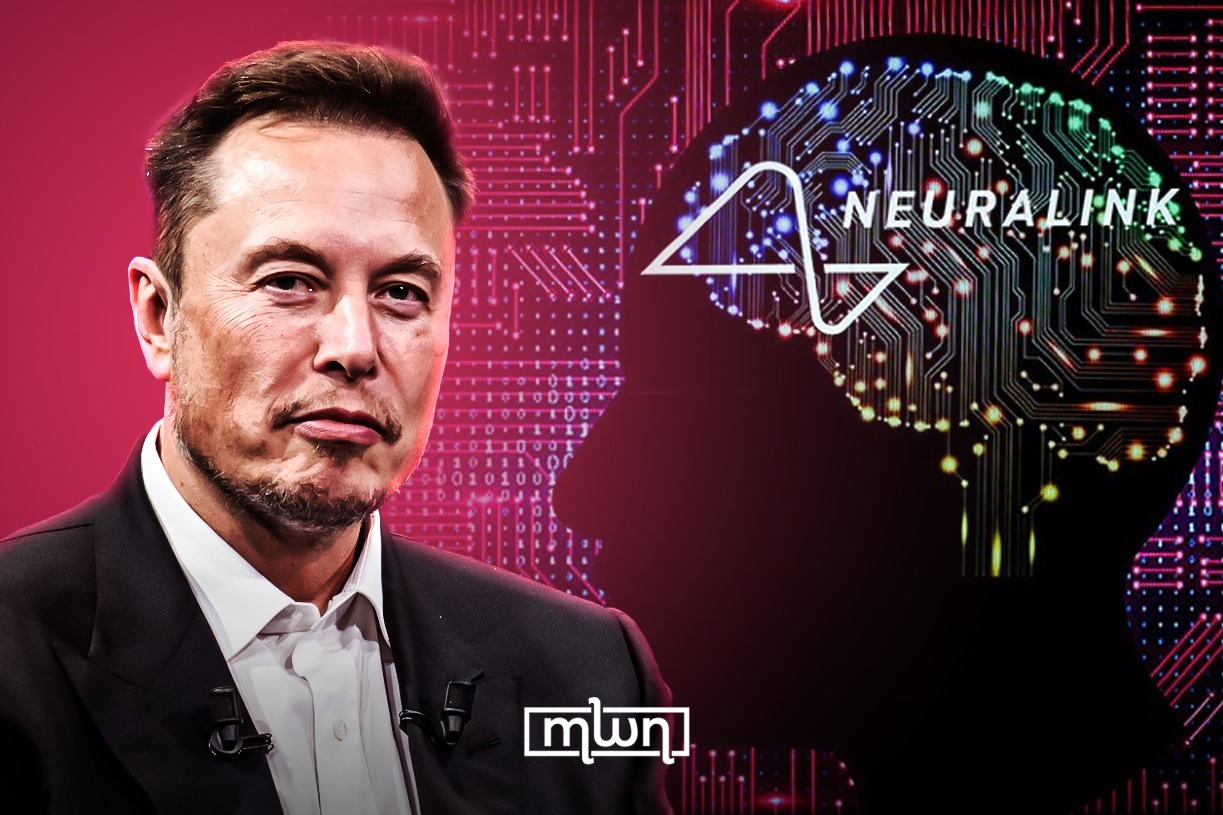
Mohammedia – Neuralink plans to begin high-volume production of its brain-computer interface implants in 2026, alongside a shift to a fully automated surgical procedure, according to a statement published yesterday by Elon Musk on X.
The announcement marks a significant step for the neurotechnology company as it moves from early clinical use toward industrial-scale manufacturing.
The company has been working to develop implantable devices that connect the human brain directly to computers, with the aim of helping people regain lost functions caused by neurological injuries or diseases.
Neuralink’s implant is designed to interpret neural signals and translate them into digital commands.
In early demonstrations, the first human recipient was able to perform tasks such as playing video games, browsing the internet, posting on social media, and controlling a computer cursor using thought alone.
These initial results have drawn wide attention to the potential of brain-computer interfaces in restoring autonomy for people with severe disabilities.
The company began human trials of its implant in 2024, after resolving safety concerns raised by the U.S. Food and Drug Administration.
The regulator had previously rejected Neuralink’s application in 2022, citing issues related to device safety and trial design. Approval to proceed marked a turning point for the company after years of development and regulatory scrutiny.
In September, Neuralink said that 12 people worldwide with severe paralysis had received the implant and were actively using it to control both digital and physical tools.
The trials are focused on individuals with spinal cord injuries or similar conditions that limit movement and communication, positioning the technology as a potential assistive tool rather than an enhancement device.
The company has also continued to attract investor interest. In June, Neuralink announced it had raised $650 million in a funding round, providing additional resources to scale production and advance clinical research.
The planned move to automated surgery is intended to support wider deployment by standardizing the implantation process and reducing reliance on highly specialized manual procedures.
Founded in 2016 by Musk, Neuralink aims to develop high-bandwidth, implantable interfaces between the brain and machines.
While its long-term ambitions include broad applications in medicine and computing, the company’s current efforts remain focused on clinical use for patients with serious neurological impairments, as it works toward the next phase of production and deployment.
Read also: Elon Musk Pushes Back AGI Timeline to 2026 as Skepticism Grows Over Repeated Predictions