
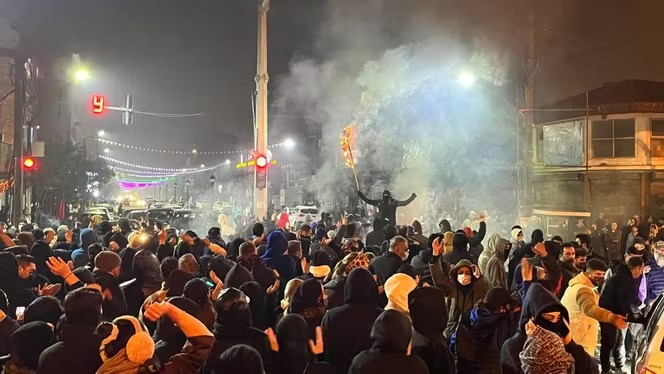
Rabat – Iranian foreign minister, Abbas Araghchi, said Iran is “ready for war but also for dialogue” as widespread protests continue across the country and tensions rise with the United States.
Speaking to diplomats and reporters, Araghchi described the unrest not as peaceful protests but as a “terrorist war.” He accused foreign-backed groups of attacking civilians, security forces, police stations, and government buildings.
Iranian officials claim more than 100 security officers have been killed during the unrest, while activists say at least 544 protesters have been killed, AP News report, although the actual number is expected to be much higher.
Araghchi blamed US President Donald Trump’s for encouraging violence with his threats of possible military action. He said Trump’s words motivated “terrorists” to make Iran’s protests more violent in order to invite foreign intervention. Trump has repeatedly said the US has “very strong options” and confirmed that his administration is in contact with Iranian opposition leaders.
Despite the harsh rhetoric, Iran confirmed that communication channels with the US remain open, including through Switzerland. Foreign Ministry spokesperson Esmaeil Baghaei said Iran is open to negotiations, but only if they are based on “mutual respect” and not imposed by force. He stressed that Iran would not accept foreign interference.
Iran has also imposed a nationwide internet shutdown, now in its fourth day, which analysts say has definitively reduced protest activity by limiting communication, coordination and keeping media in the dark. Araghchi says the internet would soon be restored, including access for embassies and government offices, without specifying a timeline as to when.
Demonstrations are not fully against the Iranian regime, however. Pro-government rallies have taken place in several cities across Iran after President Masoud Pezeshkian called for a “national resistance march” against what authorities describe as foreign-backed violence. Meanwhile, police have sent warning text messages to families in Tehran, urging them to keep young people away from protests.
International reactions have been mixed. Canada, Germany, and Finland expressed support for Iranian protesters and criticized the use of force by authorities. China, however, said it opposes any foreign interference in Iran’s internal affairs.
UN Secretary-General Antonio Guterres called on Iranian authorities to show restraint, stop excessive force, and restore internet access, as Iran faces its most serious unrest since the 2022-2023 protests. The protests started in late December because of economic hardship and growing public anger over living conditions, but have escalated into a nationwide call for the end of Supreme Leader Ali Khamenei’s clerical rule.