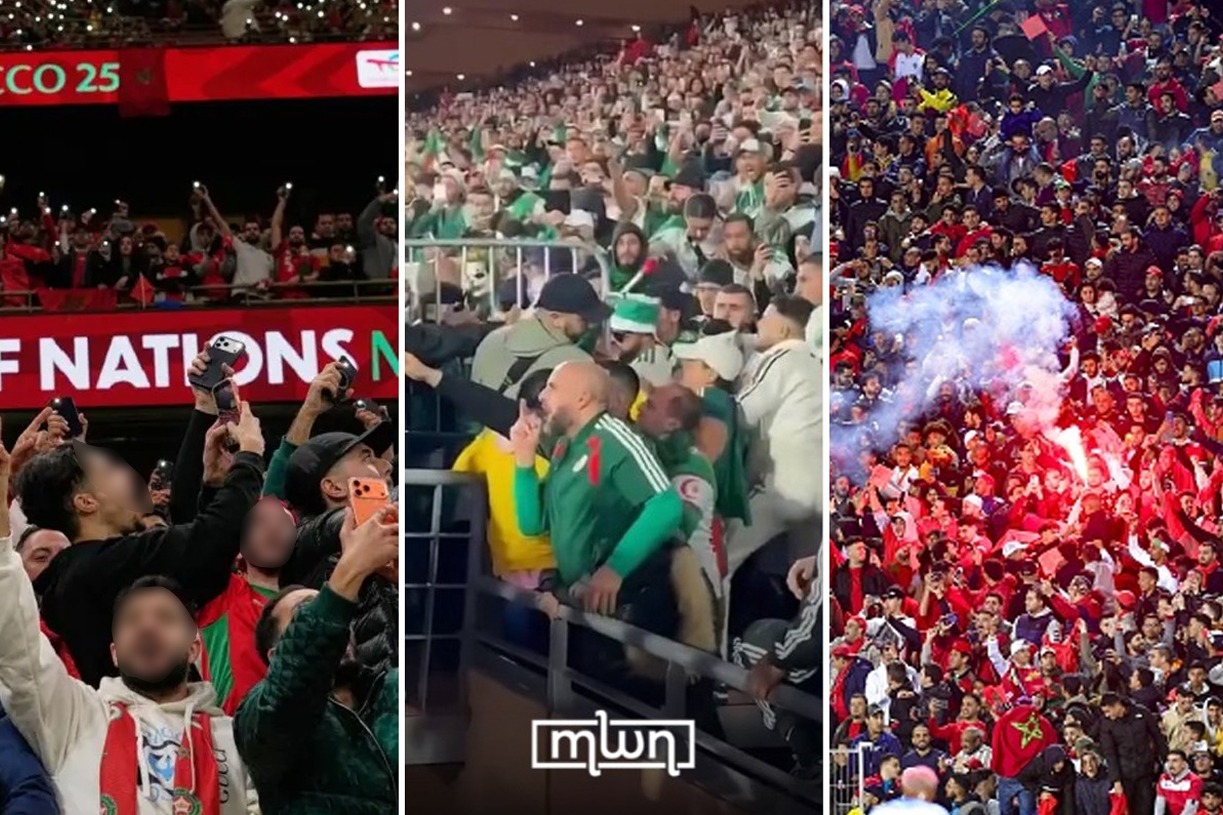
The growing hostility we witness online especially around identity, nationality, and symbolic gestures is not the result of a sudden moral decline. It is the outcome of a system that rewards emotional excess and punishes restraint. Hatred today is not always intentional, it is engineered, normalized, and distributed through patterns of consumption we rarely question.
From a socio-psychological perspective, this phenomenon operates on a simple mechanism – what is repeated creates belief. When individuals are continuously exposed to content framed around offense, rivalry, or humiliation, the brain begins to interpret neutrality as threat. Context disappears. Nuance becomes suspicious. What remains is a reflexive need to position oneself against an imagined enemy.
Algorithms play a decisive role in this process. They do not distinguish between truth and distortion, or between analysis and provocation. They prioritize engagement and engagement thrives on outrage. As a result, a small group of highly reactive voices gains disproportionate influence, shaping collective perception and redefining what is considered acceptable discourse.
This is where the responsibility of content creators becomes critical. Many creators today possess technical skills, but lack ethical education. They know how to attract attention, but not how to hold it responsibly. In the absence of intellectual discipline, interpretation turns into speculation, and speculation quickly mutates into accusation.
Social psychology refers to this as hostile attribution bias: the tendency to assume malicious intent behind ambiguous actions. Once this bias is reinforced by group validation, likes, shares, comments, it becomes nearly irreversible. Individuals no longer react as individuals, but as members of a crowd seeking emotional coherence rather than truth.
Only then do isolated incidents become symbolic.
Within the outstanding beauty of Morocco’s organization of AFCON, and the generosity and warmth shown by Moroccans, some still find a way to look for reasons to spread hatred.
A gesture, a phrase, a moment extracted from its context is elevated into evidence. This is what happened when an Egyptian football coach expressed a spontaneous gesture of affection – an emotional response tied to the intensity of sport and it was subsequently reframed as disrespect, provocation, or hidden hostility. The act itself was insignificant; the interpretation was not.
Similarly, we observe content creators who openly insult Moroccans, labeling them with degrading names, simply because they choose to be welcoming, supportive, and solidarity with foreigners. Hospitality that was once a universal value has been recoded as weakness or betrayal. Generosity is mocked. Empathy is suspicious.
This inversion of values is psychologically revealing.
Moroccans are historically known for their royal hospitality, their generosity, and their deep sense of social warmth. These traits are not performative, they are cultural reflexes shaped by centuries of collective life. To shame a society for practicing its values is almost an attempt at cultural reprogramming.
The danger lies in imitation. When hatred appears repeatedly on our screens, it begins to feel legitimate. Some Moroccans, influenced by algorithmic narratives, may feel compelled to respond in kind, mistaking aggression for dignity. This is how identity erosion begins not through direct attack, but through gradual normalization of behavior that contradicts one’s own cultural foundation.
Football, often presented as a space of unity, exposes these underlying fractures. It has the power to bring people together, yet it also reveals unresolved tensions between nations – tensions that are rarely about the game itself. Sport becomes a vessel through which historical insecurities, pride, and competition are projected.
But football does not create hostility; it reveals it.
The real issue is not disagreement between nations, it is the absence of interpretive maturity. When societies stop asking why and start reacting to how it looks, they surrender their autonomy to narratives they did not create.
What we need is not louder nationalism, but deeper education, media literacy, emotional intelligence, and ethical responsibility. Content creators must understand that influence without accountability is manipulation. Audiences must learn that not every provocation deserves a response.
Hate trends fade. Values endure.
Moroccans should not abandon their hospitality because an algorithm suggests cruelty. Dignity does not require hostility, and pride does not demand exclusion. In a world trained to misinterpret, choosing generosity is not naïve, it is dangerously radical.
Perhaps the most urgent question we must ask is not who offended whom, but why we have become so eager to believe the worst about one another.