


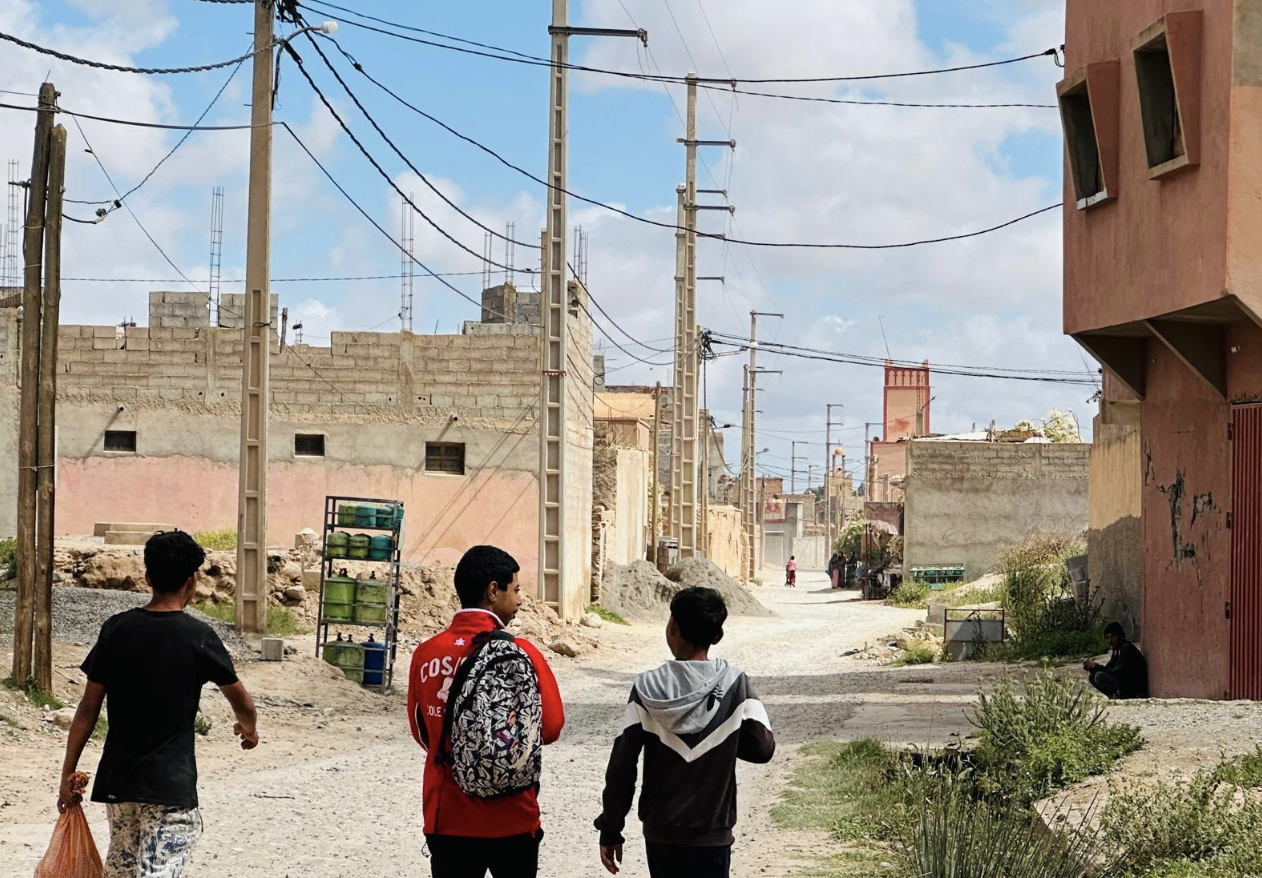
Cities worldwide are confronting the converging pressures of climate volatility and unequal public health responses. In Morocco, the devastating 2023 Al Haouz earthquake shed new light on how we should examine climate change in relation to post-disaster recovery, fragile infrastructure, insecure housing, and water scarcity, all of which compound risks for those already living with limited services.
This disaster also showed that urban health does not begin or end with biomedical treatment. It is made and remade in everyday routines: fetching and storing water, seeking shade from extreme heat, rebuilding damaged homes, navigating unreliable sanitation, and sustaining livelihoods under environmental stress.
Consequently, our primary concern was how climate change, post‑earthquake recovery, and health inequalities intersect in everyday urban and peri‑urban life in Marrakech. Drawing on extensive fieldwork, including interviews, focus groups, participatory mapping, transect walks, environmental observation, and micro‑climate analysis, we argue that equitable climate adaptation and post-disaster response are inseparable from health justice and must include care infrastructures, inclusive governance, and gender‑responsive intervention. In a changing climate, health outcomes arise not only clinically, but also through the distribution of shade and sanitation, water quality and affordability, household privacy, and the capacity to participate in decision-making.
Women bear the brunt of the often-invisible damage of disasters
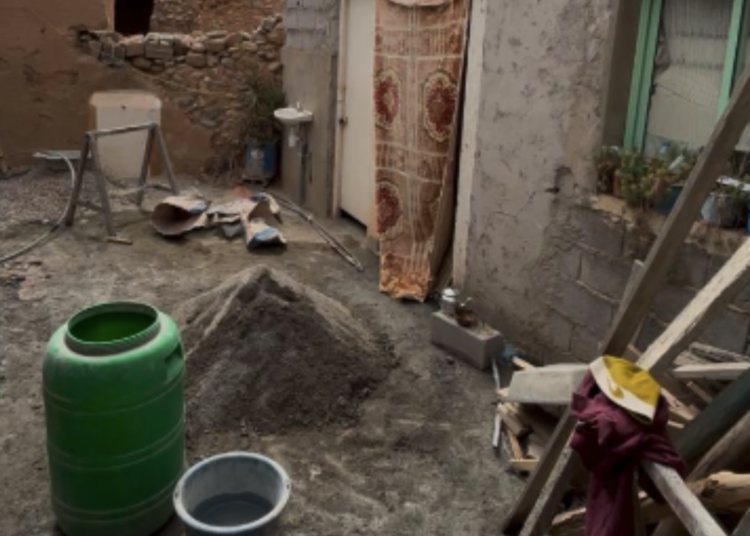
Let us start with Amizmiz, near the earthquake’s epicenter, where our research revealed visible infrastructural damage and invisible fractures in the social fabric. Although reconstruction funds reached some households, delays and male-headed disbursement norms left many women (widows, single mothers, and elderly residents) in unsafe, half-built homes without privacy or sanitation. Interviews and focus groups documented anxiety, insomnia, menstruation-related infections, and the erosion of dignity linked to makeshift washing areas and shared latrines.
Water systems remained fragile from source to drainage, increasing reliance on truck deliveries and informal sharing while heightening contamination risks in the absence of routine water-quality reporting. Climate volatility compounded these pressures, disrupting yields, damaging cooperative facilities, curtailing processing and sales, and constraining women’s financial autonomy.
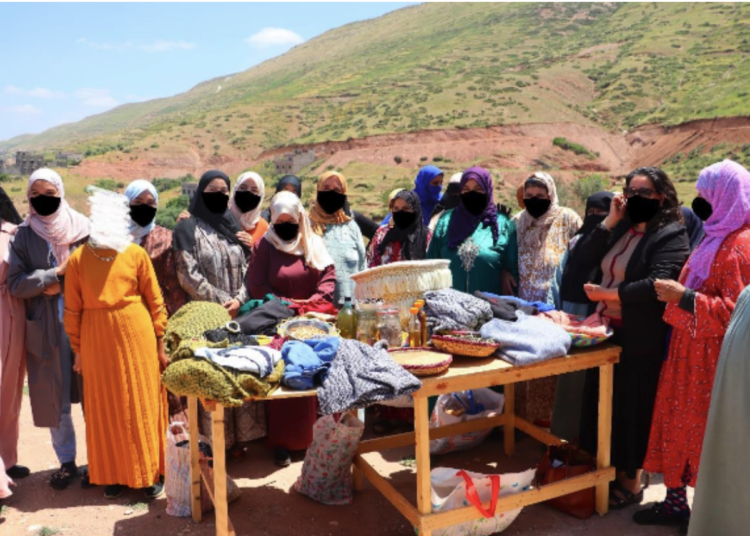
A similar intersection of post-disaster and climate change risks has been observed in Talat N’Mimoun, where the earthquake amplified pre-existing stressors: scarce water, limited public services, and gendered divisions of labour. As we observed, many men seek income in distant locations, leaving women responsible for most domestic water management and care. Our research also highlighted the often-invisible damage of disasters, particularly their profound psychological effects.
We evaluated HAF-facilitated psychosocial workshops and found they created important safe spaces for dialogue, skill-building, and peer support among village women. Survey data, interviews, and focus groups suggested these workshops reduced anxiety, renewed confidence, and catalysed livelihood ideas and practices (e.g., food processing, craft sales).
Older women contributed herbal and culinary knowledge while younger women sought language and marketing skills, pointing to a multi-generational pathway linking psychosocial recovery to income generation. Yet psychosocial support and care cannot substitute for basic and tangible services.
Women in Talat N’Mimoun described the physical exhaustion of carrying and storing water, negotiating irregular deliveries, and bathing in spaces without privacy. Limited local healthcare compounded these pressures: travel costs, childcare responsibilities, and unreliable transport often delayed care until illness became severe.
The road to sustained and meaningful empowerment
Education was viewed as central to empowerment, particularly literacy and language, yet pathways remained uneven, with girls disproportionately leaving after primary education. Workshops rekindled interest in learning. However, we argue that sustained and meaningful empowerment requires institutional investment in rural education and inclusive access to healthcare.
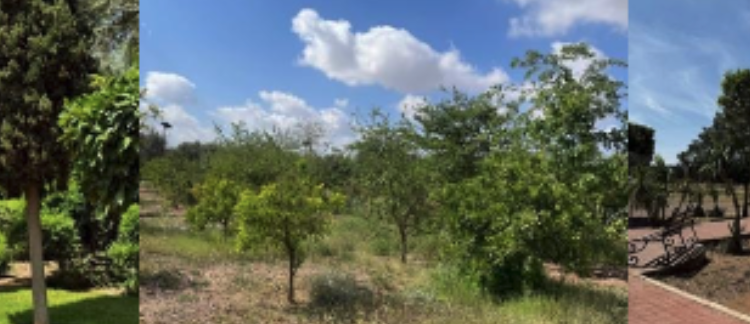
Climate change in cities must be read through vulnerability and inequality. In Marrakech’s hot, semi-arid climate, shade is a matter of health equity: our observations and micro-climate analysis found midday differences of around 18–25°C between shaded and unshaded areas (Figure 5). For outdoor workers and households without air-conditioning, green space operates as cooling infrastructure, yet access is uneven. Central parks offer vegetation and basic amenities, while peripheral neighbourhoods such as Ennahda and Azli lack shade and services, leaving some residents to travel and pay for relief, and others deterred by safety and cleanliness concerns.

Importantly, when considering climate change in urban environments, green spaces should be treated not as a commodity or luxury but as a crucial health asset. However, in Marrakech, governance constraints further limited the equitable use of green spaces. Irrigation under drought conditions posed maintenance challenges, and overlapping municipal mandates complicated accountability.
Encouragingly, signs of adaptation were evident: drought-tolerant planting was becoming widespread, shaded pergolas were being planned in new developments, school tree-planting initiatives were gaining support, and residents in many neighbourhoods were willing to co-manage gardens if supported.
In addition, we argue that a justice-oriented approach should treat green spaces as urban health infrastructure by prioritising shade and microgreen interventions in heat-vulnerable areas, protecting public green quotas in new developments, and supporting co-management among municipalities, NGOs, and resident associations. Water-sensitive design, including recycled-water irrigation, drought-resilient species, and mixed natural and artificial shade, must also underpin development planning.

Why care and equity matter
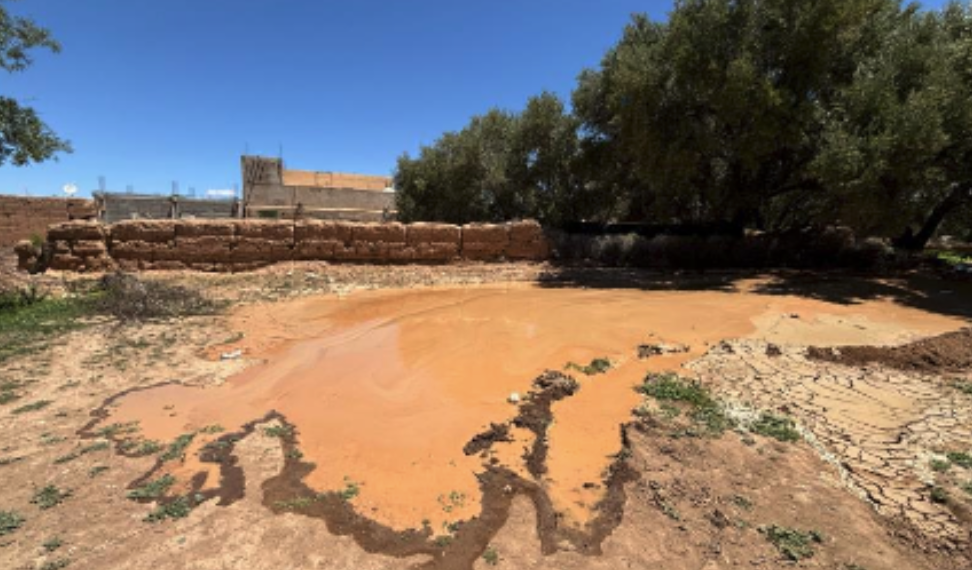
The importance of water infrastructure for urban health was underscored in our work on peripheral regions. Comparing urban Marrakech with rural settlements revealed stark inequalities in drinking water, irrigation, and wastewater across infrastructure, governance, cost, and health. Urban households generally accessed treated piped water, while rural households relied on springs, wells, canals, and stored untreated water in clay or plastic containers that were vulnerable to microbial contamination.
Laboratory evidence from nearby regions, triangulated with participants’ reports of stomach pain and skin irritation, reinforced the health implications of water quality and storage. Affordability and continuity were crucial: urban residents pay around 6–8 dirhams per m³, while rural households dependent on truck deliveries may spend 20–50 dirhams per m³, sometimes amounting to half of a typical monthly income. Damaged pipes, limited maintenance capacity, NGO dependence, and uneven subsidies between neighbouring villages have further compounded uncertainty in rural water access.
In conclusion, climate change is not a distant scenario; it is an ever-present challenge to urban health in Marrakech, experienced daily through heat, water, housing, and livelihoods. Communities in Marrakech and the High Atlas adapt under constraint, combining formal programs with informal solidarities and low-tech innovations. To move towards healthier, fairer, climate-resilient futures, urban territories must place care and equity (not just equality) at the center of adaptation.
Shade, privacy, water quality, and women’s agency are non-negotiable; green spaces must be treated as health infrastructure, and reconstruction funds must reach precarious households through transparent and fair co-management.
Urban health equity requires that the most vulnerable (including the elderly, women and children, people living with disabilities, peri-urban residents, and those most affected by the earthquake) remain central to policy and planning. The route to climate resilience and urban health runs through everyday life, created by the people who live it.