
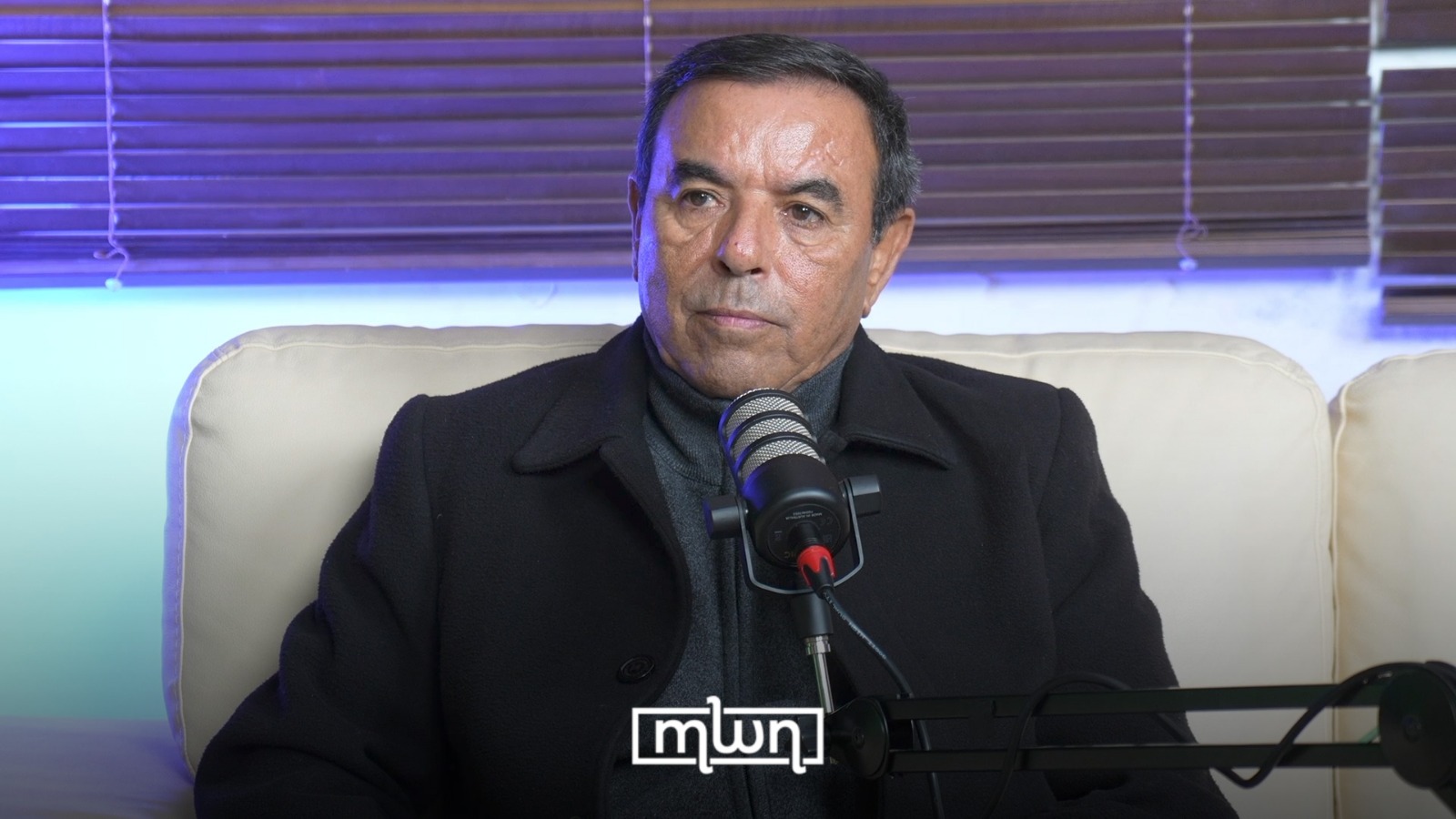
Agadir – As President of the National Interprofessional Federation of the Argan Sector (FIFARGANE), Mohamed Oussyade work revolves around the structure, challenges, and future of Morocco’s argan industry. In a recent interview on “Voice of Argan,” ANDZOA’s flagship podcast, Oussyade talked industry insights, with a focus on women’s participation, sustainability, and reform.
FIFARGANE is the body that represents the entire argan value chain in Morocco. It brings together groups involved in land rights, production, processing, and export. The federation is part of the national framework that manages 19 key agricultural value chains linked to food security.
Oussyade explains that the federation grew directly from the argan sector itself. Between 2010 and 2011, regional associations of rights holders were set up in the eight provinces where argan trees grow, across three regions.
These provinces include Essaouira, Agadir Ida-Outanane, Chtouka Ait Baha, Taroudant, Inezgane-Ait Melloul, Sidi Ifni, Tiznit, and Guelmim.
This means that the scope of their work is vast. “These regions represent more than one million people, over 75% of whom are women working directly in the argan sector,” Oussyade revealed.
The federation is structured around two main pillars:
- A national federation representing argan rights holders, composed of regional associations and more than 400 local branches;
- A federation of processors, exporters, cooperatives, and companies, representing over 170 professional actors in the sector.
Together, these bodies form FIFARGANE, which serves as the official representative of argan professionals before the Ministry of Agriculture, within the Directorate of Production Chains.
Leadership Change and Gender Reform
Oussyade, who became president in 2023, said the federation struggled after the COVID-19 period. “The sector experienced a slowdown, and the federation needed renewal,” he recalled.
One of the first changes under his leadership was gender parity. “We made it mandatory that women represent 50% of all governing bodies, including regional associations, national federations, and FIFARGANE’s executive and administrative councils,” he said, adding that in some cases women now make up 70%.
Another priority was rebuilding unity in the sector, which meant bringing back members who had stepped away and renewing the governance of both the rights-holders’ federation and the processors’ federation.
This restructuring allowed FIFARGANE to work under a single legal framework in line with national agricultural policy.
Oussyade also pointed to the support of the National Agency for the Development of Oasis Areas and the Argan Tree (ANDZOA), crediting the agency’s role in guiding the federation through training, regulation, and reform.
Climate Challenges and Protecting the Argan Tree
Drought has affected Morocco since 2018 and remains a major challenge. Oussyade noted that while drought is a natural phenomenon, human pressures such as urban expansion, overgrazing, and lack of awareness make the situation worse.
“The weakest link in this sector is the rural woman in mountainous areas,” he said. “She works hardest to collect the raw material but often receives the least benefit from added value.”
To respond, FIFARGANE signed a 2030 program contract with the Ministry of Agriculture. The plan includes:
- Planting 50,000 hectares of agricultural argan trees
- Rehabilitating 400,000 hectares of forest argan areas
- Strengthening health coverage and social protection
- Promoting solidarity-based economic models and international marketing
The program is being carried out alongside ANDZOA, regional agricultural directorates, and Water and Forest authorities.
A Vision of Unity and Sustainability
Looking ahead, Oussyade said unity is the federation’s main goal. “The argan sector is one of the most complex,” he said. “Our vision is to unify all actors without exclusion, for the benefit of Morocco as a whole.”
He described the argan tree as more than just an economic resource. “Argan is an ecosystem, a cultural heritage, and the livelihood of entire regions,” he said. “Protecting the tree means protecting the people who depend on it, especially women.”
Closing out the discussion, Oussyade expressed pride in Morocco’s path of development and confirmed the federation’s commitment to working with national strategies under the leadership of King Mohammed VI. “We are proud to serve this sector,” he concluded. “And we remain committed to building a sustainable, inclusive future for argan.”