
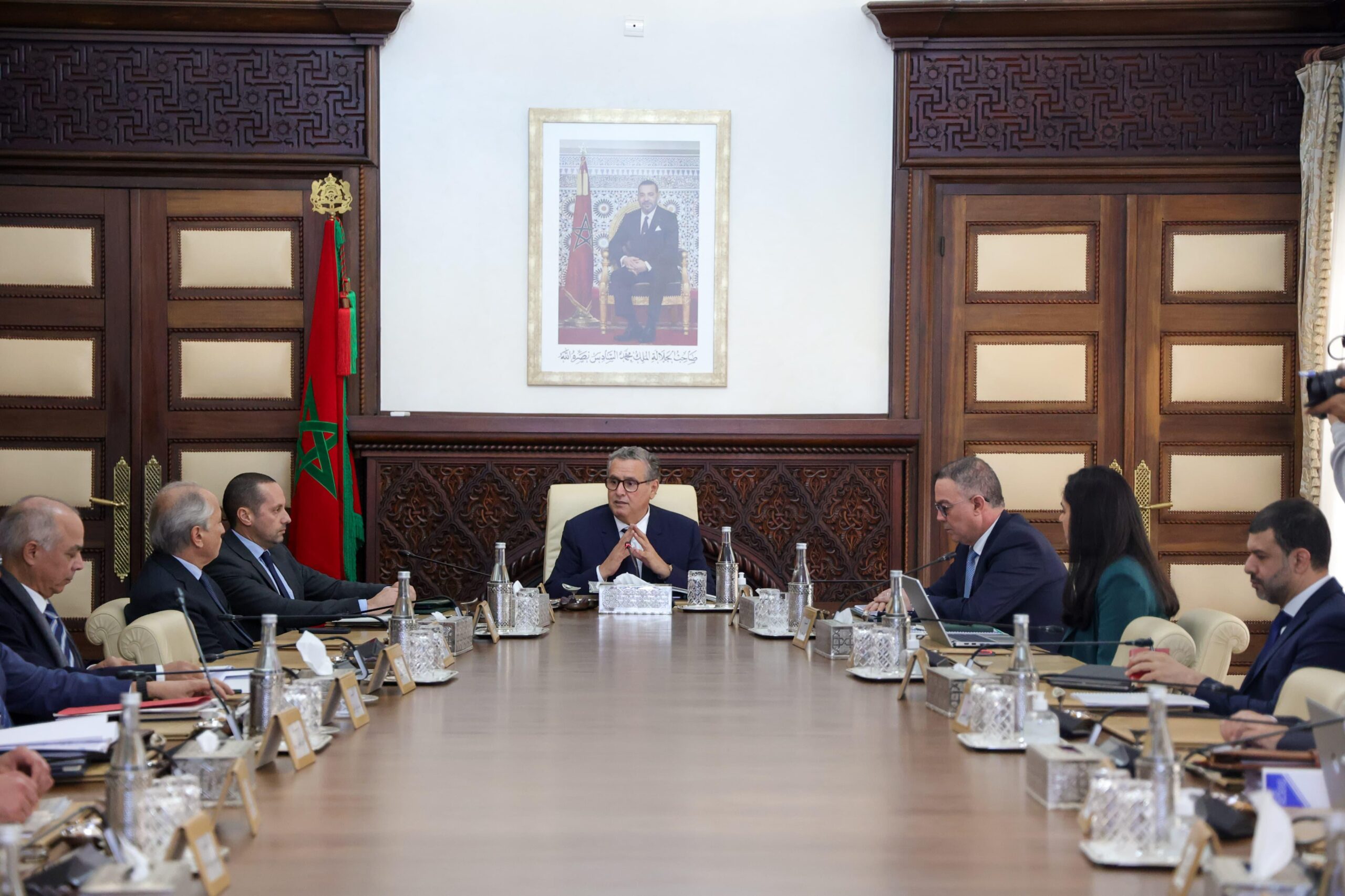
Rabat – Morocco’s social protection reform entered a new phase this week as Head of Government Aziz Akhannouch chaired a strategic board meeting of the National Agency for Social Support (ANSS) in Rabat.
The direction and credibility are at stake of one of the country’s most ambitious social programs in decades.
The board approved the agency’s 2026 action plan and reviewed progress achieved over the past year. Officials described the direct social assistance scheme as a pillar of the broader reform.
From patchwork aid to structured support
Akhannouch described the reform as a break with the past. For years, public assistance often relied on fragmented or short-term measures. The new system seeks to replace that model with clear eligibility criteria, digitalized data management and direct cash transfers tailored to household needs.
The government presents this shift as more than administrative reform. Officials argue that better targeting restores dignity to beneficiaries and strengthens public trust.
Millions of families affected
The scale of the program shows its political and social weight. Around 3.9 million families now receive direct assistance, which represents more than 12.5 million citizens nationwide. Among them are 5.5 million children, who qualify for support from birth until the age of 21, and 1.7 million seniors over 60.
Monthly payments range from MAD 500 to MAD 1,350, depending on household composition and vulnerability criteria. For many families, these transfers cover essential expenses such as food, schooling and healthcare.
During the meeting, the agency’s leadership also reviewed the extension of aid to orphaned and abandoned children placed in social welfare institutions.
Local presence and measurable results
The board examined the opening of a territorial branch in the province of El Jadida. The decision reflects a desire to anchor the program closer to communities and adapt support mechanisms to regional realities.
ANSS also introduced a performance monitoring system designed to assess the program’s real impact on poverty and vulnerability rates. Authorities insist that public policy must rely on measurable outcomes rather than political messaging.
Several cooperation agreements with ministerial departments and public institutions received approval as well. These partnerships focus on school retention, access to employment for vulnerable groups, stronger governance standards and secure electronic data exchange across administrations.
A reform under scrutiny
The success of Morocco’s social protection overhaul will depend on execution as much as ambition. The expansion of direct cash transfers has raised expectations among citizens who look for tangible improvements in daily life.
For the government, the challenge now lies in maintaining financial sustainability, administrative efficiency and public confidence. The coming year will test whether the reform can deliver not only broader coverage, but lasting social mobility.
As Morocco deepens its social transformation, the ANSS stands at the heart of a project that seeks to redefine the relationship between the state and its most vulnerable citizens.