
 Join on WhatsApp
 Join on Telegram
Rabat – Global energy markets have reacted sharply after fresh attacks targeted major gas and oil infrastructure in the Middle East, including Qatar’s key liquefied natural gas (LNG) facility.
Gas prices in the UK and Europe jumped about 25% in early trading today before easing slightly.
In Europe, the price of gas now exceeds twice the levels seen before the US-Israeli conflict with Iran escalated. In the UK, wholesale gas reached around 175p per therm.
Oil prices rose in parallel. Brent crude briefly topped $119 per barrel, up 10% from previous levels, before retreating slightly.
The surge followed an attack on Iran’s South Pars gas field, one of the world’s largest, on Wednesday evening.
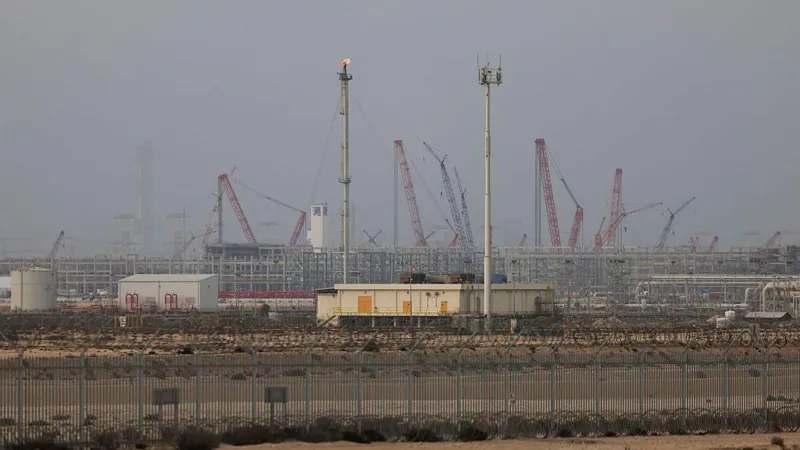
Iran retaliated by striking Ras Laffan, Qatar’s main LNG export hub, causing extensive damage and raising concerns over the stability of global energy supply.
Reports indicate the attack on Ras Laffan followed an Israeli strike on Iran’s petrochemical complex linked to South Pars.
Financial markets responded immediately: Japan’s Nikkei index closed down 3.4%, while London’s FTSE 100 fell 1.7% Thursday morning.
Iran’s military issued a warning of further retaliation, stating that attacks on its energy infrastructure would provoke strikes on the origin of aggression.
Qatar’s facilities, part of the North Dome gas field, had already halted production earlier this month due to rising regional tensions.
The US responded by temporarily suspending the Jones Act, allowing foreign ships to transport vital resources such as oil, gas, fertilizer, and coal between US ports.
Experts caution that the waiver may have limited effect on global energy prices, which are primarily driven by supply disruptions rather than shipping constraints.
Meanwhile, Iran has suspended gas exports to Iraq to secure domestic supply, according to a senior Iraqi official.
Data from the Gas Exporting Countries Forum shows that 94% of Iran’s gas is consumed domestically, leaving little room for export adjustments amid the crisis.
As tensions persist, analysts warn that energy markets may continue to experience sharp swings, with broader economic consequences for countries dependent on Middle Eastern oil and gas.